


Language
Chinese Liquid-Cooled Battery Energy Storage Brands
Oct 22, 2026
Liquid cooling is not a marketing detail on a BESS spec sheet — it is a specific engineering choice that keeps cell temperatures more consistent across a pack under sustained high-cycle use than air cooling can manage, which directly affects both cycle life and how safely a system performs in hot climates or under continuous industrial duty.
Where Liquid Cooling Applies Across MPMC's BESS Range
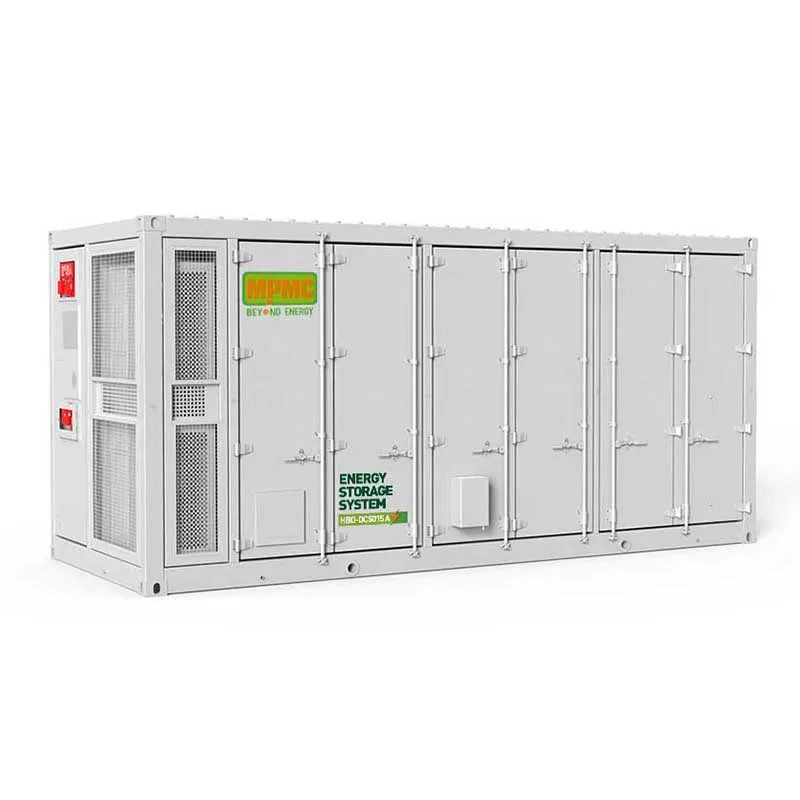
MPMC applies liquid cooling as standard across its entire HBD-A Series (125 kW-1,125 kW, 261 kWh-2,170 kWh), and extends the same LCAC (liquid-cooled active cooling) approach to its larger HBD-R mobile models — HBD-200-200, HBD-400-400, and HBD-610-610 — while smaller HBD-R models and the HBD-E small-hybrid range use HVAC air cooling, which is an adequate and more cost-effective choice at their lower power density. This tiered approach means a buyer gets liquid cooling specifically where the higher power density of a system makes it worthwhile, rather than paying for it on every model regardless of scale.
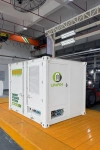
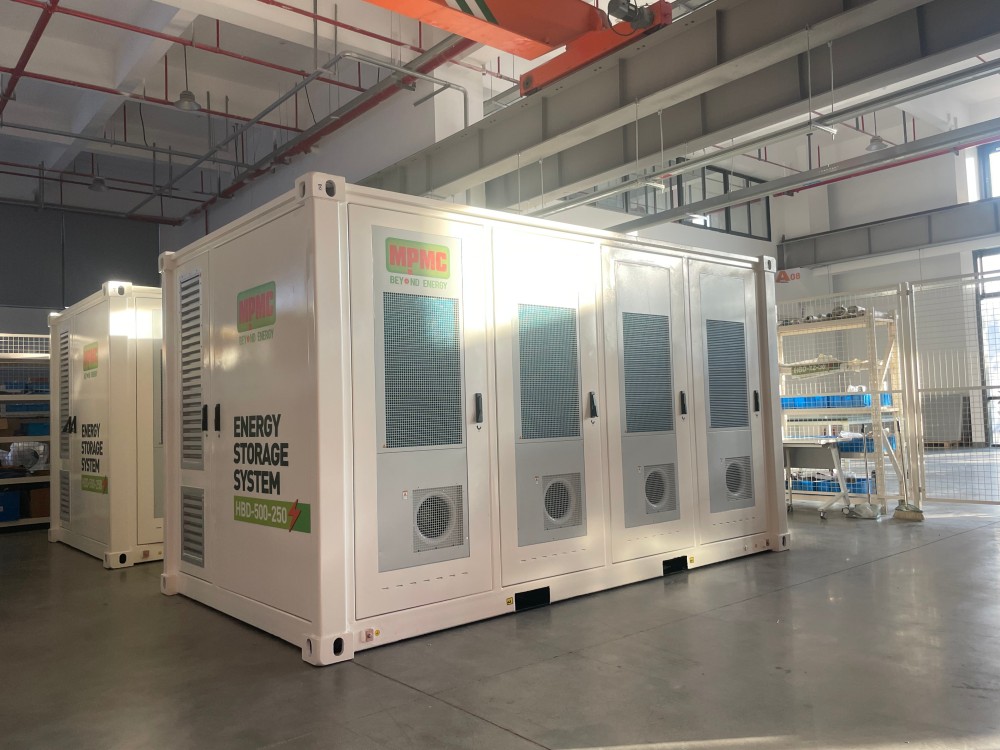 MPMC HBD-500-250 battery energy storage units, part of an integrated hybrid power system, illustrating the containerised liquid-cooled BESS platform underpinning MPMC's higher-power models.
| Series / Model Tier | Cooling Method | Cycle Life | Typical Application |
|---|---|---|---|
|
HBD-A (full range) |
Liquid cooling (all models) |
8,000 cycles @90% DOD |
Medium-large C&I grid-connected |
|
HBD-R (HBD-200-200 and larger) |
LCAC liquid cooling |
6,000 cycles @90% DOD |
Heavy-duty mobile/rental, high power density |
|
HBD-R (smaller models) |
HVAC air cooling |
6,000 cycles @90% DOD |
Lighter mobile/rental applications |
|
HBD-E (all models except HBD-125-260) |
HVAC air cooling |
6,000 cycles @90% DOD |
Small-scale C&I, self-consumption |
|
HBD-125-260 (HBD-E top model) |
HVLC cooling |
6,000 cycles @90% DOD |
Larger small-C&I installations |
Why the Cooling Method Matters for the Cycle-Life Figure Specifically
A cycle-life rating on a spec sheet assumes the manufacturer's stated cooling method is actually keeping the cells within their intended operating temperature band; a liquid-cooled system sustains that consistency more reliably under continuous or high-frequency cycling than an air-cooled system of comparable power density, which is precisely why MPMC applies liquid cooling to its highest-power, highest-cycling HBD-A and large HBD-R models rather than uniformly across the whole product range. A buyer should treat the cycle-life figure and the cooling method as a single combined data point rather than evaluating either one in isolation.
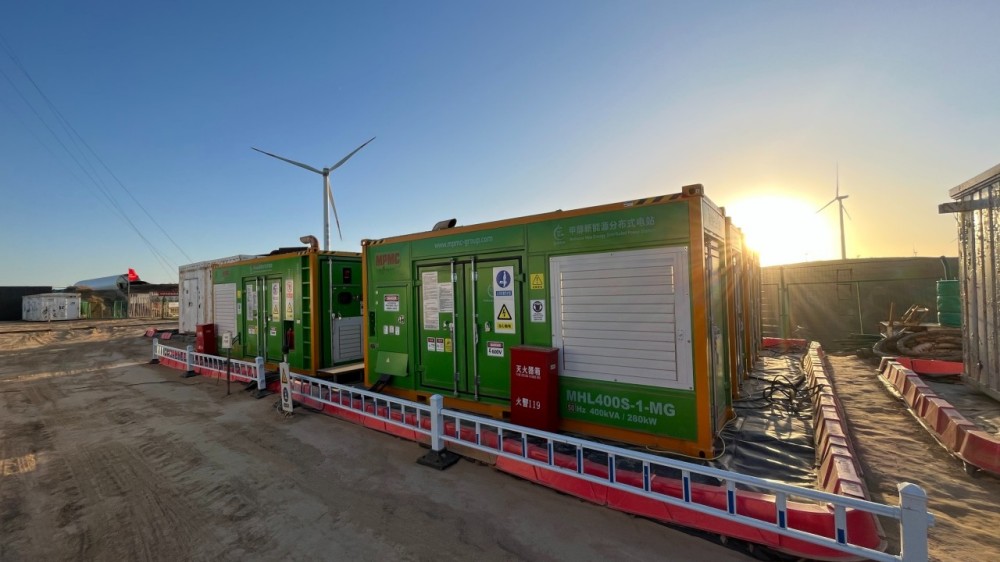 MPMC's methanol-storage hybrid integration system, illustrating an alternative-fuel generator paired with liquid-cooled battery energy storage as part of an integrated power solution.
What to Ask a Manufacturer Advertising a Liquid-Cooled BESS
Because "liquid-cooled" can be applied loosely in marketing material, a buyer should ask specifically which models in a manufacturer's range actually use liquid cooling versus air cooling, whether the stated cycle-life figure was tested under the liquid-cooled configuration specifically, and what the cooling system's own maintenance requirements are, since a liquid cooling loop introduces components (pumps, coolant, radiators) that need their own periodic servicing alongside the battery pack itself. It is also worth asking how the manufacturer handles cooling-loop failure detection, since a fault in the cooling system itself can otherwise go unnoticed until it has already affected cell temperature and performance.
Where MPMC Sits Against Other Chinese Liquid-Cooled BESS Brands
Among MPMC's identified domestic competitors, Singularity Energy and Alpha-ESS both offer LFP-based products, but MPMC's documented specification explicitly confirms liquid cooling across its full HBD-A range with a matching 8,000-cycle rating, giving a buyer a clearly stated technical basis for comparison rather than a general cooling claim. A buyer should request the same explicit model-by-model cooling breakdown from any competing Chinese supplier before assuming their entire range is liquid-cooled to the same standard, since some competitors publish a single headline cycle-life figure without specifying which cooling method it was actually measured under.
Questions to Ask About a Chinese BESS Brand's Liquid Cooling
• Confirm exactly which models in the range use liquid cooling versus air cooling
• Verify the cycle-life rating was tested under the liquid-cooled configuration specifically
• Ask about the cooling loop's own maintenance requirements and service intervals
• Confirm liquid cooling performance is documented for your specific climate's ambient temperature range
• Request a like-for-like comparison against a competing liquid-cooled product at the same power tier
• Ask whether IP-rated enclosure protection is specified alongside the cooling method
Recent Posts

October 26, 2016
The Most Successful Engineering Contractor



Contact US
Product Information
Quantity
Unit
Piece
Support order samples, customization, wholesale direct, and complete payment. If the product you look for does not have corresponding customized content, pls fill out the form below to contact us, and we will reply ASAP.