


Language
Rental-Ready Battery Energy Storage for Temporary Power Projects
Oct 15, 2026
A temporary power project — a construction site, a special event, an emergency grid-support assignment — needs battery storage engineered specifically for repeated deployment and redeployment, not a stationary product adapted after the fact for occasional mobility, and the technical distinction between the two shows up directly in operating cost and turnaround time between jobs.
MPMC's HBD-R Series: Built for Rental-Grade Duty
MPMC's HBD-R Series spans 30 kW to 610 kW continuous output and 61.44 kWh to 610.6 kWh of storage, rated for 6,000 cycles at 90% depth of discharge, and is specifically engineered with rental-grade durability in mind, with MPMC stating the series is designed for up to 50% lower operations-and-maintenance cost compared with equipment not purpose-built for repeated redeployment — a meaningful figure for a temporary-power operator whose equipment moves between sites far more frequently than a permanently installed system.
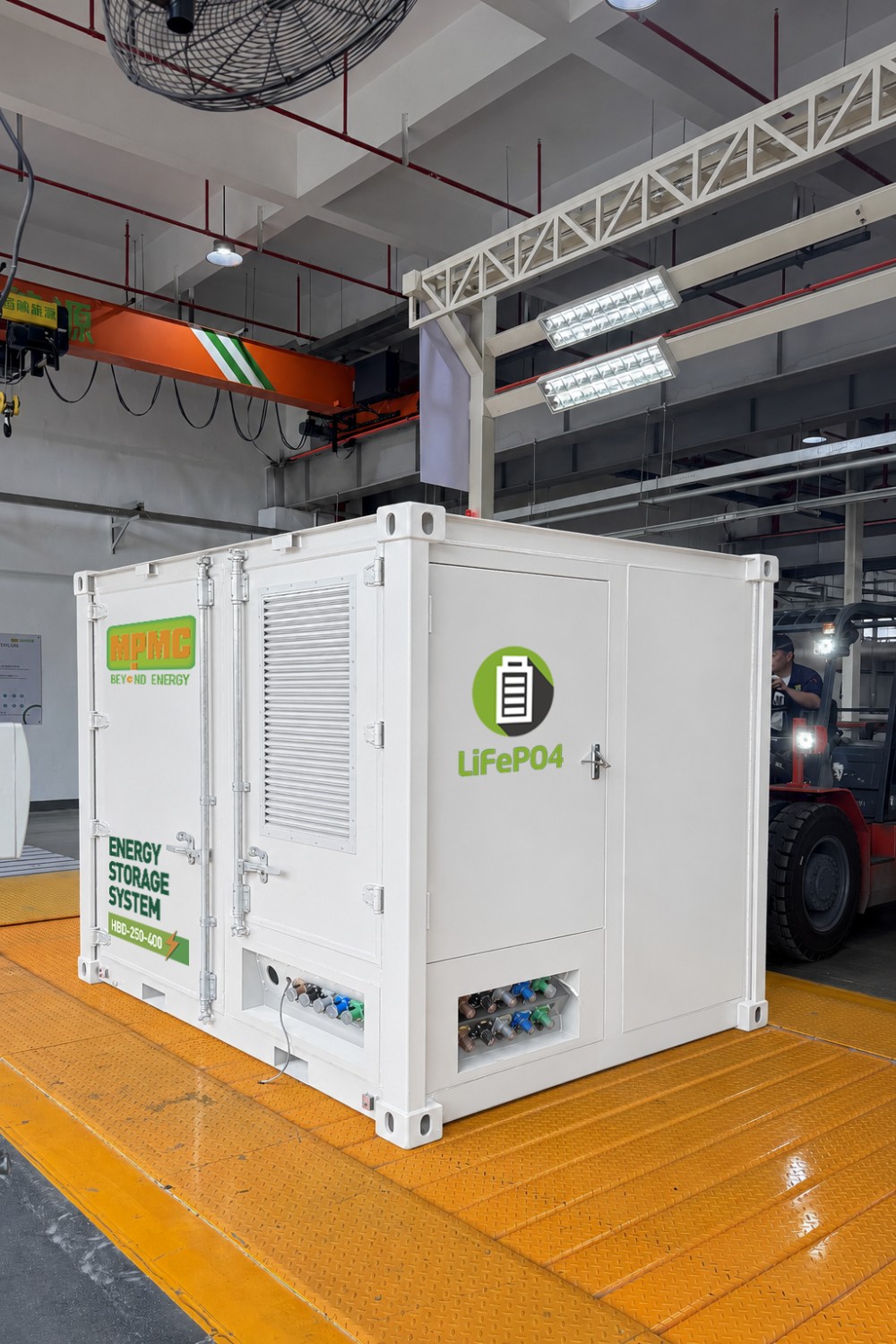 MPMC HBD-R Series Mobile BESS, engineered for rental-grade durability and repeated redeployment across temporary power projects.
| Technical Requirement | HBD-R Series Specification | Relevance to Temporary Power Projects |
|---|---|---|
|
Power range for varied project scale |
30 kW-610 kW continuous output |
Covers small event power through larger construction-site loads |
|
Storage capacity range |
61.44 kWh-610.6 kWh |
Matches duration needs from short events to multi-day assignments |
|
Cycle durability under repeated use |
6,000 cycles at 90% depth of discharge |
Withstands the frequent charge-discharge pattern of rotating rental jobs |
|
Lower cost of ownership across redeployments |
Up to 50% lower O&M cost versus non-rental-optimised equipment |
Directly improves rental margin over the equipment's working life |
|
Compatibility with existing site equipment |
Compatible with DSE, ComAp, DEIF, Woodward, Smartgen, and CAT EMCP controllers |
Integrates with generators and controls already on a temporary power site |
|
Certification for cross-border temporary deployments |
CE-certified design |
Simplifies use across European and CE-recognising project sites |
Why Third-Party Controller Compatibility Matters for Temporary Sites
A temporary power project frequently combines equipment from more than one manufacturer, since a construction site or event may already have generators running under DSE, ComAp, DEIF, Woodward, Smartgen, or CAT EMCP control systems in place before a battery storage unit is brought onto the site. The HBD-R Series' documented compatibility with all of these major controller brands means it can be integrated into an existing hybrid setup without replacing site equipment that already works, which is a specific technical advantage for a temporary deployment where minimising on-site changeover time is often as important as the storage unit's own specifications.
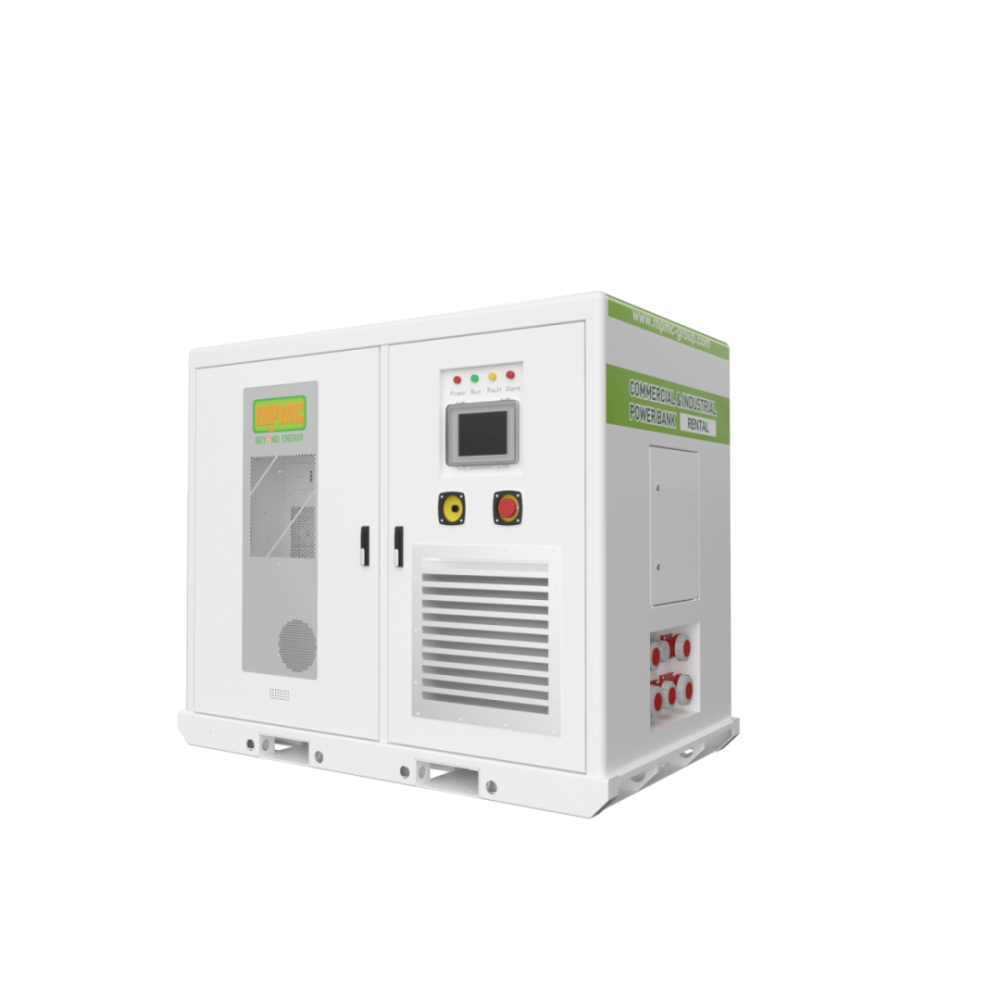 MPMC HBD-R Series mobile energy storage system, showing the compact rental-optimised configuration suited to temporary power and construction site deployments.
How This Differs From a General Rental-Channel Distribution Argument
Separately from the question of which distribution model a manufacturer uses to reach rental and leasing companies, the HBD-R Series' relevance to temporary power projects rests on its own engineering specifics — cycle life, O&M cost design, and third-party controller compatibility — rather than on how the equipment reaches the end operator. A temporary power project manager evaluating equipment directly should focus on these technical specifications first, and treat the sourcing or distribution arrangement as a separate, secondary consideration once the equipment itself is confirmed fit for purpose. This distinction matters because a project manager sourcing equipment directly from a manufacturer, rather than through a rental intermediary, needs to satisfy themselves on exactly these technical points without the benefit of a rental company's own vetting process standing between them and the equipment.
Where MPMC Sits Against Other Suppliers for Temporary Power Applications
Some storage products marketed as mobile are adaptations of a stationary design without specific rental-duty engineering, which can show up over time as higher maintenance costs or reduced cycle life under the more demanding usage pattern of a temporary-power rotation. MPMC's HBD-R Series is purpose-built with a stated O&M cost advantage and a cycle-life specification suited to repeated redeployment, giving a temporary power project a more specific technical basis for comparison than a general mobility claim. A project manager should ask any competing supplier whether their mobile storage product was purpose-engineered for rental duty or adapted from a stationary line.
Questions to Ask a Manufacturer About Rental-Ready BESS
• Confirm whether the product line was purpose-engineered for rental duty or adapted from a stationary design
• Request the documented cycle-life specification and how it compares under repeated redeployment
• Ask for O&M cost data specific to rental-grade repeated use, not a single fixed-site estimate
• Verify compatibility with the generator controller brands already in use on your temporary sites
• Confirm certification suits the specific countries or regions your temporary projects operate in
• Ask about typical turnaround time and servicing requirements between one project and the next
Recent Posts

October 26, 2016
The Most Successful Engineering Contractor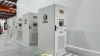



Contact US
Product Information
Quantity
Unit
Piece
Support order samples, customization, wholesale direct, and complete payment. If the product you look for does not have corresponding customized content, pls fill out the form below to contact us, and we will reply ASAP.