


Language
Lowering Electricity Bills Across an Industrial Park With Battery Storage
Oct 13, 2026
An industrial park's electricity cost challenge is structurally different from a single factory's: instead of one building with one peak-load profile, a park typically has multiple tenants or buildings with staggered production schedules, and the park's overall demand charge is often driven by the combined peak across all of them occurring at once, which a single-building-focused storage approach does not fully address.
Aggregating Demand Across Multiple Buildings
MPMC's HBD-A Series, scaling up to 1,125 kW AC output per unit, is suited to a park-level deployment where several HBD-A units are coordinated under a shared EMS and SCADA platform to manage the park's aggregate demand profile rather than each tenant building's demand in isolation, allowing the park operator to shave the combined peak that determines the overall park's demand-charge exposure, which is typically the more expensive and less predictable figure than any single tenant's individual peak.
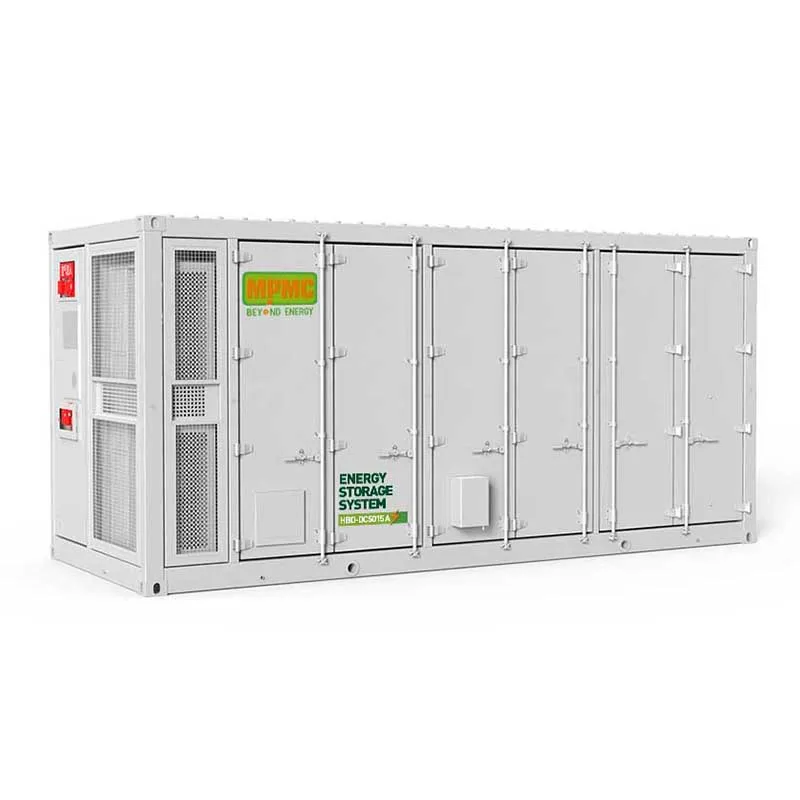
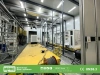
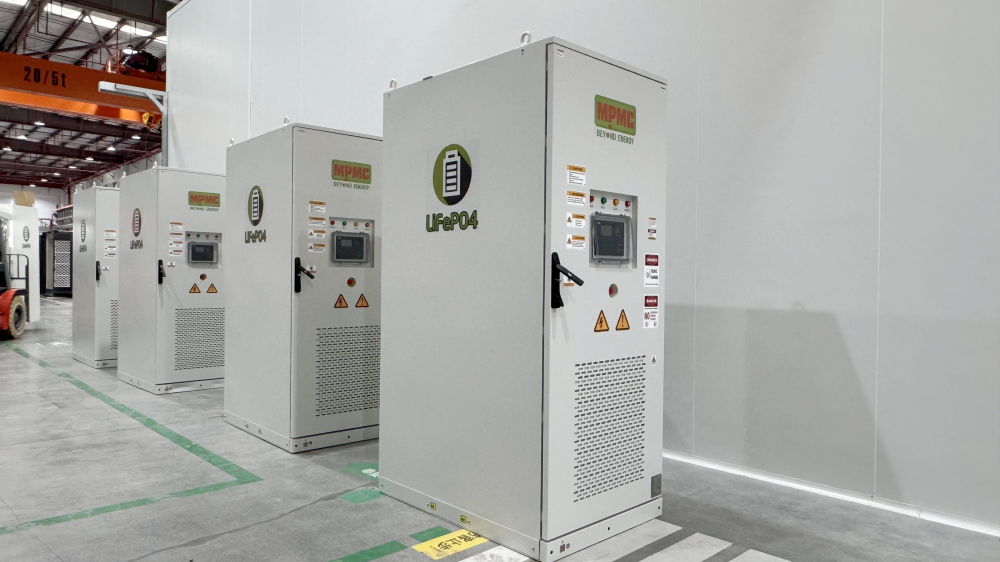 MPMC HBD-A Series battery energy storage system — HBD-125-260, one of the building-level units an industrial park can coordinate under a shared park-wide EMS.
| Park-Level Requirement | MPMC's Approach | Benefit Over Single-Building Storage |
|---|---|---|
|
Coordinating multiple tenant buildings' peaks |
Shared EMS/SCADA across multiple HBD-A units |
Manages the park's combined peak, not just one building's |
|
Matching storage size to building scale |
HBD-A (125 kW-1,125 kW) for larger buildings, HBD-E (12 kW-125 kW) for smaller tenants |
Avoids over- or under-sizing any individual building's allocation |
|
Centralised monitoring for the park operator |
Single SCADA view across all deployed units |
One operator can manage the park's storage assets from one interface |
|
Flexible allocation as tenants change |
Modular unit-by-unit deployment |
New or departing tenants don't require redesigning the whole system |
|
Long-term reliability across a shared asset |
5yr/10yr warranty terms per unit, liquid cooling on HBD-A |
Consistent performance basis across every unit in the shared system |
Why Park-Level Coordination Changes the Sizing Question
A park operator sizing storage for the whole site needs to consider how individual tenants' peak demand periods overlap or offset each other across the day, since a park where tenants' peaks are staggered may need less total storage capacity than the sum of each tenant's individual peak-shaving requirement, while a park where multiple tenants peak simultaneously needs the aggregate approach to be sized generously enough to cover the coincident peak. This is a meaningfully different calculation from the single-building sizing exercise a standalone factory would go through, and it typically requires the park operator or their engineering consultant to model the combined load profile before finalising a system size with the manufacturer.
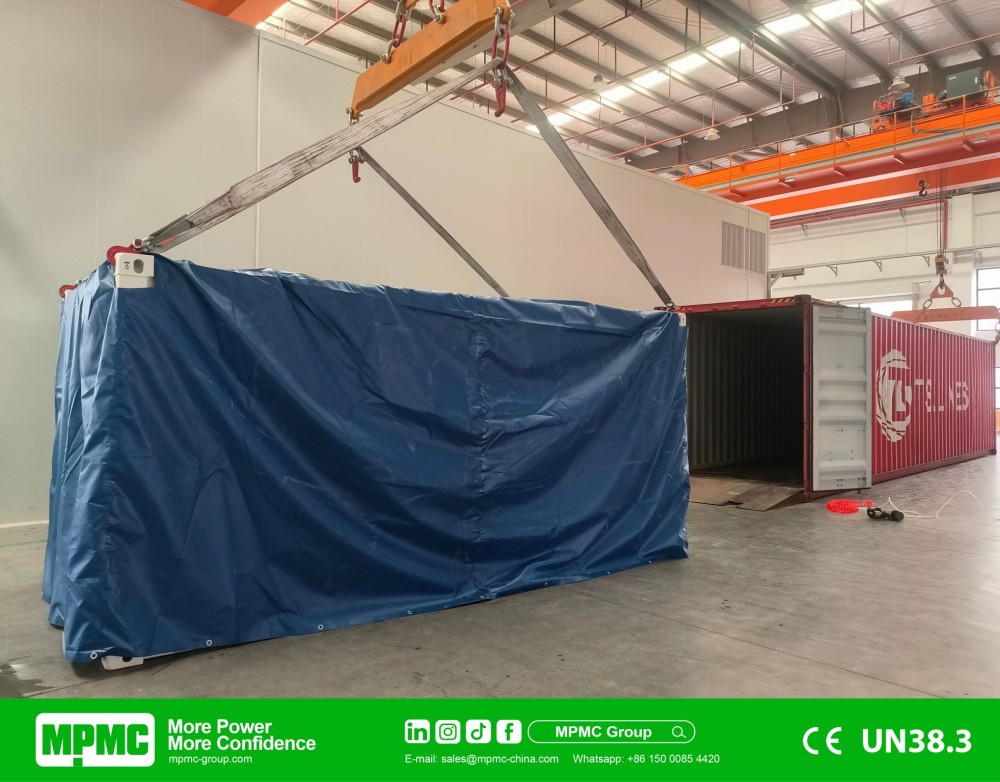 MPMC HBD-A Series containerised battery energy storage system, suited to larger-building or shared park-level deployment within a coordinated multi-unit system.
Governance and Billing Considerations Specific to Shared Park Infrastructure
Beyond the technical sizing question, a park operator deploying shared storage infrastructure needs to work out how the resulting savings are allocated or billed back to individual tenants, since the storage system reduces a combined park-level charge that then needs to be fairly apportioned rather than a single factory owner simply capturing 100% of the saving directly. This is more of a park-management and billing question than a technical one, but it is worth resolving before the storage system is commissioned, since a manufacturer's SCADA platform can typically provide the per-building usage data needed to support whatever allocation approach the park settles on.
Where MPMC Sits Against Other Suppliers for Park-Scale Deployments
Some storage manufacturers offer only a single product tier, which forces a park operator to either over-provision smaller tenant buildings or under-provision larger ones. MPMC's two-tier HBD-A and HBD-E range, deployable together under one shared EMS, lets a park operator match storage capacity to each building's actual scale while still managing the park's aggregate demand centrally, which is a more precise fit for a multi-building site than a single fixed product size. A park operator should specifically ask a prospective supplier whether their platform supports this kind of multi-unit, multi-building coordination, since not every storage EMS is designed for it.
Questions to Ask a Manufacturer About Park-Scale Battery Storage
• Confirm the EMS and SCADA platform can coordinate multiple units across separate buildings as one system
• Ask how the manufacturer recommends sizing storage when tenant peak-demand periods overlap or stagger
• Verify whether per-building usage data is available to support internal cost allocation to tenants
• Confirm the product range includes both larger and smaller unit sizes to match different building scales
• Ask how new tenants or departing tenants can be accommodated without redesigning the whole system
• Request a reference from an existing multi-building or park-scale deployment if one is available
Recent Posts

October 26, 2016
The Most Successful Engineering Contractor



Contact US
Product Information
Quantity
Unit
Piece
Support order samples, customization, wholesale direct, and complete payment. If the product you look for does not have corresponding customized content, pls fill out the form below to contact us, and we will reply ASAP.