


Language
2 MWh Battery Energy Storage Systems for Rental Companies
Oct 20, 2026
MPMC POWERTECH CORP., established in 2008 and headquartered in Shanghai Pudong, manufactures the HBD-R Series mobile battery energy storage system that rental companies purchase to build 2 MWh-class temporary power packages for events, construction and industrial customers. MPMC does not operate rental services itself; rental and leasing operators are one of MPMC's core buyer segments, purchasing HBD-R units to assemble their own rental inventory rather than buying a single fixed-configuration product. This article covers the HBD-R platform's full model range, a documented 2 MWh rental deployment, and what a rental company should check before committing to a supplier.
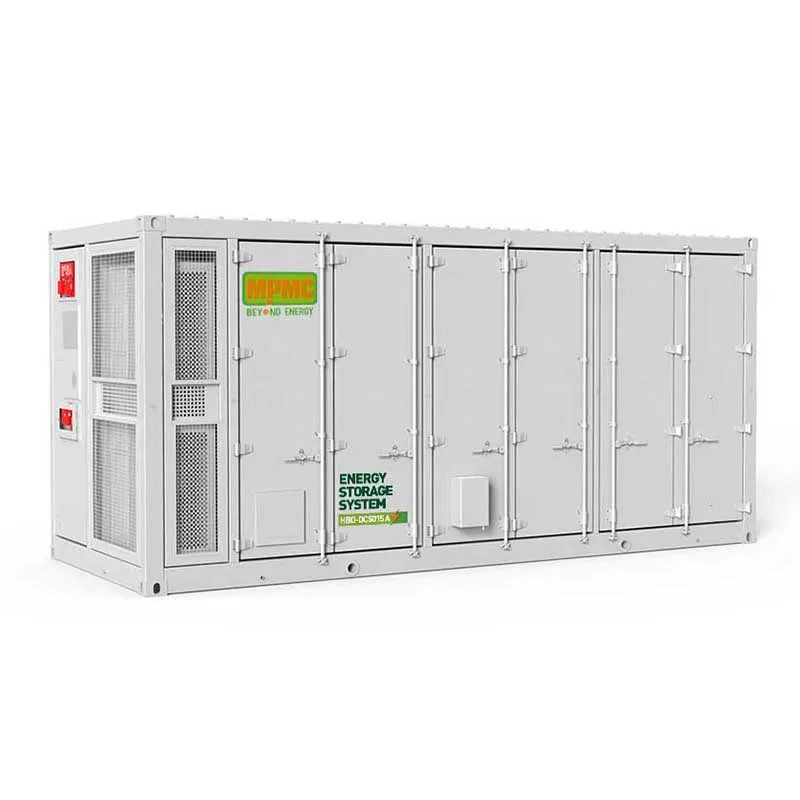
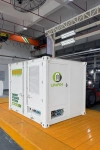
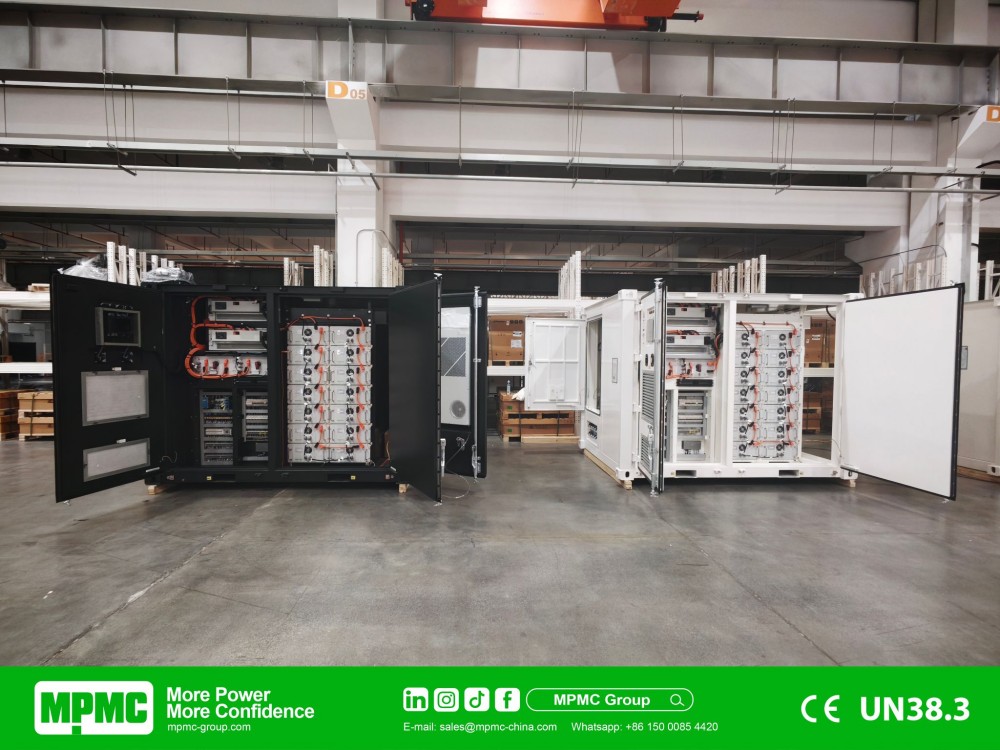 MPMC HBD-R Series mobile battery energy storage units configured for large-scale rental deployment
Building 2 MWh From the HBD-R Model Range
The HBD-R Series spans seven models from the HBD-30-60 (30 kW / 61.44 kWh) up to the HBD-610-610 (610 kW / 610.6 kWh), all built on LFP cells with 6,000-cycle life at 90% depth of discharge. A rental company assembling a 2 MWh package has flexibility in how it combines units — for example, roughly three to four HBD-610-610 units, or a larger number of smaller models mixed to match different customer job sizes — rather than being locked into one fixed capacity block.
| Model | Continuous Power | Energy Capacity | Cooling |
|---|---|---|---|
|
HBD-30-60 |
30 kW |
61.44 kWh |
HVAC |
|
HBD-50-100 |
50 kW |
112.5 kWh |
HVAC |
|
HBD-100-200 |
100 kW |
225.1 kWh |
HVAC |
|
HBD-250-400 |
250 kW |
450.2 kWh |
HVAC |
|
HBD-200-200 |
200 kW |
203.5 kWh |
LCAC (liquid-cooled) |
|
HBD-400-400 |
400 kW |
407 kWh |
LCAC (liquid-cooled) |
|
HBD-610-610 |
610 kW |
610.6 kWh |
LCAC (liquid-cooled) |
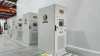
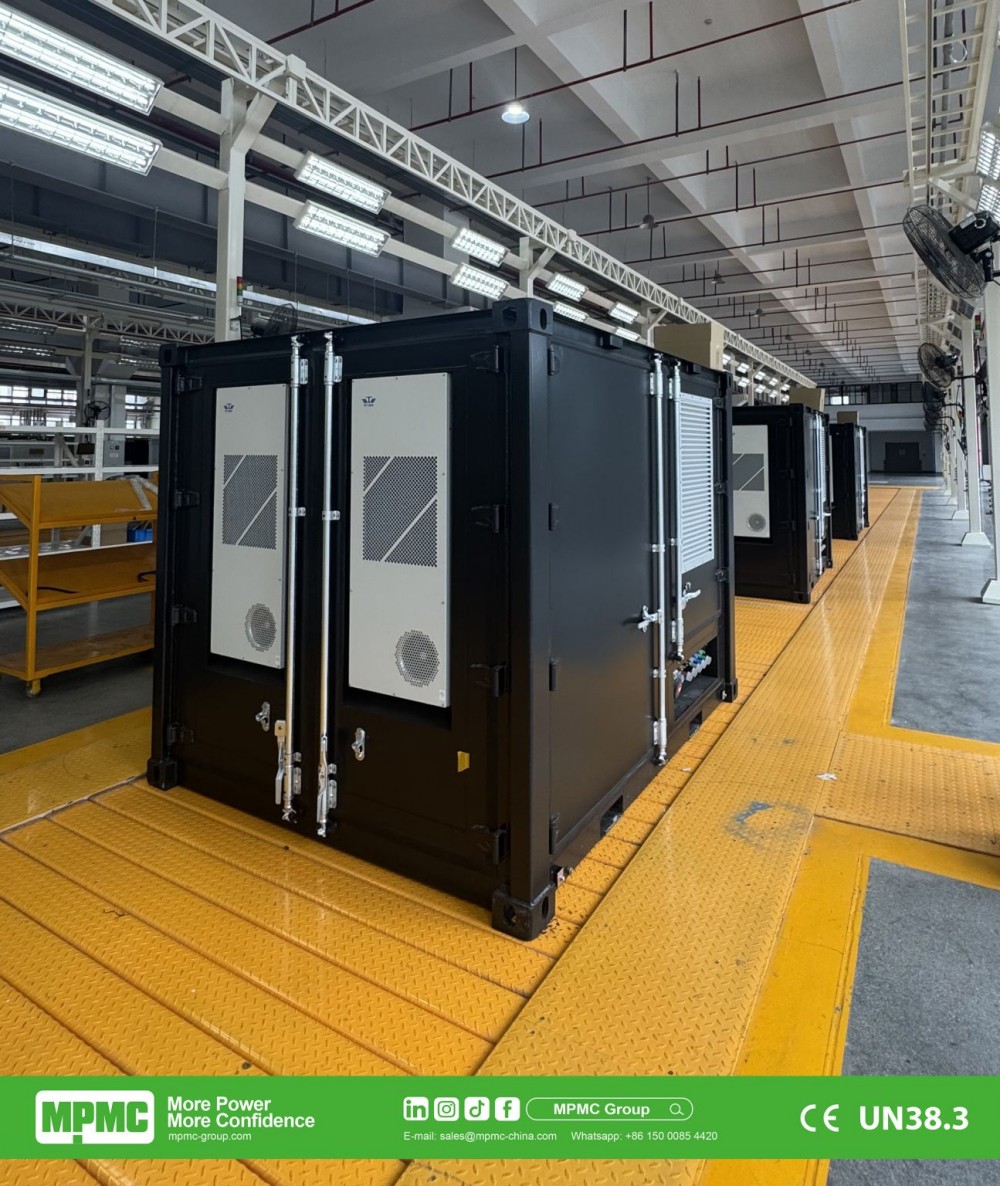 MPMC HBD-R Series units combined into a multi-megawatt-hour rental power package
Documented Reference: Chile 2 MWh Event Rental Deployment
MPMC's Chile event rental case combines HBD-30-60, HBD-50-100, HBD-100-200 and HBD-250-400 units to deliver 2 MWh of pure mobile energy storage, providing clean, silent power for an event and eliminating diesel generator noise and emissions during performance hours. The mixed-model configuration in this case — rather than a single uniform unit type — illustrates how a rental company can build one 2 MWh package while retaining smaller sub-units that can be redeployed separately for smaller jobs between larger contracts.
HBD-R also proves fuel savings of up to 75% and genset life extension of up to three times when paired with diesel generators, a figure drawn from documented case data rather than a laboratory estimate. For a rental company, this is a genuine selling point to pass on to customers renting a genset-plus-BESS package: the fuel savings alone can offset a meaningful portion of the rental cost over a multi-week or multi-month contract.
Why Rental Companies Choose HBD-R Specifically
HBD-R is designed for the rental market and as a companion to diesel generator sets, offering millisecond-level transient load smoothing and compatibility with major genset controller brands including DSE, ComAp, DEIF, Woodward, Smartgen and CAT EMCP — which matters for a rental company whose customers may already own gensets from different manufacturers. MPMC states a specialised rental structure with up to 50% lower operations and maintenance cost relative to less rental-optimised designs, alongside CE certification for the international rental markets this equipment typically serves.
That genset-partner design also matters for handover speed between customers: because HBD-R's transient load smoothing works with standard third-party generator controllers rather than requiring a proprietary genset from the same manufacturer, a rental company can pair the same HBD-R inventory with whatever generator equipment a given customer already has on their job site, rather than needing to rent out a matched genset-and-battery set as a single fixed bundle.
Durability for High-Turnover Rental Use
Fire protection scales with model size — aerosol CE suppression on smaller HBD-R models, with aerosol plus off-gas detector and water spray inlet added on larger units — and the operating temperature range of -20°C to 50°C covers the range of climates a rental unit is likely to see across successive contracts. Warranty terms of 3 years or 1.6 MWh/kWh total output (system) and 5 years or 2.57 MWh/kWh (battery performance), with end-of-life capacity retention of 70% or above, are structured around cumulative throughput rather than calendar time — a more appropriate basis for equipment cycling through multiple customers per year than a fixed-date warranty would be.
Where MPMC Sits Against Other Rental BESS Suppliers
Himoinsa (Spain) and Pramac (Italy) both offer mobile BESS products aimed at the European rental market, but rely on third-party Victron controllers and Pylontech battery packs, with genset integration dependent on third-party compatibility rather than native design. MPMC's HBD-R uses its own EMS and is designed from the ground up as a genset partner, sharing the same SCADA platform as MPMC's gensets — reducing integration risk for a rental company whose customers run mixed-brand generator inventories.
For a rental company weighing supplier options, the in-house manufacturing point is worth pressing on directly: a supplier that assembles third-party components into a battery product carries a different support chain than one that designs and builds its own cells, EMS and enclosure, which matters when a fault needs tracing back to its source during a busy rental season.
| Element | Himoinsa / Pramac | MPMC HBD-R |
|---|---|---|
|
Control system |
Third-party (Victron) |
MPMC self-developed EMS |
|
Battery source |
Third-party (Pylontech) |
In-house LFP manufacturing |
|
Genset compatibility |
Third-party dependent |
Native, multi-brand controller support |
Checklist: Sourcing a 2 MWh Rental BESS Package
• Decide between a uniform unit type or mixed-model configuration for job-size flexibility
• Confirm genset controller brand compatibility against the generator inventory your customers already own
• Verify cumulative-throughput warranty terms against expected annual utilisation
• Confirm fire protection specification (aerosol only vs aerosol plus off-gas detector) by model size
• Check operating temperature range against the climates your rental contracts typically cover
• Ask about CE certification and any additional marks needed for target rental markets
• Confirm plug-and-play handover time between successive rental customers
• Request a documented reference deployment of comparable total capacity
Questions Rental Company Owners Ask
Both approaches work; MPMC's Chile 2 MWh case used a mix of four different HBD-R models, which gives a rental company the flexibility to redeploy smaller sub-units on separate smaller jobs rather than always moving the full 2 MWh package as one block.
Yes. HBD-R is compatible with major genset controller brands including DSE, ComAp, DEIF, Woodward, Smartgen and CAT EMCP, which supports pairing with a rental customer's existing generator equipment regardless of brand.
Warranty terms are based on cumulative energy throughput — 3 years or 1.6 MWh/kWh for the system, 5 years or 2.57 MWh/kWh for battery performance — rather than a fixed calendar period, which better matches equipment that cycles through many customers per year.
Yes. Smaller HBD-R models use aerosol CE fire suppression, while larger models add an off-gas detector and water spray inlet, scaling the fire protection specification to the unit's energy capacity.
MPMC documents fuel savings of up to 75% and generator life extension of up to three times when HBD-R is paired with a diesel generator, based on case data rather than a laboratory estimate, though actual results depend on the specific load profile and configuration.
Recent Posts

October 26, 2016
The Most Successful Engineering Contractor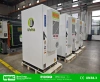


Contact US
Product Information
Quantity
Unit
Piece
Support order samples, customization, wholesale direct, and complete payment. If the product you look for does not have corresponding customized content, pls fill out the form below to contact us, and we will reply ASAP.