


Language
Sizing Battery Storage Correctly for a Medium-Sized Factory
Oct 16, 2026
A medium-sized factory sits at an awkward point between two product categories: too large for the smallest entry-level storage systems designed for a single production line, but not yet operating at the multi-megawatt-hour scale that justifies a full industrial-grade grid-connected system. Choosing correctly at this middle scale is where a factory buyer most often either overpays for unused capacity or undersizes and limits future flexibility.
Two Ways to Reach Medium Scale With MPMC's Range
MPMC offers a medium-sized factory two distinct paths to the same practical outcome: deploying multiple HBD-E units together — MPMC's own documented four-unit HBD-50-100 configuration provides roughly 200 kW and 400 kWh combined — to stay within the simpler, lower-cost HBD-E product family, or stepping up to an entry-level HBD-A unit (starting at 125 kW, 261 kWh) if the factory's load profile calls for the HBD-A's liquid cooling and higher 8,000-cycle rating. Which path suits a given factory depends on its specific peak load and cycling frequency, not simply its size in isolation.
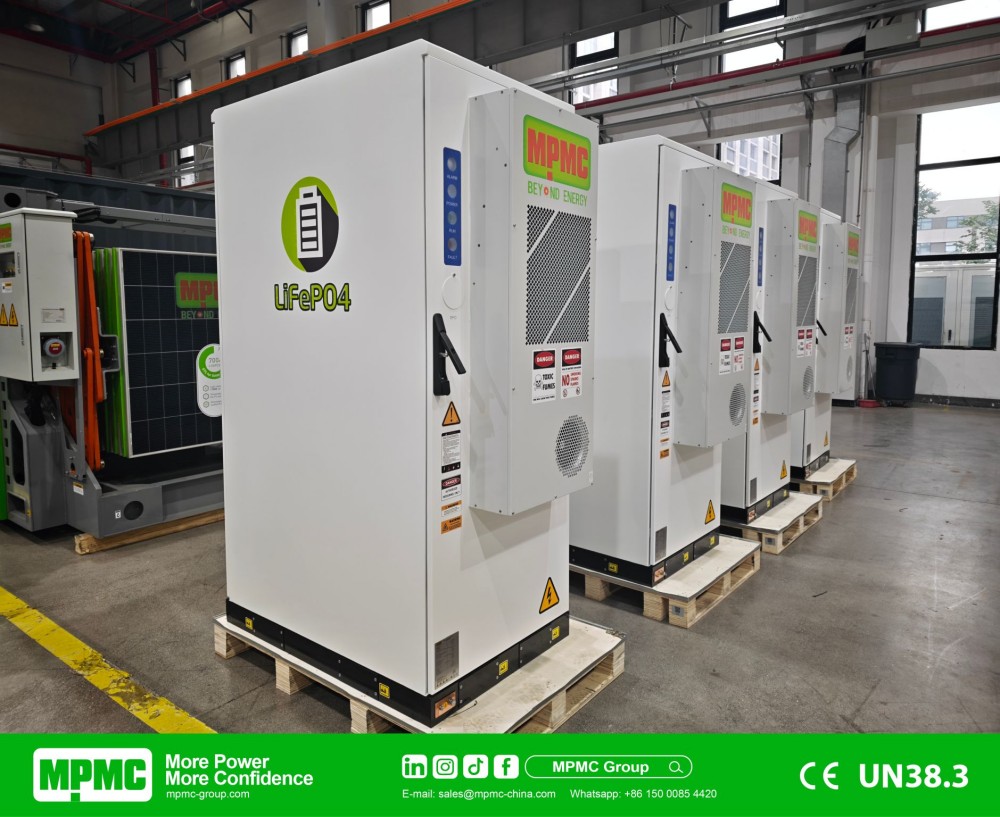 MPMC HBD-E Series battery energy storage system, one of four units in a documented multi-unit configuration providing medium-scale capacity for a factory-sized load.
| Consideration | Multiple HBD-E Units | Single Entry-Level HBD-A Unit |
|---|---|---|
|
Typical combined capacity |
~200 kW / ~400 kWh (four HBD-50-100 units) |
From 125 kW / 261 kWh in one containerised unit |
|
Cooling method |
HVAC (air), HVLC on HBD-125-260 |
Liquid cooling across the full range |
|
Cycle-life rating |
6,000 cycles @90% DOD |
8,000 cycles @90% DOD |
|
Physical footprint |
Multiple smaller cabinets |
One containerised unit |
|
Best suited to |
Factories with lower daily cycling frequency |
Factories with heavier, more frequent daily cycling |
Why This Decision Should Be Based on Load Profile, Not Just Factory Size
A medium-sized factory operating a single moderate shift pattern with predictable, infrequent peaks may be well served by multiple HBD-E units at a lower unit cost, while a medium-sized factory running near-continuous operations with frequent charge-discharge cycling will get more value from the HBD-A's higher cycle-life rating and liquid cooling, even at a somewhat higher upfront cost per kWh. A factory buyer should ask a prospective supplier to model both options against their actual daily load curve rather than defaulting to whichever product a sales conversation happens to lead with.
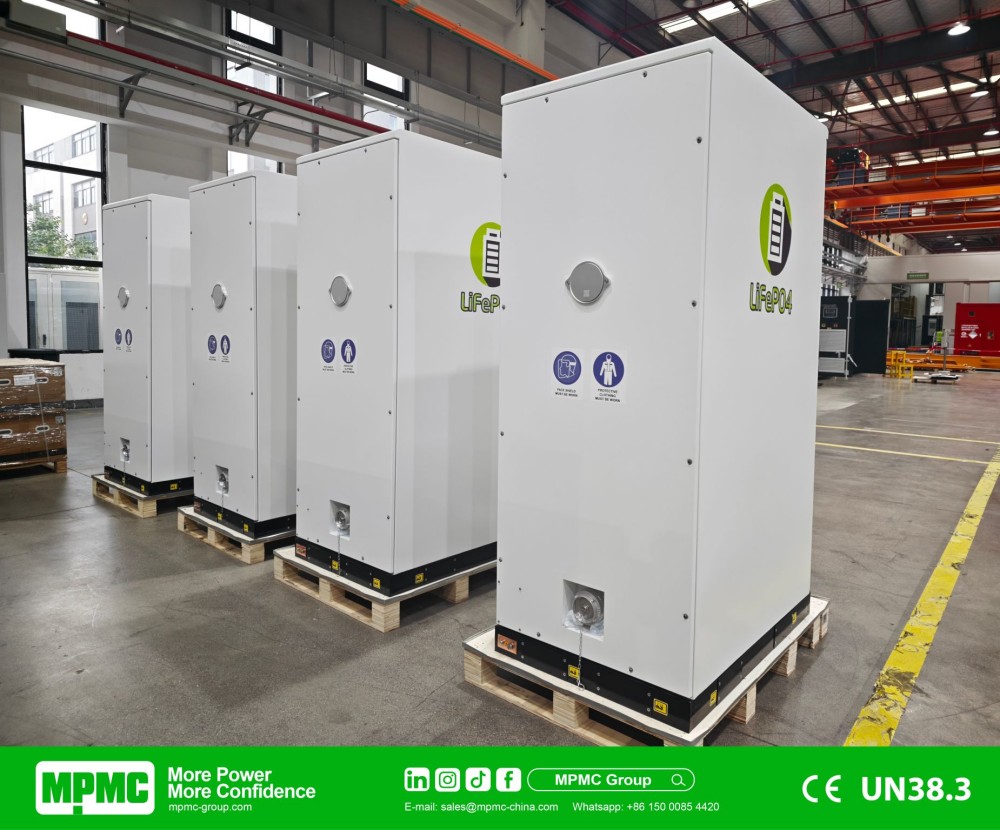 MPMC HBD-E Series battery energy storage system, illustrating the multi-unit HBD-E configuration MPMC has documented for factory-scale energy needs.
The Domestic Competitor Most Relevant at This Scale
Weiheng Tech (Jiangsu, China) is a domestic BESS provider MPMC has identified as operating in this general market, though with limited documented international presence — a useful contrast for a medium-sized factory buyer weighing a domestically focused supplier against MPMC's combination of a two-tier product range and a documented export track record spanning multiple international markets. A factory that may eventually export its own products or seek international financing should weigh a supplier's own international credibility as part of this decision, since a lender or overseas customer may independently ask about the provenance and certification of key production equipment.
Where MPMC Sits for Medium-Sized Factory Buyers
Rather than forcing a medium-sized factory into either an oversized industrial system or an undersized small-C&I product, MPMC's ability to configure either a multi-unit HBD-E deployment or an entry-level HBD-A unit — evaluated against the factory's actual load profile — gives a medium-scale buyer a genuine choice rather than a single default answer. A factory buyer should ask any competing supplier whether they can offer this same kind of load-profile-based comparison, or whether their product range only comfortably serves one end of the medium-factory scale.
Questions to Ask When Sizing Storage for a Medium-Sized Factory
• Request a comparison of both a multi-unit smaller-product configuration and a single larger-unit configuration
• Provide your actual daily load and cycling profile rather than only your factory's overall size
• Confirm the cycle-life rating and cooling method suit your expected cycling frequency
• Ask about physical footprint and installation requirements for each configuration option
• Verify the supplier's documented export or international project history if relevant to your business
• Confirm warranty terms are equivalent across whichever configuration you choose
Recent Posts

October 26, 2016
The Most Successful Engineering Contractor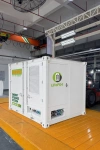




Contact US
Product Information
Quantity
Unit
Piece
Support order samples, customization, wholesale direct, and complete payment. If the product you look for does not have corresponding customized content, pls fill out the form below to contact us, and we will reply ASAP.