



Language
Battery Energy Storage Systems With Remote Energy Management Capabilities
Nov 09, 2026
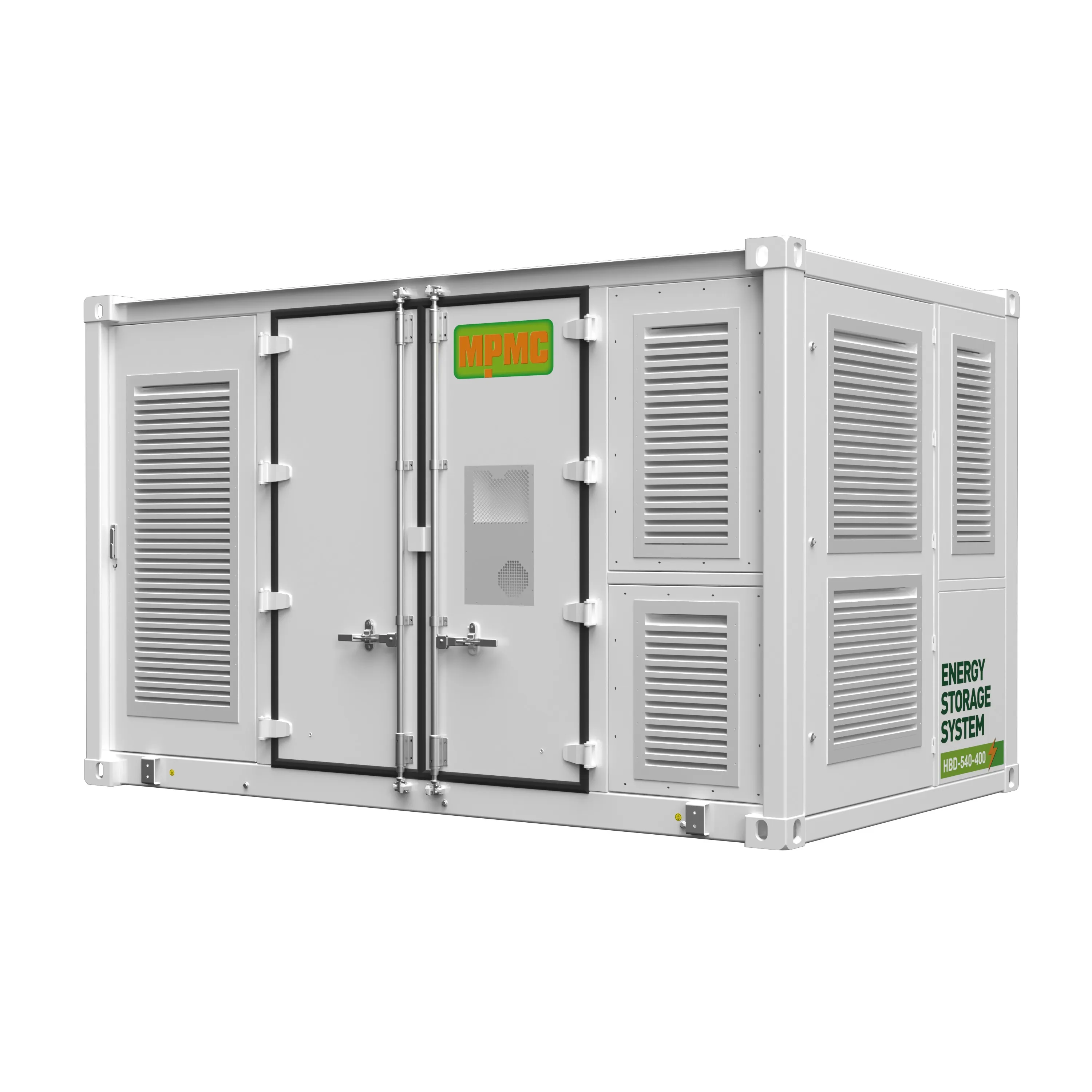
MPMC POWERTECH CORP., established in 2008 and headquartered in Shanghai Pudong, builds its HBD Series battery energy storage systems around a self-developed EMS and SCADA platform, so remote energy management is a built-in capability rather than an add-on integration. For a buyer comparing BESS suppliers specifically on this dimension, the practical questions are what the platform actually monitors and controls remotely, which communication channels it depends on, and how it behaves when a site has limited or no on-site staff. This article works through each of those points.
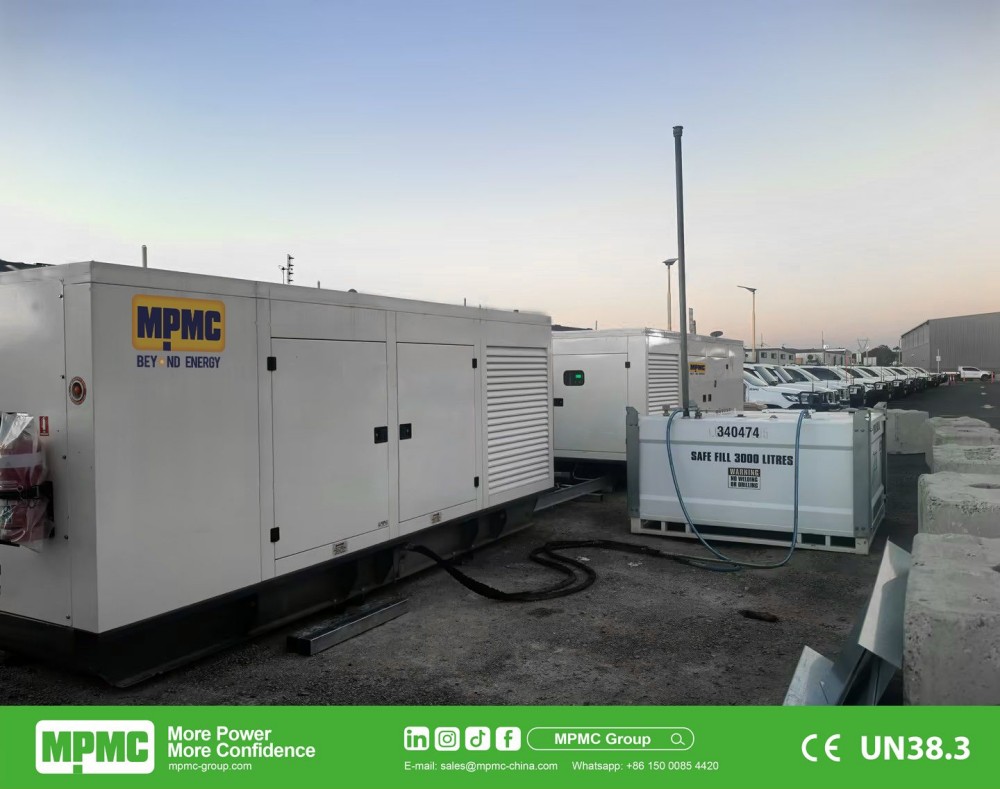 MPMC HBD-A Series battery energy storage units configured with remote energy management
What MPMC's EMS and SCADA Actually Manage
MPMC's self-developed EMS dynamically optimises the energy mix using multi-source data and weather forecasting where solar is present, with core objectives of maximising generation efficiency, minimising diesel runtime, and maximising storage response flexibility. The EMS interfaces with SCADA for automated dispatch, real-time monitoring, alarm management and remote control, accessible via APP or web interface over 4G, 5G or WiFi — covering the operational decisions a site manager would otherwise have to make in person. In practice this means charge and discharge scheduling, state-of-charge monitoring, fault alarms and load demand response are all visible and adjustable from a single interface, rather than requiring a technician to inspect physical displays on each unit.
This distinction between remote visibility and remote control is worth spelling out, because some competing platforms offer only the former. A dashboard that shows state of charge and fault codes is useful for reporting, but a platform that also lets an operator change control modes, adjust dispatch priorities or issue a restart command from the same interface removes the need for a site visit entirely for most routine interventions. MPMC's EMS is built to do both from one login, rather than pairing a monitoring app with a separate, more limited control channel.
Communication Resilience for Remote Sites
For sites without reliable cellular coverage, MPMC's EMS and SCADA support Starlink satellite communication as a backup link, alongside a documented 10-year data retention period and an SL3 cybersecurity framework governing remote access. This combination matters specifically for genuinely remote deployments — mining sites, islands, oilfield camps — where a platform depending solely on local cellular infrastructure would lose visibility exactly when a fault is most likely to go unnoticed. A site that loses its primary 4G or 5G connection during a storm or infrastructure outage is often the same site where a physical visit to check on equipment is hardest to arrange quickly, which is precisely when a satellite backup link earns its cost.
| Capability | Specification |
|---|---|
|
Access method |
APP or web interface via 4G/5G/WiFi |
|
Backup communication |
Starlink satellite link |
|
Data retention |
10 years |
|
Security framework |
SL3 cybersecurity |
|
Control modes |
PQ, VF, VSG, black start, grid-forming |
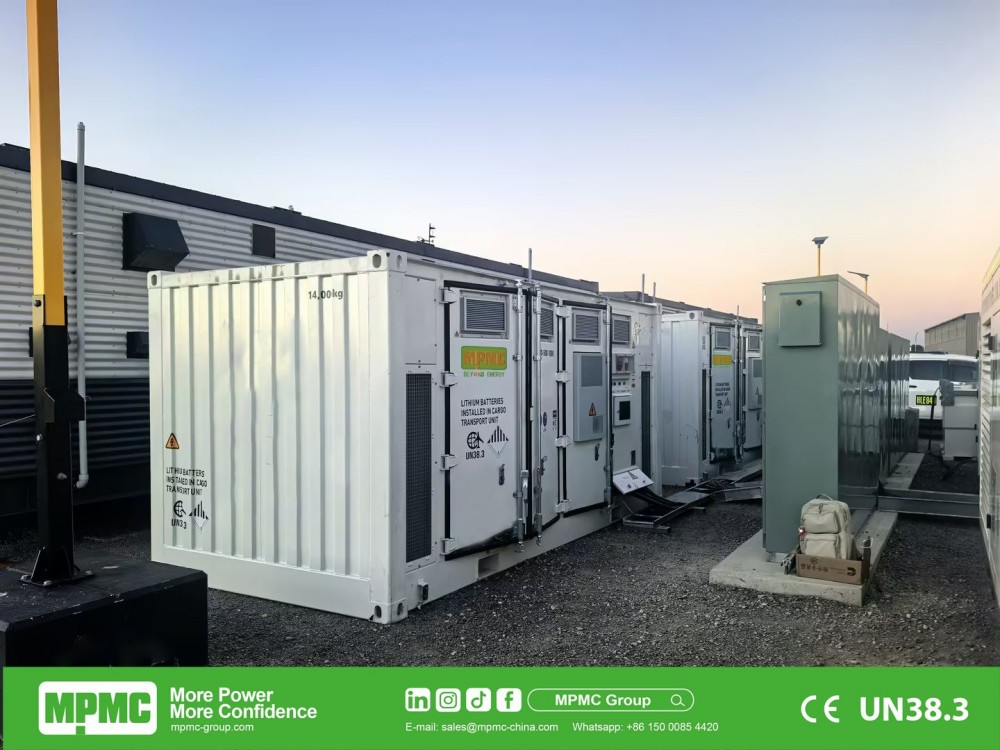 MPMC HBD-A battery storage system has been deployed and is now in use, with integrated remote monitoring hardware.
Open Protocol Integration With Existing Systems
MPMC's EMS supports the open ESS Link protocol, which ensures compatibility with a buyer's existing battery management or microgrid management systems rather than forcing a wholesale replacement of monitoring infrastructure already in place. For a facility or project developer that has already invested in a broader site management platform, this means MPMC's BESS can report into that existing system rather than becoming a separate, disconnected monitoring silo. This matters most for a buyer adding MPMC storage to a site that already runs equipment from other vendors under one dashboard: an open protocol is what determines whether the new battery joins that dashboard or forces a second, parallel monitoring screen the operations team has to check separately.
Case Reference: Remote Dispatch Across a Four-Site Microgrid
MPMC's Kenya 6 MW microgrid project — four separate sites, each combining solar PV, DC-coupled battery storage and diesel genset backup — runs under EMS weather-driven dispatch, with the entire microgrid visible from a single monitoring interface rather than four independent site reports. This is a concrete demonstration that MPMC's remote energy management scales from a single storage unit up to a multi-site portfolio without requiring a fundamentally different control architecture. Weather-driven dispatch specifically means the EMS adjusts the balance between solar generation, battery discharge and generator backup ahead of anticipated weather changes, rather than reacting only after a shortfall has already occurred — a distinction that matters for minimising diesel runtime across a genuinely unattended multi-site portfolio.
For a project of this scale, the alternative to a single consolidated interface is a maintenance team logging into four separate systems, each potentially from a different equipment vendor, to build a combined picture of the microgrid's state. MPMC's architecture avoids that fragmentation by design: because the same EMS instance dispatches all four sites, a single operator can compare performance across locations, spot a site trending toward an unexpected discharge pattern, and intervene before it becomes a fault, rather than discovering the issue only after a site has already dropped load.
Where MPMC Sits Against Other BESS Suppliers on Remote Management
Competitors such as Himoinsa and Pramac integrate hybrid battery products using third-party Victron controllers, meaning their remote management layer depends on a separate vendor's software rather than a platform the battery manufacturer built and controls end-to-end. MPMC's advantage is a single point of accountability: the same company that manufactures the battery cells and enclosure also wrote the EMS and SCADA software managing them remotely, which removes a potential gap in support responsibility when a remote-monitoring issue needs resolving.
This also affects how quickly a software update or bug fix reaches the field: a manufacturer running its own EMS can push a fix directly, while a manufacturer depending on a third-party controller vendor is subject to that vendor's own release schedule and priorities, which may not align with the urgency of a specific customer's issue.
| Element | Third-Party Controller Suppliers | MPMC |
|---|---|---|
|
EMS/SCADA ownership |
Third-party (e.g. Victron) |
Self-developed, in-house |
|
Satellite backup |
Not always available |
Starlink integration |
|
Multi-site dispatch |
Varies by integrator |
Demonstrated at Kenya 6 MW scale |
Checklist: Evaluating Remote Energy Management on a BESS
• Confirm whether the EMS/SCADA platform is self-developed or third-party sourced
• Ask which communication channels are supported and whether satellite backup exists
• Check historical data retention against compliance or troubleshooting needs
• Verify which control modes (PQ, VF, VSG, black start, grid-forming) are available remotely
• Confirm ESS Link or equivalent open-protocol compatibility with existing site systems
• Ask what cybersecurity framework governs remote access to the platform
• Request a reference project demonstrating multi-site remote dispatch
• Confirm remote diagnostics support versus on-site technician requirements
Frequently Asked Questions on Remote BESS Management
Yes. MPMC's Kenya 6 MW microgrid project demonstrates this at four separate sites, all visible from a single monitoring interface under EMS weather-driven dispatch.
MPMC's platform supports Starlink satellite communication as a backup link, so monitoring continuity does not depend solely on local 4G or 5G network availability.
Yes, through the open ESS Link protocol, which is designed for compatibility with existing battery management and microgrid management systems rather than requiring a full platform replacement.
MPMC documents a 10-year data retention period, which supports both long-term performance analysis and any compliance requirements tied to historical operating records.
The underlying EMS and SCADA principles are shared across MPMC's BESS product lines, though the specific control modes and communication options available depend on the model and its stationary or mobile application.

Recent Posts

October 26, 2016
The Most Successful Engineering Contractor



Contact US
Product Information
Quantity
Unit
Piece
Support order samples, customization, wholesale direct, and complete payment. If the product you look for does not have corresponding customized content, pls fill out the form below to contact us, and we will reply ASAP.