


Language
Which Mobile Energy Storage Charging Station Fits Temporary Fleet Charging During Depot Renovation or Grid Maintenance?
Sep 18, 2026
A depot renovation or scheduled grid maintenance period creates a genuinely temporary charging gap: the permanent charging infrastructure a fleet normally relies on is unavailable for a defined period, but the fleet itself still needs to operate on schedule. Installing new permanent infrastructure for what is ultimately a short-term problem rarely makes financial sense, which is the specific case MPMC's BCH Series addresses directly.
Addressing the Temporary High-Power Dilemma
MPMC identifies this exact scenario as "the temporary high-power dilemma" — a genuine need for rapid deployment of high-capacity clean power over a defined period, where relying on diesel generators alone runs into environmental and noise regulations, and building permanent infrastructure takes longer and costs more than the temporary need justifies. The BCH Series bypasses both problems with a mobile, plug-and-play solution that can be deployed and withdrawn as the temporary need requires.
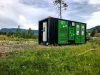
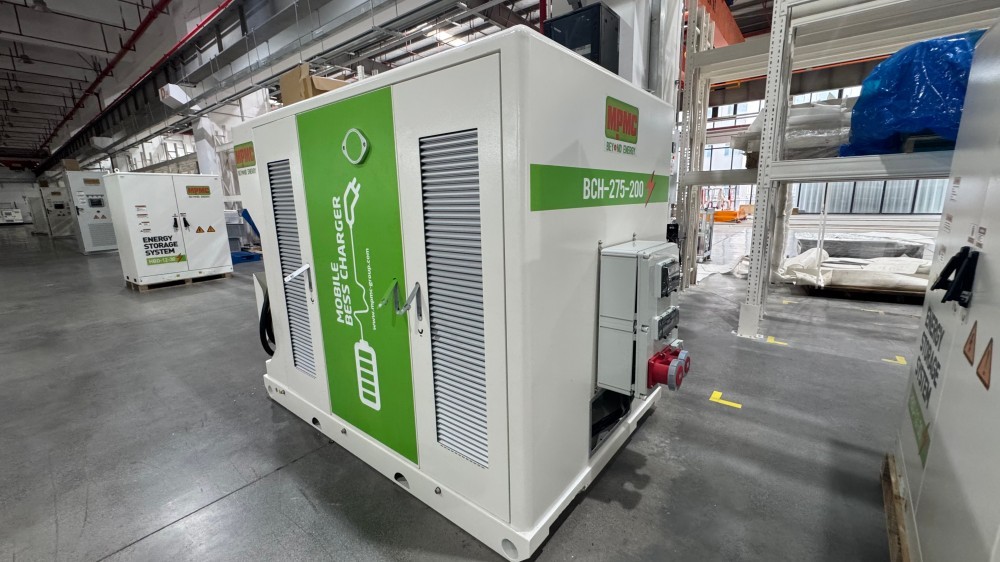 MPMC BCH-275-200 mobile BESS charger, a compact plug-and-play unit suited to temporary depot or grid-maintenance charging periods.
Deployment Without Site Reconstruction
The BCH-275-200 offers a fully sealed liquid-cooled battery pack, dual CCS2 charging guns (250A each) with a plug-and-play fast-output box that eliminates on-site wiring, and a 3.5-tonne heavy-duty trailer for transport across any terrain with an integrated forklift hole for repositioning once on site. Full operational status is achievable within 24 hours, which is the specific figure that matters for a depot renovation timeline planned around weeks rather than months.
Flexible Power Sourcing During a Maintenance Period
Because the BCH-275-200 accepts AC input from grid, gensets, or solar, alongside CCS2 DC input for recharging via an external fast-charging station, an operator can keep the unit powered from whichever source is actually available during a grid maintenance window — including recharging the unit itself in approximately one hour via CCS2 DC input when mains power is intermittently available rather than continuously accessible.
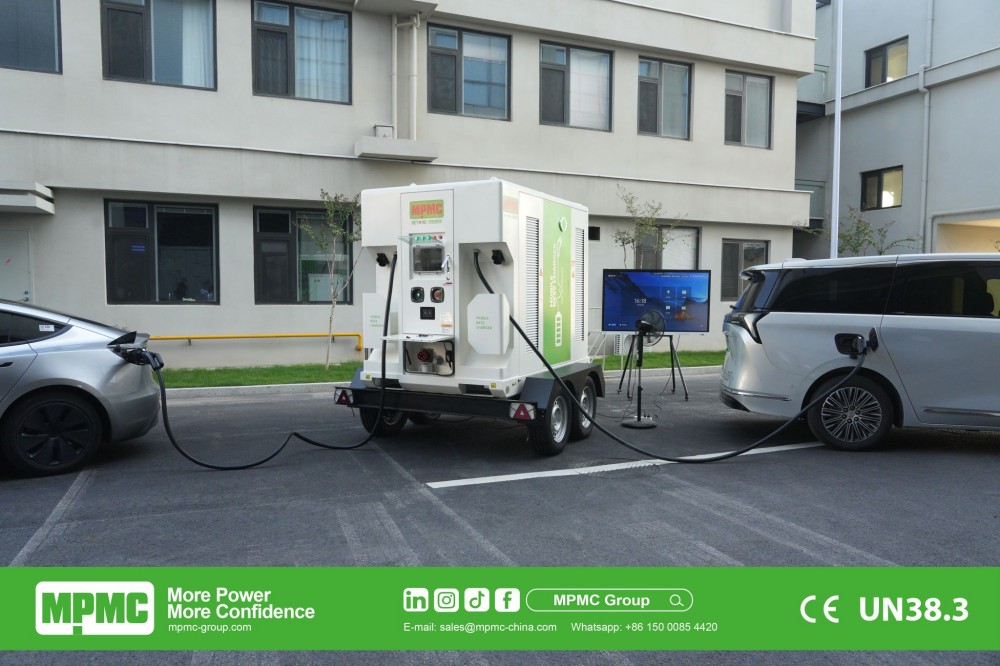 MPMC BCH-275-200 in a compact mobile charging application, illustrating plug-and-play deployment for a temporary site.
| Requirement | Permanent Infrastructure | BCH-275-200 Temporary Deployment |
|---|---|---|
|
Installation time |
Weeks to months, civil works required |
Within 24 hours, plug-and-play |
|
On-site wiring |
Required |
Eliminated via fast-output box |
|
Asset after renovation ends |
Fixed, remains in place |
Withdrawn and redeployed elsewhere |
Withdrawing the Unit Once Permanent Infrastructure Returns
Because the BCH-275-200 is trailer-mounted rather than permanently installed, it can be withdrawn and redeployed to another temporary need once the depot's permanent charging infrastructure or grid connection is restored, rather than sitting as a stranded asset after its initial purpose is served — a genuine advantage over a temporary fixed installation built specifically for the renovation period alone.
Comparable European Deployments
MPMC's documented BCH-275-200 deployments — eight units in the United Kingdom and a combined BCH-275-200 plus BCH-500-1000 configuration in the Netherlands — were originally sized for logistics fleet charging rather than depot renovation specifically, but the underlying deployment mechanics are identical: a plug-and-play mobile unit substituting for infrastructure that was either unavailable or, in the renovation case, temporarily out of service. These references give a facilities manager a concrete precedent for the deployment timeline and operational reliability to expect.
Sizing the Deployment to the Renovation Timeline
A short renovation window measured in days calls for a different sizing conversation than a multi-month grid upgrade, since the BCH-275-200's recharge time via CCS2 DC input (approximately one hour) and its 203.5 kWh onboard storage need to comfortably cover the fleet's charging cycles for the duration specified, not just a single day's demonstration. Confirming expected fleet size and daily charging cycles against the unit's storage and recharge profile before the renovation begins avoids a mid-project capacity shortfall that a permanent installation would not have created.
Specifying Temporary Charging for Depot Renovation
• Confirm deployment time (target: within 24 hours) against your renovation or maintenance schedule
• Verify trailer transport specifications match your site's access and terrain conditions
• Confirm which power sources (grid, genset, solar) will actually be available during the temporary period
• Ask about plug-and-play wiring requirements to avoid on-site electrical works for a short-term deployment
• Confirm the unit can be redeployed to another temporary site once the depot's permanent infrastructure returns
• Request warranty terms specific to short-duration, high-utilisation temporary deployments
Recent Posts

October 26, 2016
The Most Successful Engineering Contractor


Contact US
Product Information
Quantity
Unit
Piece
Support order samples, customization, wholesale direct, and complete payment. If the product you look for does not have corresponding customized content, pls fill out the form below to contact us, and we will reply ASAP.