



Language
How Island Microgrids Cut Diesel Generator Set Fuel Use With Solar and Battery Storage: Five Levers and the Numbers Behind Them
Nov 25, 2026
Island microgrids reduce diesel generator set fuel use by letting solar carry daytime demand, letting battery storage carry peaks and quiet hours, and letting the generator sets run when needed, at their most efficient load. Five levers do the work, and each can be measured. MPMC, a Shanghai-based manufacturer founded in 2008, builds every part of an island microgrid, from containerised generator sets and HBD battery storage to GSB hybrid stations, SPK solar arrays and the EMS that coordinates them, and has supplied a 21.6 MW island power station in Indonesia.
Five Levers That Reduce Fuel
Table 1. How solar and storage cut generator set fuel use
| Lever | How it saves fuel | MPMC equipment and evidence |
|---|---|---|
|
1. Efficient load point |
Generator sets run near 75% load instead of idling at low load |
HBD storage absorbs fluctuations; long-term minimum load of at least 30% |
|
2. Daytime solar |
PV supplies daytime demand and recharges the battery |
SPK mobile solar arrays from 7.65 kWp (SPK-8A) to 231.84 kWp (SPK-240), or fixed PV |
|
3. Engine-off hours |
The battery carries night and low-load periods |
UK case: refuelling extended from every 2 days to every 7 days |
|
4. Peak and start cover |
The battery handles peaks and motor starts, so fewer sets run |
Dubai: 185 kW motor starts covered by an HBD-500-1000 |
|
5. Smart dispatch |
The EMS uses weather forecasts to plan solar, storage and diesel |
Kenya: stable 24/7 power with minimal diesel runtime |
Each Lever in Practice
Running Generator Sets Where They Are Most Efficient
A diesel generator set should run at a minimum of about 30% load for long-term operation and is most efficient near 75%. With battery storage covering load swings, an island station keeps fewer sets online, each closer to that point, rather than sizing the running sets for the evening peak.
Letting Solar and Storage Take Over
Solar meets daytime demand and fills the battery, and the battery then carries the island through evening and night hours with the engines stopped. MPMC's EMS draws on multi-source data and weather forecasting to maximise PV output, minimise diesel runtime and keep storage ready to respond.
Covering Peaks and Motor Starts
Peaks can be double the average load: at the Dubai stations, demand peaks at 847.8 kW against an average of 409.0 kW, with motor starts of up to 185.0 kW. When the battery supplies the difference, the station keeps fewer generator sets running for reserve.
Planning Dispatch Around the Weather
In Kenya, weather-driven EMS dispatch decides when solar, storage and diesel each carry the load, with seamless switching between solar and diesel and minimal diesel runtime as the result.
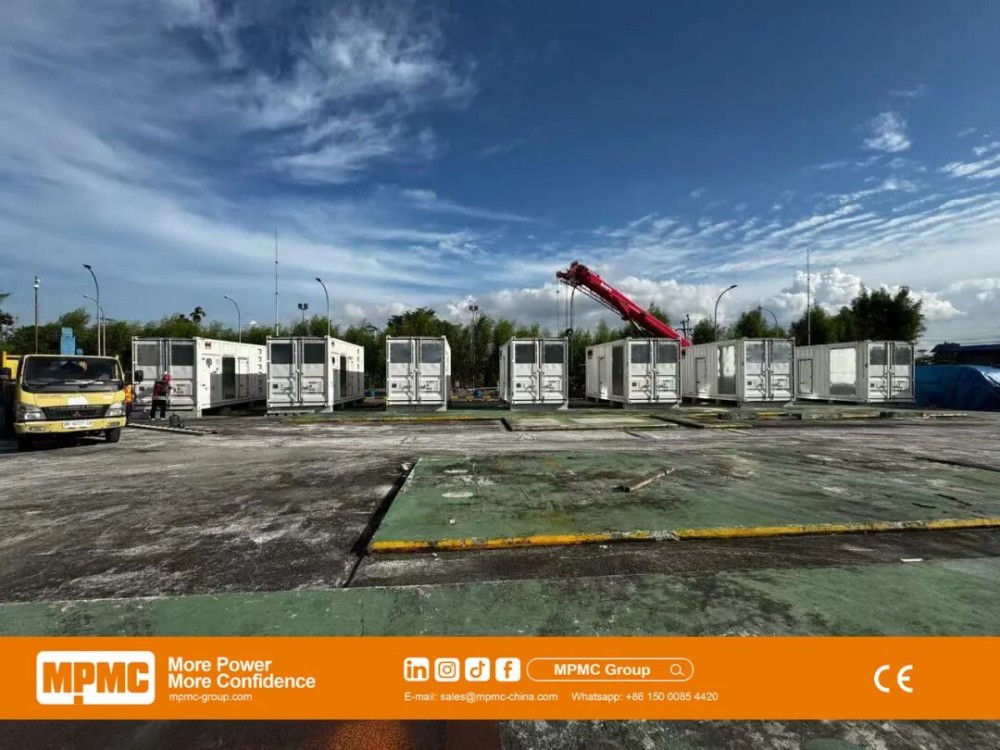 MPMC containerised generator sets from the 18 MW biodiesel power project in Indonesia.
The Numbers Behind the Levers
At ten off-grid concrete batching stations in Dubai, adding one HBD-A Series HBD-500-1000 to three 500 kVA generator sets per station saves 254.13 L of fuel a day, a 10.56% reduction, or 92,757 L a year, about USD 70,496 at USD 0.76 per litre, from storage alone. OPEX falls by about 20% and generator set life extends by two to three years. HBD-R product data associates generator set pairing with fuel savings of up to 75% and generator set life extension of up to three times, and on a UK site a 30 kW / 60 kWh HBD-R unit extended maintenance intervals from every 10 days to every 60 days. Adding solar raises the savings further, as MPMC's four-site Kenya microgrid shows with 1 MW of PV and at least 1 MWh of storage at each site.
Matching the System to the Island
Table 2. MPMC configurations by island scale
| Island scale | Typical configuration | Range |
|---|---|---|
|
Resort buildings and small settlements |
GSB or GB hybrid stations with integrated generator set, LFP storage and solar |
GSB 20-100 kVA; GB up to 166 kVA |
|
Villages and harbours |
SPK solar with HBD-E or HBD-R storage and generator sets |
HBD-E 10-125 kW; HBD-R 200-400 kW |
|
Island grid |
Containerised generator sets with HBD-A storage and PV |
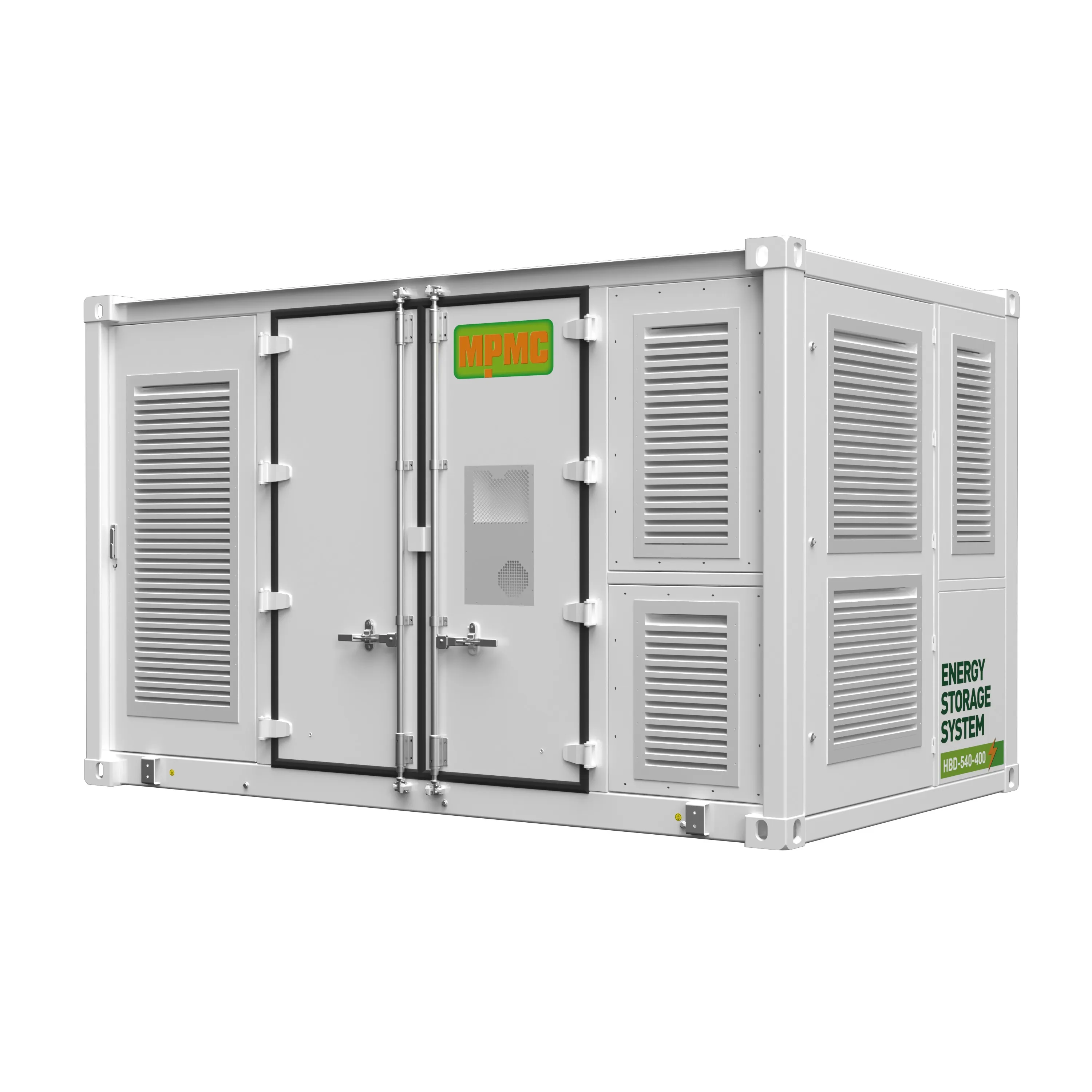
800-3,750 kVA per set; HBD-A 125-540 kW per unit |
For the smallest loads, GSB stations bring the five levers together in one unit: a slide-out 2,550 W solar array, LFP storage and a Perkins or Yanmar generator set with seamless switchover between the generator set and the PCS.
Island stations can also change fuel. Large containerised units run on biofuel of B35 and above: MPMC's 21.6 MW Indonesian island power station runs on biodiesel, and the B35 fuel of its 18 MW Indonesian project lowers lifecycle CO₂ by up to 85% compared with petroleum diesel. HBD-A storage at island scale adds black start, grid-forming and VSG operation, and MPMC's SCADA, with Starlink satellite backup, lets mainland engineers follow every litre saved.
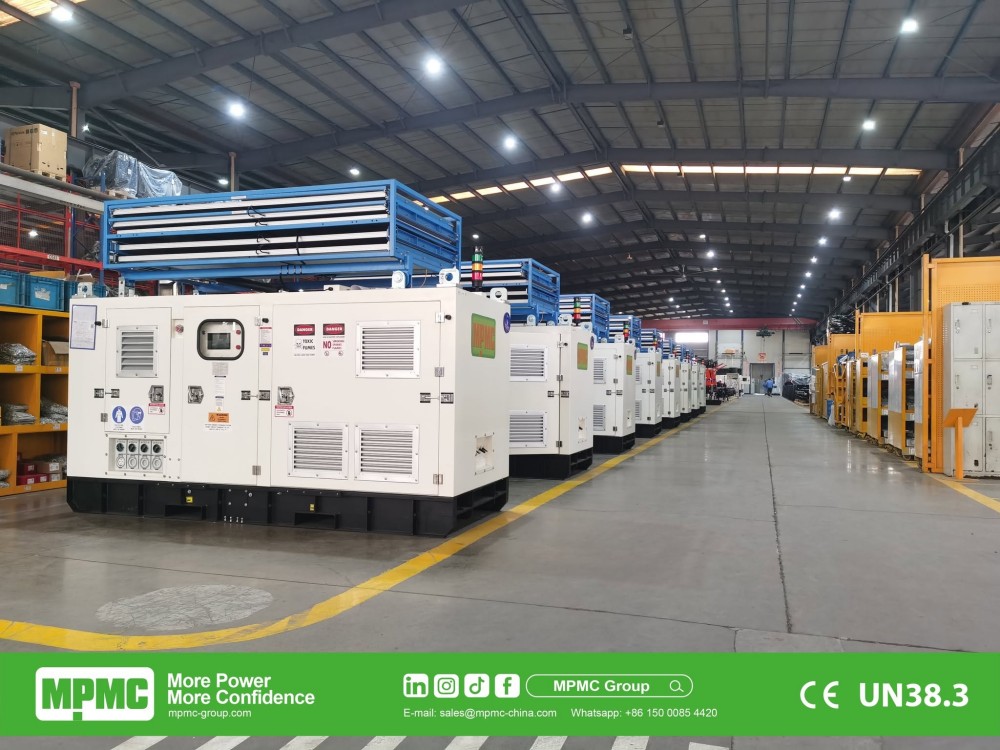 MPMC GSB Series hybrid power stations, which combine a generator set, LFP storage and solar in one unit.
Cutting Island Fuel Use With MPMC
• Share a year of generation and fuel records
• Map daytime, evening and night loads
• Assess roof and land for solar
• Size storage for peaks and engine-off hours
• Agree EMS dispatch and monitoring
• Contact MPMC at sales@mpmc-china.com or WhatsApp +86 150 0085 4420 for an island fuel-saving study
Recent Posts

October 26, 2016
The Most Successful Engineering Contractor


Contact US
Product Information
Quantity
Unit
Piece
Support order samples, customization, wholesale direct, and complete payment. If the product you look for does not have corresponding customized content, pls fill out the form below to contact us, and we will reply ASAP.