


Language
Mobile Energy Storage Systems for Reducing Generator Set Fuel Consumption on Job Sites
Sep 03, 2026
The fuel a job-site generator burns is not proportional to the work it does. A set sized for the largest load it might ever see spends most of its hours carrying a small fraction of that, and diesel engines are least efficient exactly there. Mobile storage exists to remove those hours, and the size of the opportunity is measurable before anything is bought. MPMC POWERTECH CORP., established in 2008 and headquartered in Shanghai Pudong, publishes an HBD-R series positioned as a generator set partner.
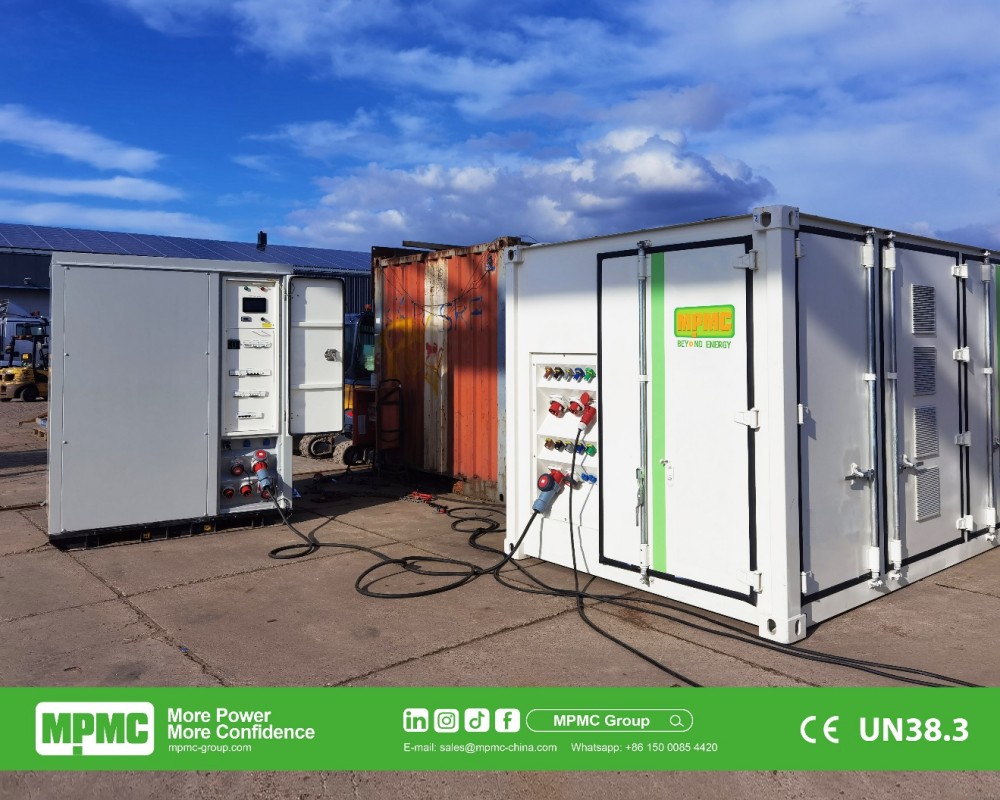 MPMC battery energy storage system operating in parallel with a generator set
Measuring the Opportunity Before Sizing
The figure that determines the achievable saving is how many hours the engine currently spends below half load, and it comes from logging rather than from a specification. A representative week of interval data shows that proportion, the quiet-period load and its duration.
Those three inputs select the model directly. Power has to cover the load carried while the engine is stopped, including its starting inrush; capacity has to cover the length of that period; and the recharge window is checked against the hours the engine may run. Where the load profile varies seasonally, the worst month rather than the average should drive the selection.
What the Published Cases Record
| Installation | Configuration | Published outcome |
|---|---|---|
|
Construction site, United Kingdom |
56 kW generator serving a 3–6 kW base load, plus a 30 kW / 60 kWh HBD-R unit |
Refuelling moved from every two days to every seven; maintenance interval from every ten days to every sixty |
|
Chile Event Rental BESS |
2 MWh: HBD-R series (HBD-30-60, HBD-50-100, HBD-100-200, HBD-250-400) |
Pure mobile energy storage providing clean, silent power for the event, eliminating diesel generator noise and emissions during performance hours. |
Matching the Range to Site Duty
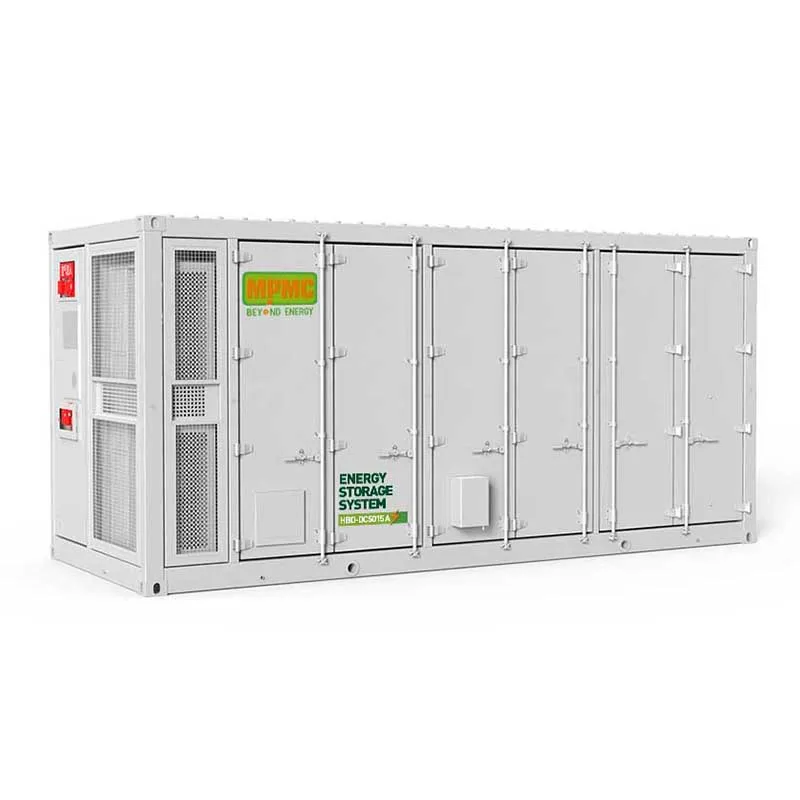
MPMC lists the HBD-R range from the HBD-30-60 at 30 kW with 61.44 kWh, through the HBD-50-100 at 50 kW continuous with 112.5 kWh, the HBD-100-200 at 100 kW with 225.1 kWh, the HBD-250-400 at 250 kW with 450.2 kWh, the HBD-200-200 at 200 kW with 203.5 kWh, and the HBD-400-400 at 400 kW with 407 kWh, to the HBD-610-610 at 610 kW with 610.6 kWh, with HVAC cooling on the smaller models and LCAC liquid cooling on the larger units.
MPMC also cites fuel reduction of up to 75% against diesel-only operation in low-load conditions, with generator life extension of up to three times when paired with diesel generators, and lists millisecond-level transient load smoothing with compatibility across DSE, ComAp, DEIF, Woodward, Smartgen and CAT EMCP controllers.
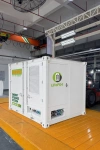
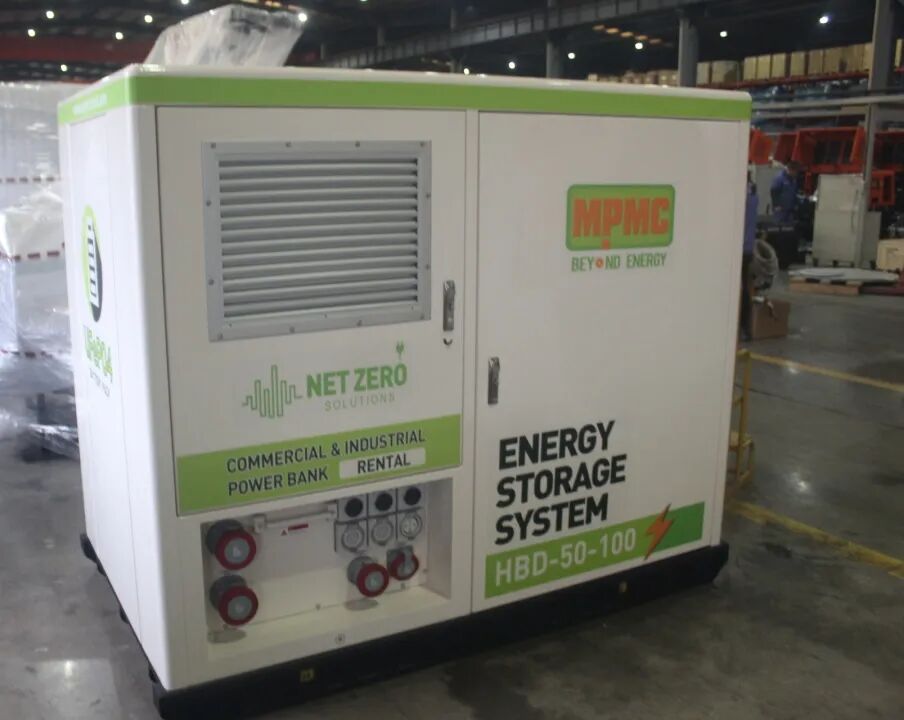 MPMC HBD-R Series battery energy storage system — HBD-50-100
The Dispatch Settings Realise the Saving
Hardware sets the ceiling; the control logic determines how much of it is reached. Two settings decide most of the result: the state of charge at which the engine starts, which trades fuel against battery cycling, and the load point it holds while running, which trades efficiency against recharge speed.
A third applies where availability matters, namely whether a reserved state of charge is held back so storage can cover a generator outage. All three should be agreed and demonstrated at commissioning rather than left at default values, because the saving is realised or lost in those settings rather than in the equipment specification.
Savings That Are Not on the Fuel Line
Fewer running hours reduce service visits, and on a dispersed site each visit carries travel time and access arrangements that can exceed the value of the fuel saved. The published UK case records the maintenance interval extending sixfold, which across a portfolio of sites is a substantial operational saving in its own right.
Noise is the third effect and sometimes the decisive one. A site able to run silently outside working hours can operate under a consent that restricts night running, which converts an acoustic constraint into an energy storage question rather than an enclosure one.
Practical Limits Worth Knowing
MPMC lists 6,000 cycles at 90% depth of discharge on the HBD-R series with an operating range of −20°C to +50°C, seamless on-grid and off-grid switching as standard, aerosol fire suppression to CE on smaller models and off-gas detection with a water spray inlet on larger units. Published warranty terms are 3 years or 1.6 MWh per kWh for the system and 5 years or 2.57 MWh per kWh for battery performance.
On a unit cycling daily the throughput allowance is reached before the calendar term. Storage also does not add peak capability: if the generator was undersized for a starting load before, the combination has to be sized to cover that too.
Hiring Before Buying
For a contractor uncertain whether the arrangement suits its sites, hiring a unit for one project answers the question with real data rather than a projection. Fuel consumed before and after, service intervals achieved and the number of quiet hours actually covered are all measurable within a few weeks.
MPMC describes the HBD-R series as purpose-built for the rental market with ruggedised design and easy maintenance, which means the same product is available through hire channels as well as purchase. Where a trial is run, recording the baseline fuel consumption before the unit arrives is the step most often skipped and the one that makes the comparison credible.
Fuel Reduction Checks
● Log the load profile over a representative week and measure hours below half load.
● Identify the quiet-period load and its largest starting current.
● Size rated power and capacity separately against those two figures.
● Confirm controller compatibility with the generator set already on site.
● Agree the engine start threshold and the load point held while running.
● Specify any reserved state of charge for generator outage cover.
● Price avoided service visits alongside fuel, including travel and access.
● Check the throughput allowance against expected daily cycling.
Recent Posts

October 26, 2016
The Most Successful Engineering Contractor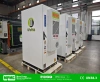




Contact US
Product Information
Quantity
Unit
Piece
Support order samples, customization, wholesale direct, and complete payment. If the product you look for does not have corresponding customized content, pls fill out the form below to contact us, and we will reply ASAP.