


Language
What Are Some Good Solutions for Electric Vehicle Charging Infrastructure?
Sep 23, 2026
Electric vehicle charging infrastructure is not a single product category — a site with permanent grid access and predictable demand needs a different solution from a site with no grid connection, an intermittent one, or a genuinely temporary charging requirement. Evaluating solutions against the specific site condition, rather than a generic "EV charger" category, is what determines whether the investment actually solves the problem.
Mobile, Grid-Independent Charging as a Distinct Category
For sites without reliable permanent grid access — remote locations, temporary sites, or weak-grid regions — MPMC's BCH Series addresses the underlying pain points behind these deployments directly: extended range anxiety from off-grid power uncertainty, the high capital cost and lengthy construction timeline of permanent infrastructure, and the temporary high-power dilemma facing events, film productions, and disaster response. The BCH Series combines storage and charging in a single mobile unit, drawing from grid, genset, BESS, or PV sources to deliver DC fast charging without requiring new permanent infrastructure.
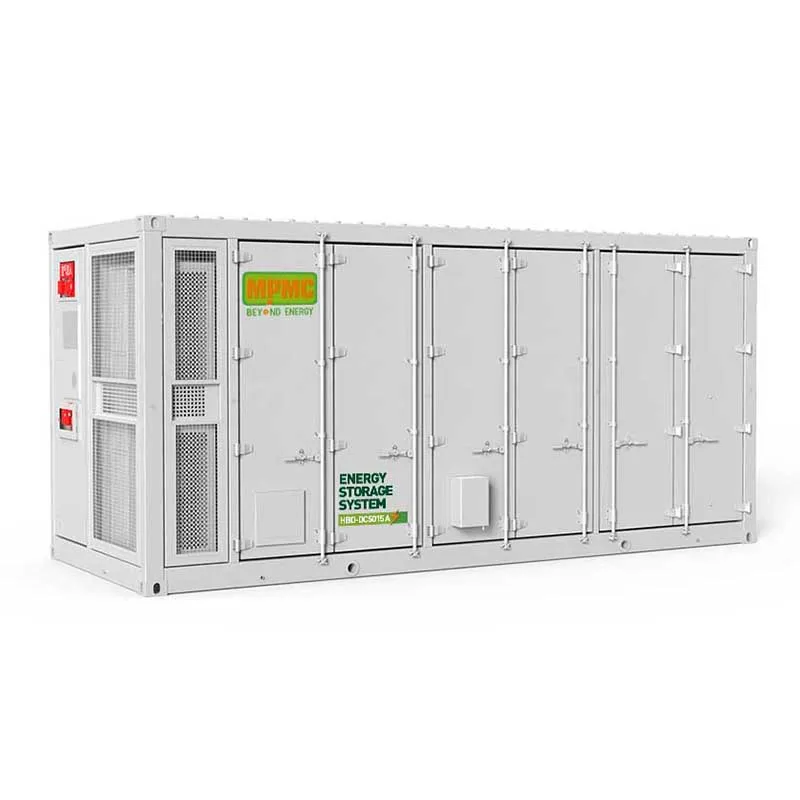
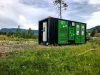
 MPMC BCH Series mobile BESS charger, an integrated storage-and-charging solution for sites without reliable permanent grid access.
A Range Matched to Different Load Profiles
MPMC's BCH range spans the compact BCH-80-70 (80 kW output, 70 kWh storage) through the BCH-275-200 (150 kW output, 203.5 kWh storage), the BCH-600-400 (400 kW output, 407 kWh storage), up to the heavy-duty BCH-800-600 (600 kW output, 610.6 kWh storage) and BCH-500-1000 (500 kW output, 1,075 kWh storage), covering compact single-vehicle charging through heavy-duty fleet and construction-machinery applications on the same underlying platform and control system.
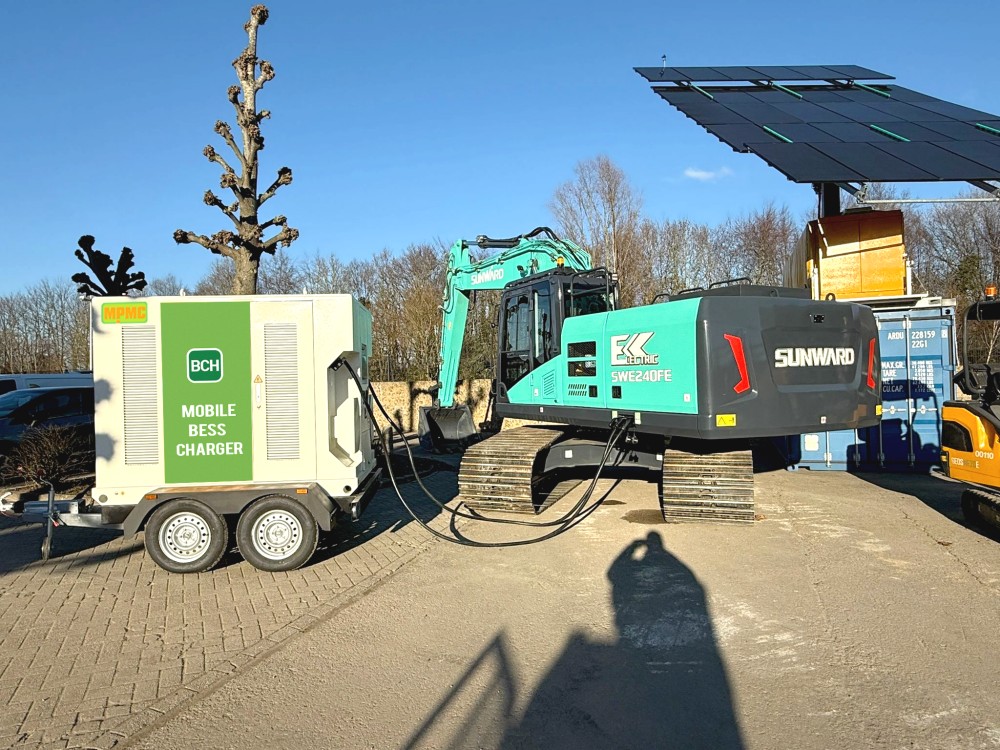 MPMC BCH Series product range, covering compact through heavy-duty mobile EV charging infrastructure needs.
Solar-Paired Charging for Lower Operating Cost
MPMC identifies a high-margin PV synergy model as one of its BCH revenue pathways: pairing a BCH unit with photovoltaics converts low-cost solar energy into higher-value electricity sales, maximising return on investment compared with grid-only or genset-only charging. For a site with viable solar exposure, this pairing is worth evaluating specifically against the alternative of grid extension or permanent diesel generation.
Autonomous Operation for Lower Running Cost
Beyond the hardware itself, MPMC's integrated SCADA and EMS minimise labour costs through intelligent, automated energy management, with complete system monitoring and command available remotely over Ethernet or 4G — a meaningful factor in total cost of ownership for infrastructure that would otherwise require regular on-site staffing to operate and monitor.
| Site Condition | Recommended Approach | MPMC Product |
|---|---|---|
|
Reliable permanent grid |
Direct-connected charger, standard infrastructure |
N/A — standard grid-connected charging |
|
Weak or intermittent grid |
Mobile storage buffers demand from unreliable input |
BCH Series with grid/genset/PV input |
|
No grid access |
Fully mobile, plug-and-play deployment |
BCH Series, deployable within 24 hours |
Revenue Models to Offset Infrastructure Cost
For an operator weighing the upfront cost of mobile charging infrastructure, MPMC identifies electricity sales as a genuine revenue stream in off-grid and emergency scenarios, where high-demand users typically prioritise immediate power access over the lowest possible price, supporting premium pricing that a standard grid-connected charger in a well-served location would not command. Optional RFID payment integration further supports commercial fleet coordination, letting an operator bill by driver, vehicle, or account rather than treating the charging asset as a shared, unmetered utility.
Combining Charging With Other Power Needs
A site rarely needs EV charging in complete isolation from its other power requirements, and MPMC's cross-product integration is relevant here: a mining or construction site needing lighting, continuous power, and EV charging together can source HBL light towers, containerised gensets, and BCH mobile chargers from a single supplier under one coordinated SCADA platform, rather than managing three separate vendors and integration layers for what is ultimately one site's power infrastructure.
Choosing EV Charging Infrastructure for Your Site
• Assess actual grid reliability at the site before assuming a permanent grid-connected charger is the right solution
• Match charger output and storage capacity to your vehicle mix and daily charging cycle count
• Evaluate whether solar pairing is viable given your site's exposure and space
• Confirm remote monitoring and autonomous operation to minimise ongoing staffing costs
• Request documented references for sites with a comparable grid-access profile to yours
• Confirm payment and charge-management integration (OCPP compatibility) fits your operating model
Recent Posts

October 26, 2016
The Most Successful Engineering Contractor



Contact US
Product Information
Quantity
Unit
Piece
Support order samples, customization, wholesale direct, and complete payment. If the product you look for does not have corresponding customized content, pls fill out the form below to contact us, and we will reply ASAP.