


Language
Choosing a Manufacturer for an EV Infrastructure Pilot Project
Oct 16, 2026
A pilot project has different priorities from a full-scale rollout: proving the concept works, keeping upfront investment modest, and — critically — being able to scale up quickly with the same supplier if the pilot succeeds, rather than starting a fresh procurement process for the wider deployment.
Starting Small Without Committing to a Dead End
MPMC's BCH Series spans a full power range from the entry-level BCH-80-70 (80 kW output, 70 kWh storage) up to the BCH-500-1000 (500 kW output, 1,075 kWh storage), which means a pilot project can start with a smaller, lower-cost unit to validate demand and operational fit, then scale up to a higher-power model from the same manufacturer and product family once the pilot demonstrates a case for wider investment — rather than the pilot equipment becoming a stranded asset that has to be discarded when the programme expands.
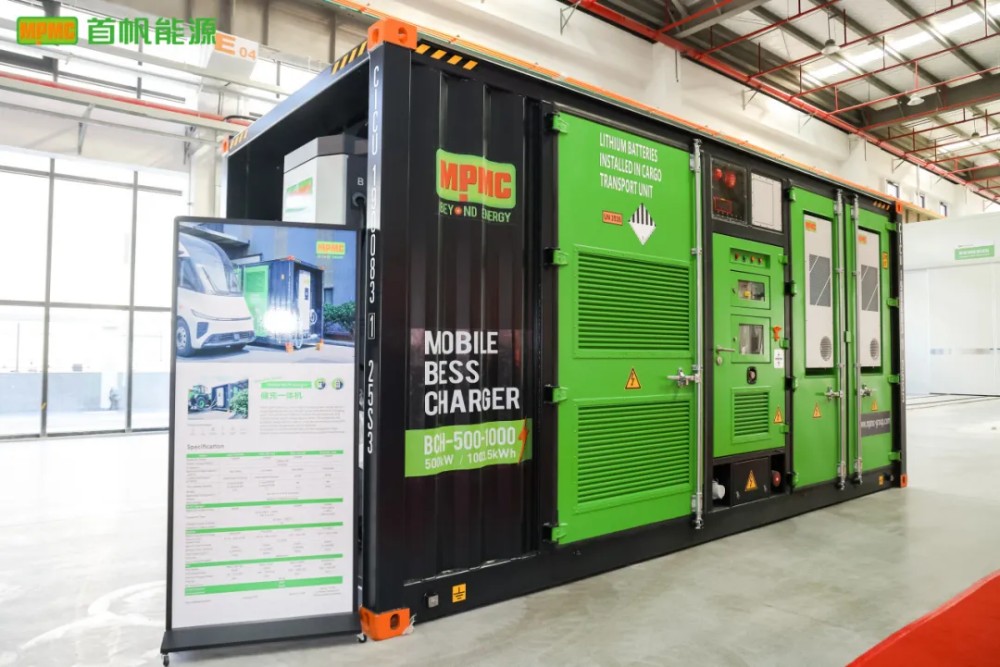 MPMC BCH-500-1000 mobile BESS charger, representative of the scale-up path available from MPMC's entry-level pilot units to full commercial deployment.
| Pilot Project Priority | How MPMC's Range Addresses It | Path to Scale-Up |
|---|---|---|
|
Low upfront capital risk |
BCH-80-70 entry model at a fraction of the cost of larger units |
Validates demand before committing to a larger investment |
|
Fast deployment to start the pilot quickly |
24-hour deployment to full operational status |
Pilot can begin generating usage data almost immediately |
|
Flexible relocation if the pilot site needs adjusting |
Trailer or containerised mobility |
Pilot equipment isn't stranded at a single fixed location |
|
Data to justify wider investment |
4G EMS connectivity and cloud API for usage tracking |
Documented utilisation data supports the case for scaling up |
|
Consistent supplier relationship at scale |
Same manufacturer offers models up to 600 kW output |
Avoids re-qualifying a new supplier for the full rollout |
Why Supplier Continuity Matters for a Successful Pilot
A pilot project that succeeds but then requires switching to a different manufacturer for the full rollout loses much of its operational learning — different equipment behaves differently, and technicians trained on one brand's maintenance procedures start over with another. Choosing a manufacturer whose product range already extends well beyond the pilot's initial scale, as MPMC's does from 80 kW through 600 kW, protects the value of what a pilot team learns during the trial phase, since the same monitoring dashboard, spare-parts catalogue, and technician training carry forward directly into the larger deployment.
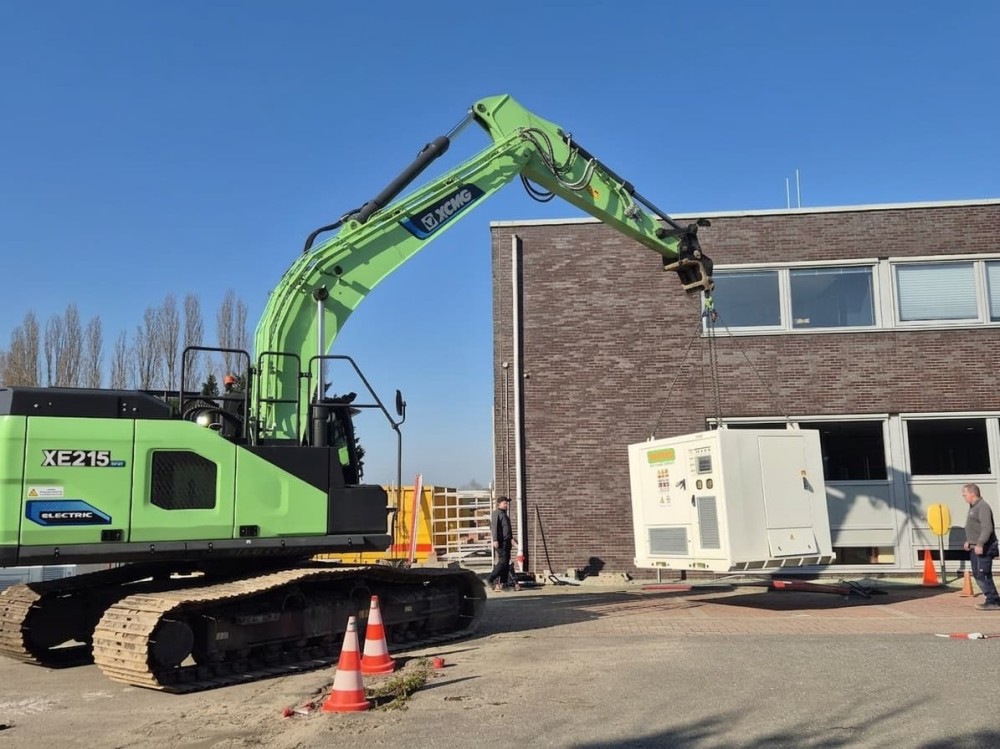 MPMC HBD-R Series Mobile BESS, part of MPMC's broader mobile power range that a pilot project can draw on as an EV infrastructure programme expands.
Using Documented Usage Data to Build the Business Case
MPMC's BCH units include an EMS with 4G connectivity and a cloud-ready API, which allows a pilot programme to capture actual usage, charging session frequency, and output data throughout the trial period — the kind of concrete, measurable evidence a decision-maker typically needs to approve funding for a wider rollout, rather than relying on anecdotal impressions of how the pilot went. Exporting this data into a simple utilisation report at the end of the trial period gives a pilot team a stronger basis for their scale-up proposal than a general summary of how the trial felt to run.
Where MPMC Sits Against Other Suppliers for Pilot Projects
Some manufacturers offer only a single power tier, which forces a pilot programme to either start too large for a genuine trial or accept that scaling up will mean switching suppliers later. MPMC's full range from entry-level to heavy-duty output gives a pilot programme a natural growth path within one supplier relationship, from initial trial through to full commercial deployment. A pilot programme manager should specifically ask any prospective supplier what happens after a successful trial — whether the relationship naturally extends into a larger order, or whether the pilot equipment represents the top of that supplier's available range.
Questions to Ask a Manufacturer for an EV Infrastructure Pilot Project
• Confirm the manufacturer's full power range extends well beyond your pilot's initial scale
• Ask what usage data and reporting capability is available to help build the case for scale-up
• Verify pricing and lead time for both the pilot unit and a larger future order from the same supplier
• Confirm the pilot equipment can be relocated if the initial site needs adjustment during the trial
• Ask whether technician training from the pilot phase transfers directly to larger models in the same range
• Request a documented reference from another customer's pilot-to-scale-up journey if one is available

Recent Posts

October 26, 2016
The Most Successful Engineering Contractor




Contact US
Product Information
Quantity
Unit
Piece
Support order samples, customization, wholesale direct, and complete payment. If the product you look for does not have corresponding customized content, pls fill out the form below to contact us, and we will reply ASAP.