


Language
DC Fast-Charging Specifications to Compare Across Mobile BESS Chargers
Oct 14, 2026
"DC fast charging" covers a wide range of actual charging speeds, and a fleet operator comparing suppliers should look past the label to the specific output power, connector current rating, and number of simultaneous guns — since these three figures together determine how many vehicles a single unit can actually turn around per hour.
MPMC's DC Fast-Charging Specifications by Model
MPMC's BCH Series specifies DC fast charging via CCS2 connectors across every model above its entry tier, with output voltage spanning DC 50-1,000 V and peak current up to 350A per gun on the larger units. The BCH-80-70 uses a single higher-current 260A CCS2 connector suited to one vehicle at a time, while the BCH-275-200 through BCH-500-1000 models all provide two simultaneous CCS2 guns, allowing two vehicles to charge at once from a single unit.
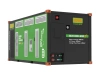
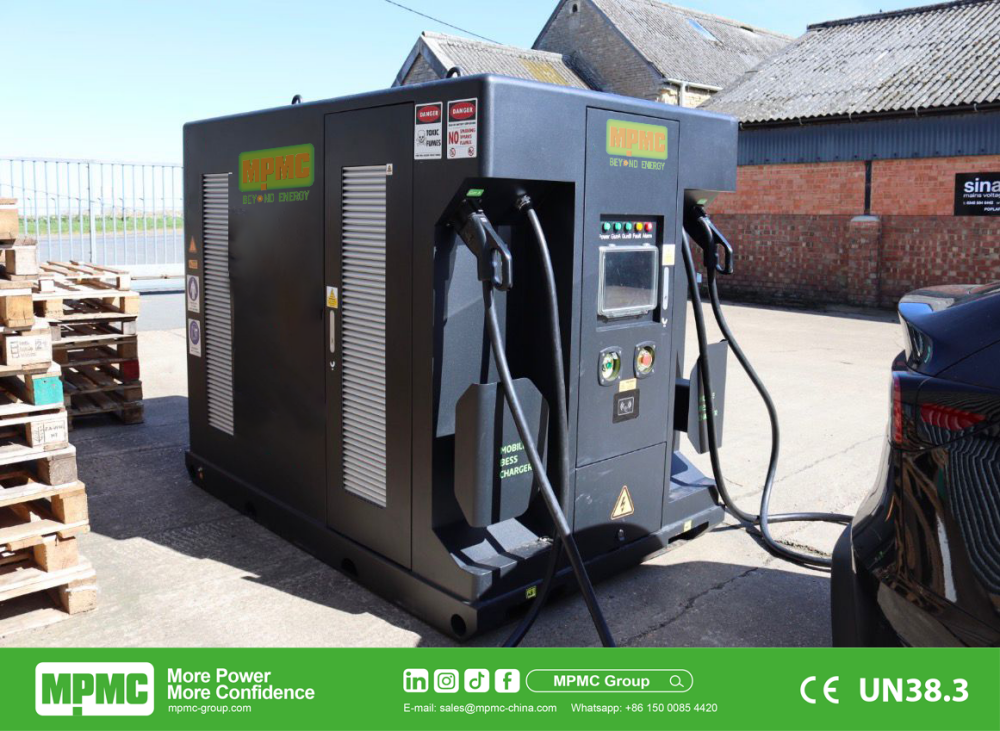 MPMC BCH-275-200 mobile BESS charger, showing the dual CCS2 DC fast-charging connector configuration used across MPMC's mid-to-high-power BCH range.
| Model | DC Output (Peak) | Connector Current | No. of Guns | Output Voltage Range |
|---|---|---|---|---|
|
BCH-80-70 |
70 kW (charging gun only) |
260A |
1 |
DC 200-1,000 V |
|
BCH-275-200 |
150 kW |
250A per gun |
2 |
DC 50-1,000 V |
|
BCH-600-400 |
400 kW |
350A per gun |
2 |
DC 50-1,000 V |
|
BCH-800-600 |
640 kW |
350A per gun |
2 |
DC 50-1,000 V |
|
BCH-500-1000 |
560 kW |
350A per gun |
2 |
DC 50-1,000 V |
Why Dual-Gun Capacity Matters for Fleet Throughput
A single-gun charger, however fast, can only serve one vehicle at a time, which means fleet throughput is capped by how quickly each individual vehicle charges. MPMC's dual-gun models on the BCH-275-200 and above let two vehicles charge simultaneously from one unit's shared battery reserve, which in practice raises the number of vehicles a fleet operator can turn around per hour without purchasing two separate chargers, provided the combined draw stays within the unit's total rated output.
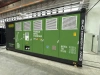
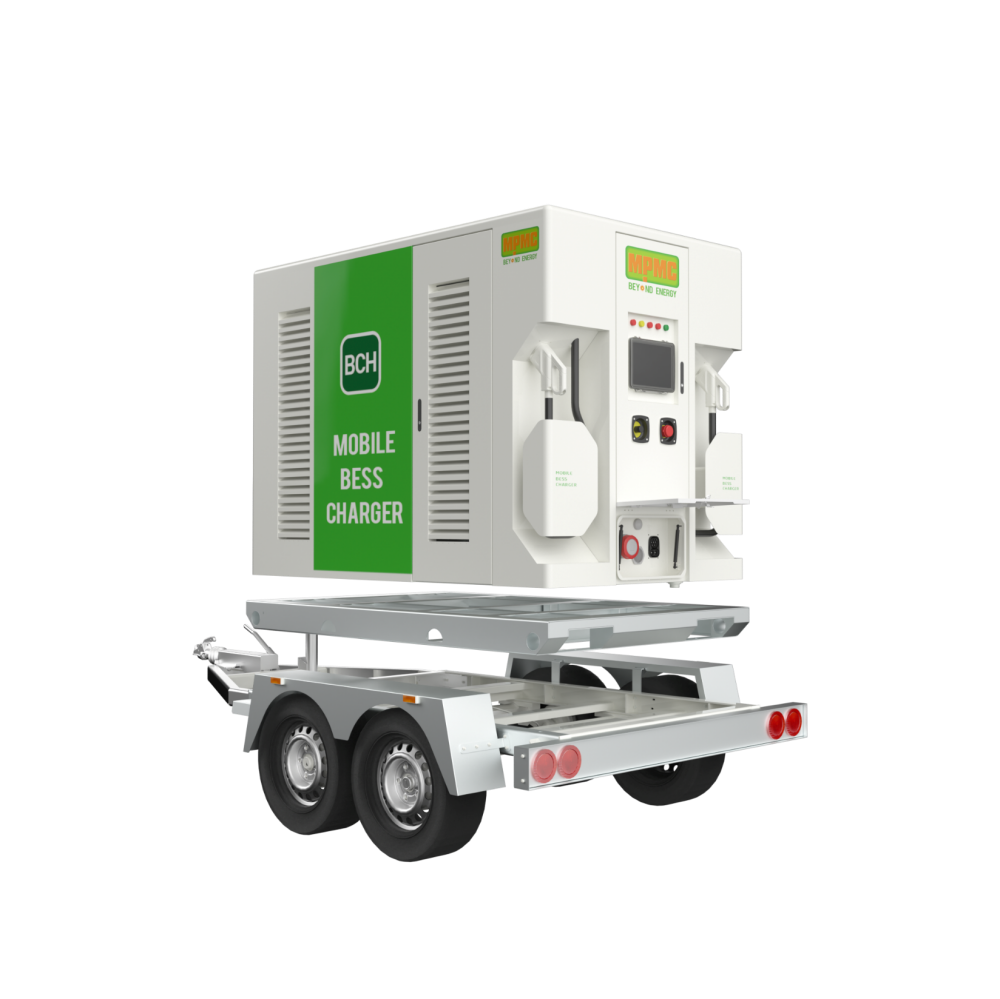 MPMC BCH-275-200 mobile BESS charger, illustrating the compact enclosure housing MPMC's dual-gun DC fast-charging system.
How the Charger's Own Battery Affects Sustained Fast Charging
Because the BCH Series stores energy in an onboard blade LFP battery before delivering it to a vehicle, sustained fast-charging output over a full shift depends on the unit's total storage capacity as much as its peak kW rating — a charger with high peak output but limited storage will taper output once the battery is drawn down, particularly if the AC input feeding the unit is itself limited. A fleet operator planning continuous multi-vehicle charging across a full shift should size the storage capacity (ranging from 70 kWh on the BCH-80-70 up to 1,075 kWh on the BCH-500-1000) against expected daily throughput, not just the headline kW figure. Running the numbers against an actual shift schedule, rather than assuming the peak kW rating is sustainable indefinitely, is the more reliable way to confirm a specific model will meet a fleet's real daily charging volume.
Where MPMC Sits Against Other DC Fast-Charging Mobile Suppliers
Some mobile charger suppliers publish a single headline kW figure without specifying connector current, gun count, or sustained-output storage capacity, which makes a like-for-like comparison difficult. MPMC's full published specification table across the BCH-80-70 through BCH-500-1000 range gives a buyer the complete set of figures needed for a genuine technical comparison rather than a single marketing number. Requesting this same level of detail from any competing supplier, rather than accepting a single peak-output figure, is the most reliable way to compare fast-charging claims across different manufacturers on equal terms.
Questions to Ask About DC Fast-Charging Specifications
• Request the full spec sheet — peak kW, connector current, gun count, and voltage range — not a single headline figure
• Confirm how many vehicles can charge simultaneously and at what combined output
• Ask how sustained output tapers as the unit's onboard battery is drawn down over a shift
• Verify the AC input capacity available on your site matches what the charger needs to recharge between duty cycles
• Confirm connector compatibility (CCS2 or another standard) with your specific fleet vehicles
• Ask for real-world charging time data from a documented deployment, not just theoretical peak output

Recent Posts

October 26, 2016
The Most Successful Engineering Contractor


Contact US
Product Information
Quantity
Unit
Piece
Support order samples, customization, wholesale direct, and complete payment. If the product you look for does not have corresponding customized content, pls fill out the form below to contact us, and we will reply ASAP.