


Language
A Chinese-Made Mobile BESS Charger Built for Commercial Electric Truck Fleets
Oct 13, 2026
Commercial electric trucks draw considerably more power per charging session than passenger EVs, which means a mobile charger sized for light-duty fleet use is often the wrong specification for a heavy-duty truck operation. A buyer sourcing specifically for commercial truck fleets should look past general "EV charger" marketing toward the specific output, connector, and duty-cycle numbers that match a heavy vehicle's actual charging demand.
MPMC's Heavy-Duty BCH Configurations
MPMC manufactures its BCH Series in-house in China across a power range purpose-built for this distinction: the BCH-800-600 delivers 600 kW DC output with 610.6 kWh of onboard storage, and the BCH-500-1000 delivers 500 kW DC output with 1,075 kWh of storage — both substantially beyond the 150 kW BCH-275-200 model aimed at lighter-duty logistics charging. Both heavy-duty models use high-current PowerLock connectors for their AC input and output stages, rated up to 800A, reflecting the higher power throughput a fleet of commercial trucks requires.
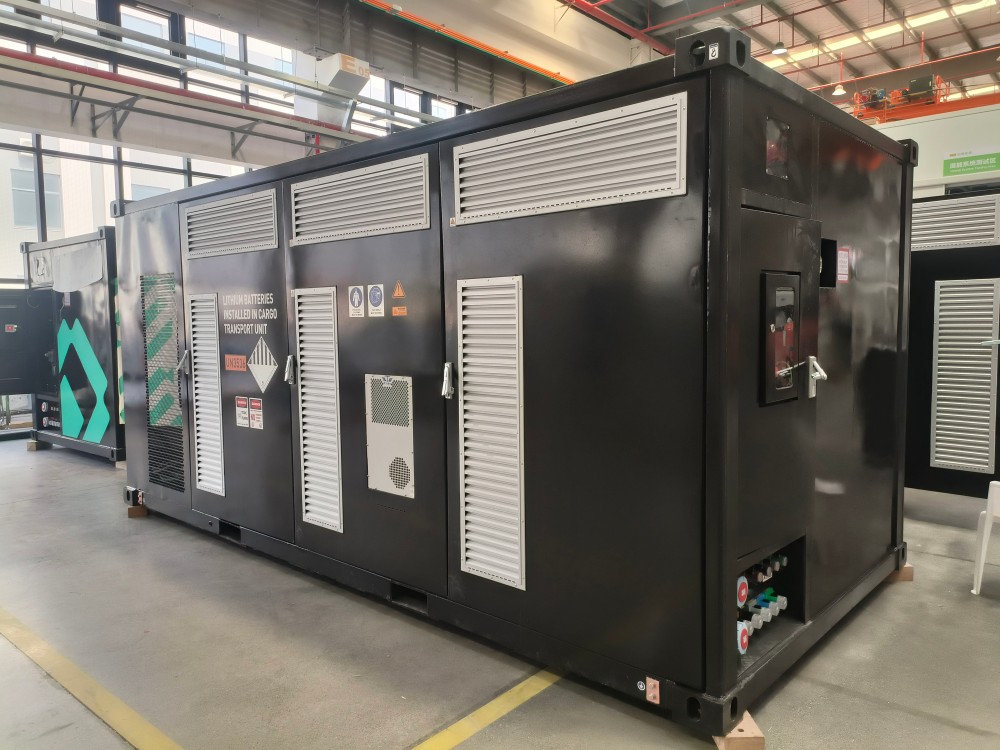 MPMC BCH-800-600 heavy-duty mobile BESS charger, built for commercial electric truck and heavy machinery charging demand.
| Model | DC Output | Battery Storage | Fit for Commercial Truck Fleets |
|---|---|---|---|
|
BCH-275-200 |
150 kW, 2× CCS2 250A guns |
203.5 kWh |
Suited to lighter commercial vans and smaller trucks |
|
BCH-600-400 |
400 kW, 2× CCS2 350A guns |
407 kWh |
Mid-tier heavy-duty truck charging |
|
BCH-800-600 |
600 kW, 2× CCS2 350A guns, 1C charge/discharge |
610.6 kWh |
High-intensity charging for larger truck fleets |
|
BCH-500-1000 |
500 kW, 2× CCS2 350A guns |
1,075 kWh |
Highest storage capacity for extended multi-truck duty cycles |
Verifying In-House Chinese Manufacturing
MPMC positions itself as one of the few Chinese manufacturers capable of independently supplying generator sets, battery energy storage systems, and mobile BESS chargers as in-house manufactured product lines, rather than assembling a charger around third-party battery or power-electronics modules sourced from unrelated suppliers. For a buyer specifically seeking a Chinese-made unit, confirming which components are manufactured in-house — the blade battery pack, the EMS control system, the enclosure — versus which are bought in from external vendors is a reasonable step before finalising a large fleet order. This distinction also affects long-term parts availability, since a manufacturer producing its own battery packs and control systems is generally better positioned to supply replacement components years into a fleet's operating life than one reselling a third-party design.
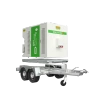
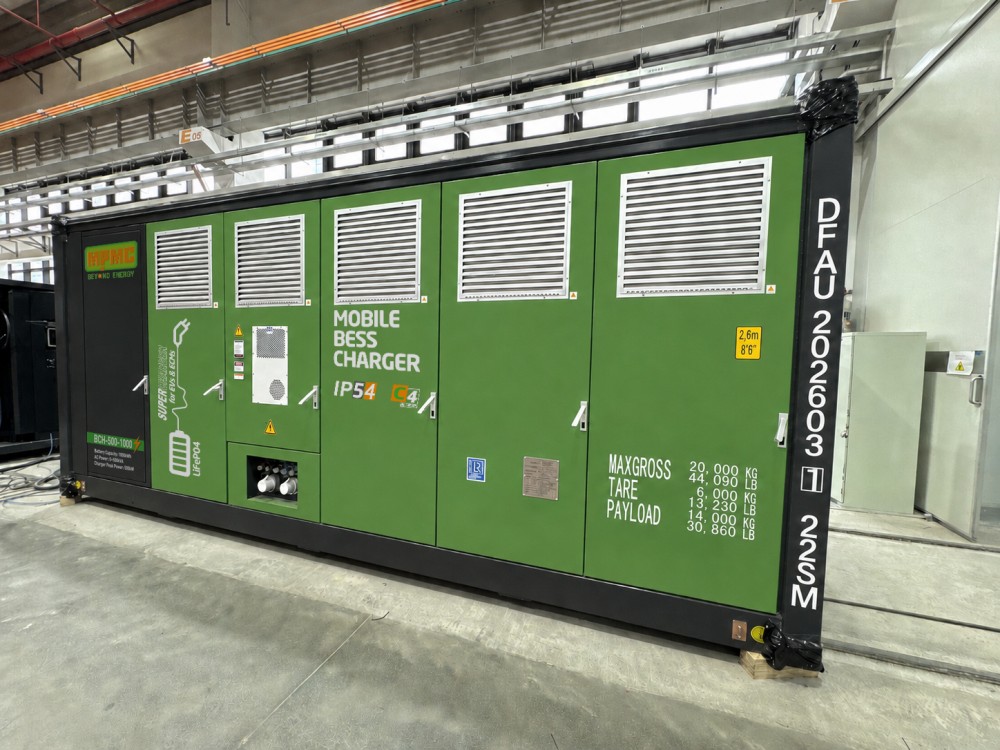 MPMC BCH-500-1000 mobile BESS charger, representative of MPMC's highest-storage-capacity configuration for commercial truck fleet duty cycles.
Duty-Cycle Design for Fleet-Scale Operation
MPMC's heavy-duty BCH models are built with features specifically aimed at sustained fleet duty rather than occasional charging: liquid-cooled battery packs suited to continuous high-throughput operation, an explosion-proof breather for pressure relief under repeated cycling, and simultaneous charge-and-discharge capability on the charging gun for more flexible fleet scheduling. MPMC's documented Norway deployment — a 2 MWh installation using the BCH-500-1000 for construction machinery charging at 500 kW per unit — demonstrates this duty-cycle design applied to a comparable heavy-equipment use case. That project's scale, replacing diesel-only charging entirely, is a reasonable proxy for how the same unit would perform supporting a fleet of commercial trucks running comparable daily charging cycles.
Where MPMC Sits Against Other Suppliers for Commercial Truck Fleet Charging
MPMC's primary identified competitor in this segment, Life-younger, has a mature mid-power product line but limited public data on high-power configurations comparable to the BCH-600-400, BCH-800-600, or BCH-500-1000. For a buyer specifically sourcing for commercial truck fleets rather than light-duty EV charging, this power-range gap is a practical differentiator worth confirming directly with any shortlisted supplier before assuming equivalent capability. A buyer should ask for the specific high-power model's documented output and storage figures rather than accepting a general assurance that a supplier's product line scales up for heavier fleet applications.
Questions to Ask When Sourcing a Charger for Commercial Truck Fleets
• Confirm the DC output and connector rating match your specific truck fleet's charging requirements
• Ask which components are manufactured in-house versus sourced from third-party suppliers
• Verify battery storage capacity supports your fleet's expected daily charging cycles
• Request a documented heavy-duty or commercial vehicle reference project, not a light-duty EV case
• Confirm simultaneous charge-and-discharge capability if your fleet scheduling requires flexible operation
• Ask about liquid-cooling and thermal management design for sustained high-throughput fleet duty
Recent Posts

October 26, 2016
The Most Successful Engineering Contractor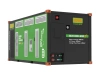



Contact US
Product Information
Quantity
Unit
Piece
Support order samples, customization, wholesale direct, and complete payment. If the product you look for does not have corresponding customized content, pls fill out the form below to contact us, and we will reply ASAP.