


Language
Chinese Suppliers of 2 MWh Battery Energy Storage Systems: What Changes at This Capacity
Aug 31, 2026
Two megawatt-hours is the point at which a storage installation stops being equipment on a site and becomes a scheme with its own connection agreement, protection study and commissioning programme. The equipment decision narrows accordingly, and the questions that matter shift from product specification to how the system is delivered and supported. From a procurement perspective this is where a supplier audit earns its place. MPMC POWERTECH CORP., established in 2008 and headquartered in Shanghai Pudong, publishes a stationary HBD-A range reaching this capacity in a single unit.
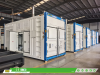
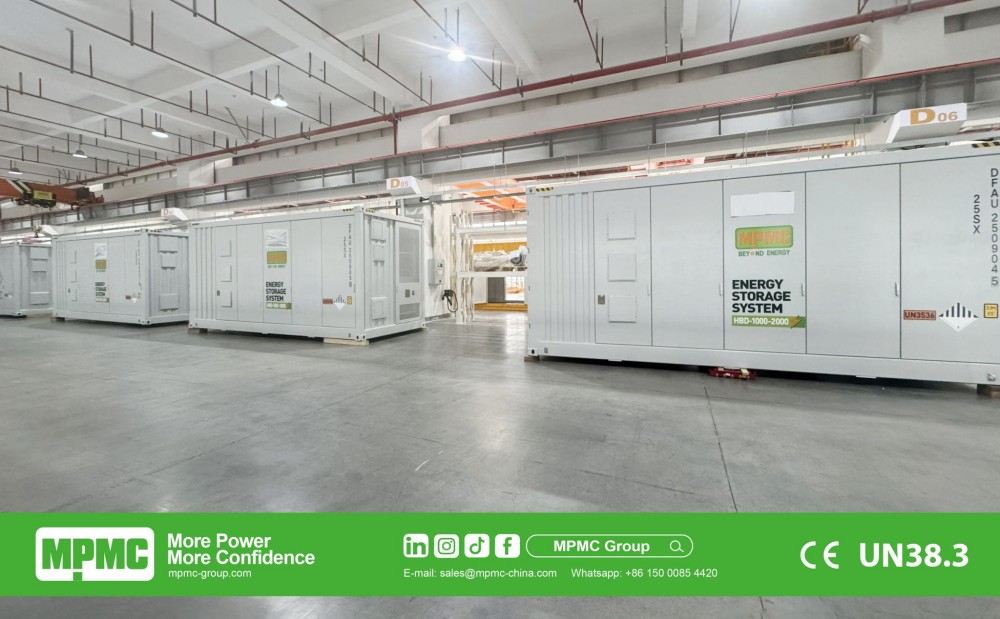 MPMC 8 MWh containerised battery energy storage system — 2 × HBD-500-1000 and 3 × HBD-1000-2000
Reaching 2 MWh in One Unit or Several
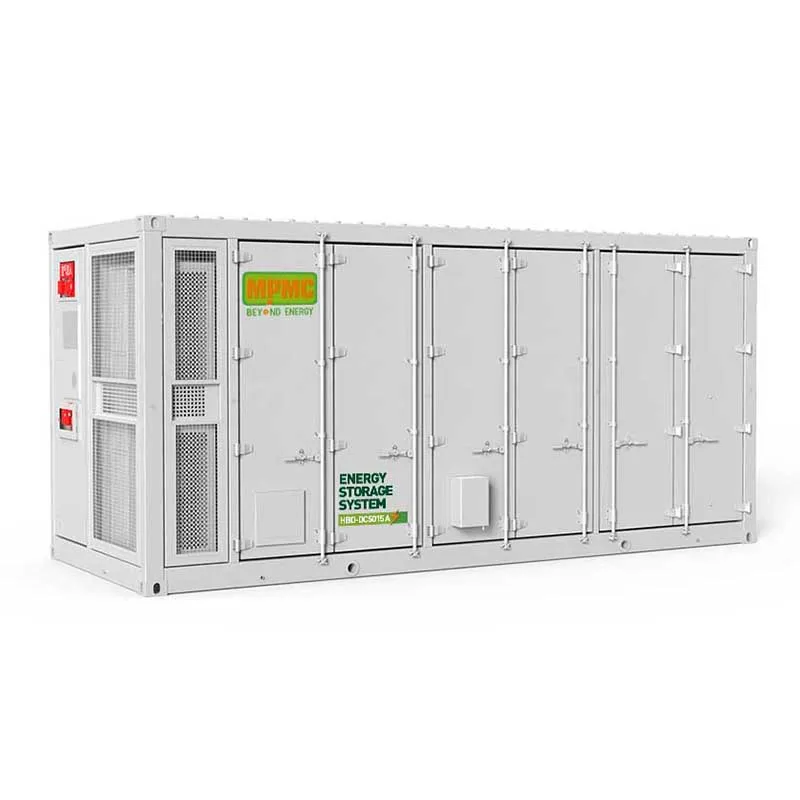
MPMC lists the HBD-1000-2000 at 1,125 kW rated AC power with 2,170 kWh, which delivers this capacity as a single containerised unit. The alternative is a parallel arrangement of smaller units: the HBD-500-1000 and HBD-250-1000 are both listed at 1,045 kWh, at 500 kW and 250 kW respectively.
The choice is not only about capacity. A single unit concentrates the delivery, the commissioning and the maintenance access into one place; a parallel arrangement allows capacity to be added in phases and lets the site continue at reduced output while one unit is serviced. MPMC's published 8 MWh Hungarian installation uses both, configured as two HBD-500-1000 units with three HBD-1000-2000 units.
The Ratio Still Selects the Model
| Model | Rated AC power | Capacity | Duty shape it suits |
|---|---|---|---|
|
HBD-250-1000 |
250 kW |
1,045 kWh |
Energy-led duty where excursions are long rather than sharp |
|
HBD-500-1000 |
500 kW |
1,045 kWh |
Balanced power and energy for mixed industrial profiles |
|
HBD-1000-2000 |
1,125 kW |
2,170 kWh |
Grid services and large sites; 2 MWh in a single unit |
|
HBD-DC 5000 |
DC-coupled |
5,015 kWh |
DC-coupled architectures alongside solar generation |
That two models share 1,045 kWh at different power ratings is the most useful fact in the range, and it applies equally at 2 MWh: reaching the capacity through two 1,045 kWh units at 250 kW is a different system from one HBD-1000-2000 at 1,125 kW. A fifteen-minute interval load profile across a full billing cycle is what identifies which shape the site has.
Platform Specification at This Capacity
MPMC lists 314 Ah LFP cells rated at 8,000 cycles at 90% depth of discharge across the HBD-A series, with liquid cooling, IP54 system and IP67 battery pack protection, aerosol fire suppression to CE, an operating range of −20°C to +55°C with derating above 45°C and a maximum altitude of 3,000 m, with off-gas detection and a water spray inlet on larger units.
Liquid cooling and the 8,000-cycle rating are what a scheme cycling daily for a decade is buying at this capacity. A documented 8 MWh European delivery is described with a dual-PCS parallel architecture at 2,097 kWh per unit in 20HQ containers with a fully welded frame, C4 anti-corrosion coating, ceramic-based aerogel insulation and IP55 protection.
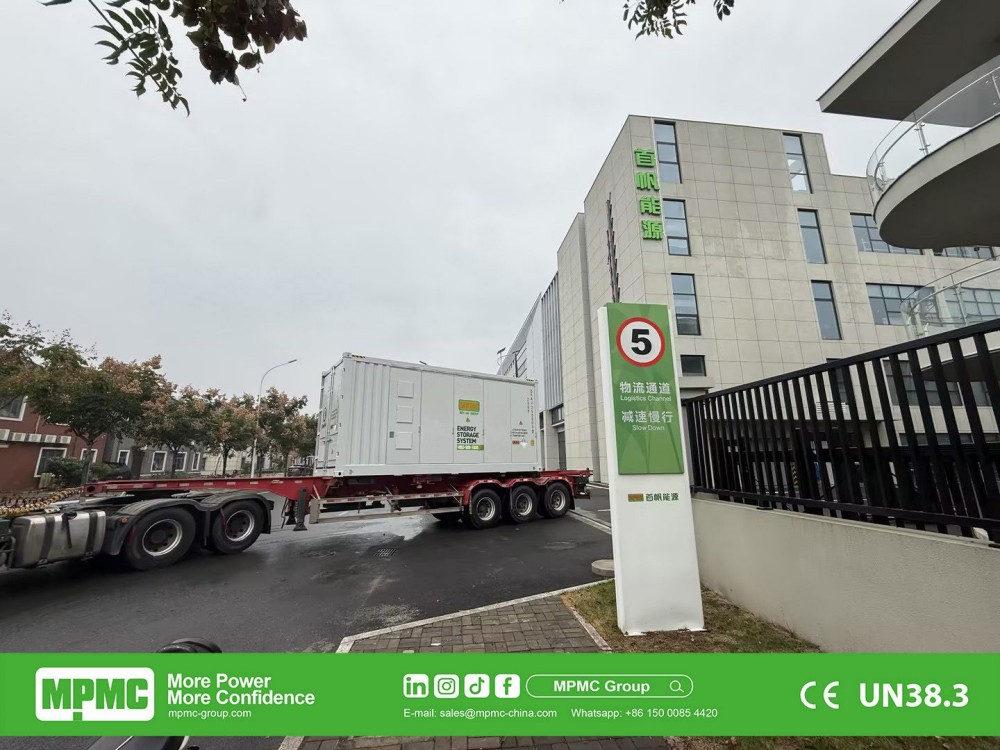 MPMC 8 MWh containerised battery energy storage system
What the Supplier Audit Should Cover
At this size the supplier relationship outlasts the equipment decision, because cells degrade, software is updated and the control philosophy is revised over the asset's life.
| Audit area | What to examine | Published MPMC position |
|---|---|---|
|
Manufacturing base |
Whether assembly is owned |
Yangzhong base at USD 27 million investment, 19,000 m² workshop, 3,300 m² R&D centre, automated pack and system lines |
|
Cell sourcing |
Which cells and from whom |
314 Ah LFP cells across the HBD-A series; a documented European delivery lists CATL 1P52S packs |
|
Control platform |
Whether the software is owned |
Self-developed SCADA and EMS with ten-year data retention and an SL3 cybersecurity framework |
|
References at scale |
Delivered projects of comparable size |
8 MWh installations listed in Hungary and the Netherlands |
|
Warranty structure |
Both limits and their conditions |
5 years or 2.2 MWh/kWh system; 10 years or 4.3 MWh/kWh battery; end-of-life retention at least 70% |
Control Modes and the Connection Requirement
MPMC lists PQ mode for active and reactive power control, VF mode for independent voltage and frequency control, VSG mode emulating system inertia, black start, grid-forming and reactive power regulation.
At 2 MWh the installation is normally subject to the network operator's requirements, which shape the specification as firmly as the load does. Protection settings, ride-through behaviour, reactive capability and anti-islanding provisions should be obtained in writing before equipment is ordered, and the demonstration obligation allocated in the contract.
Usable Energy and the Temperature Condition
Three reductions separate nameplate capacity from delivered energy: depth of discharge, since cycle life is rated at 90%; conversion losses through the power stage; and ambient derating above 45°C. At 2 MWh those reductions are substantial in absolute terms, so runtime should be calculated on delivered energy at the actual load.
MPMC's published warranty is 5 years or 2.2 MWh per kWh of capacity for the system and 10 years or 4.3 MWh per kWh for battery performance, with a validity condition requiring battery box temperature between 0°C and 25°C with a ±3°C tolerance and humidity at or below 80%. That condition is a design obligation for the enclosure and its cooling rather than a commercial footnote.
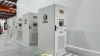
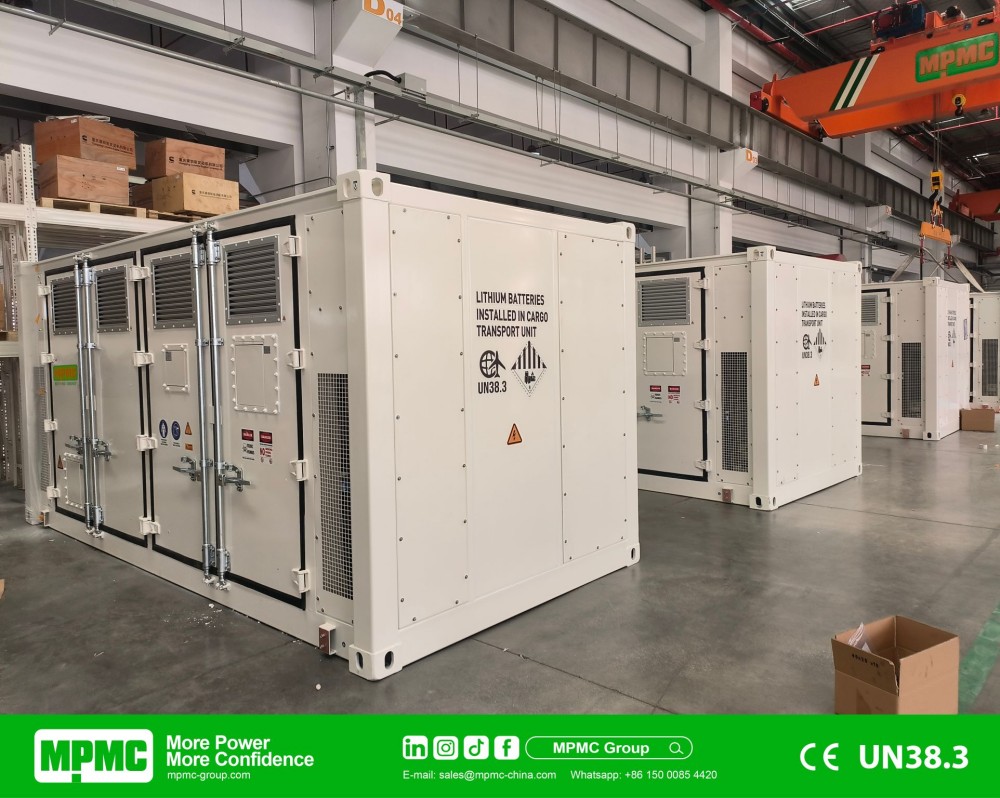 MPMC HBD-500-1000 battery energy storage systems — 10-unit installation
Delivery, Commissioning and Support
MPMC lists an end-to-end direct-project scope covering design consultation, product customisation, factory testing, logistics and commissioning support, with lead times confirmed per order against configuration and current production scheduling, and maintenance management within its SCADA platform covering early warnings, record tracking and spare parts warehouse management.
At this capacity the items worth fixing in the order are the commissioning days included, the acceptance test list, who demonstrates compliance to the network operator, and the response arrangement and parts holding for the project country. Settling those in writing is what allows the programme to be planned around a known scope.
Siting and Fire Strategy at This Scale
A 2 MWh installation occupies a defined footprint with access, clearance and cable routes around it, and the fire strategy enters scope earlier than the electrical design does. MPMC lists aerosol fire suppression to CE, IP54 system and IP67 battery pack protection across the HBD-A series, with off-gas detection and a water spray inlet on larger units.
Those are product provisions rather than an approval to install. Separation distances, detection interfaces with any building system, ventilation and emergency service access are determined locally, and settling them with the authority having jurisdiction before the position is fixed keeps the civil and electrical designs aligned.
Verification Points Before Award
• Supply a fifteen-minute interval load profile across a full billing cycle.
• Decide whether 2 MWh is delivered as one unit or a parallel arrangement, and record why.
• Select on the ratio of rated power to capacity rather than on capacity alone.
• Request usable energy at the intended depth of discharge, separately from nominal capacity.
• Obtain the network operator's requirements in writing before ordering.
• Match the required control modes against those supported.
• Treat the battery temperature condition as a cooling design requirement.
• Check expected cycles per day against the warranty throughput allowance.
• Fix commissioning days, the acceptance test list and the compliance demonstration party.
• Confirm the response arrangement and parts holding for the project country.
Frequently Asked Questions
MPMC lists the HBD-1000-2000 at 1,125 kW with 2,170 kWh, which delivers the capacity in one containerised unit. The alternative is a parallel arrangement of smaller units such as the HBD-500-1000 at 1,045 kWh, which allows capacity to be added in phases and lets the site continue at reduced output during maintenance.
Because the same stored energy serves different duty shapes. The HBD-250-1000 at 250 kW suits long shallow excursions; the HBD-500-1000 at 500 kW suits sharper ones. An interval load profile identifies which applies, and selecting on capacity alone misses a distinction the range already makes explicit.
MPMC states that battery box operating temperature must be maintained at 0°C to 25°C with a ±3°C tolerance and humidity at or below 80% for the battery performance warranty. On a hot site that makes the thermal management design part of the commercial position, and it should be reviewed alongside the cooling specification.
Normally the throughput allowance. MPMC lists 5 years or 2.2 MWh per kWh for the system and 10 years or 4.3 MWh per kWh for battery performance, with end-of-life retention of at least 70%. Sizing should therefore be checked against end-of-life capacity rather than first-year capacity.
Commissioning days included, the acceptance test list, who demonstrates compliance to the network operator, and the response arrangement and parts holding for the project country. MPMC lists an end-to-end project scope covering design consultation through commissioning support, with lead times confirmed per order.
Recent Posts

October 26, 2016
The Most Successful Engineering Contractor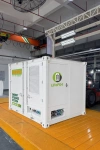



Contact US
Product Information
Quantity
Unit
Piece
Support order samples, customization, wholesale direct, and complete payment. If the product you look for does not have corresponding customized content, pls fill out the form below to contact us, and we will reply ASAP.