


Language
How Do I Size a Solar-Diesel-BESS Hybrid Power System for an Off-Grid Site?
Sep 18, 2026
Sizing a hybrid solar-diesel-battery system for an off-grid site is not simply a matter of adding up rated capacities — the diesel generator, solar array, and battery each play a different role in the architecture, and undersizing or oversizing any one component undermines the fuel savings and reliability the hybrid approach is meant to deliver in the first place.
Step One: Establish the Site's Base and Peak Load
Before sizing any component, the site's actual base load (continuous minimum demand) and peak load (highest simultaneous demand, including motor-start inrush) need to be established separately, since these two figures drive different parts of the system: base load informs battery and solar sizing for sustained operation, while peak load determines how much the battery needs to absorb so the generator itself does not need to be oversized to cover brief spikes.
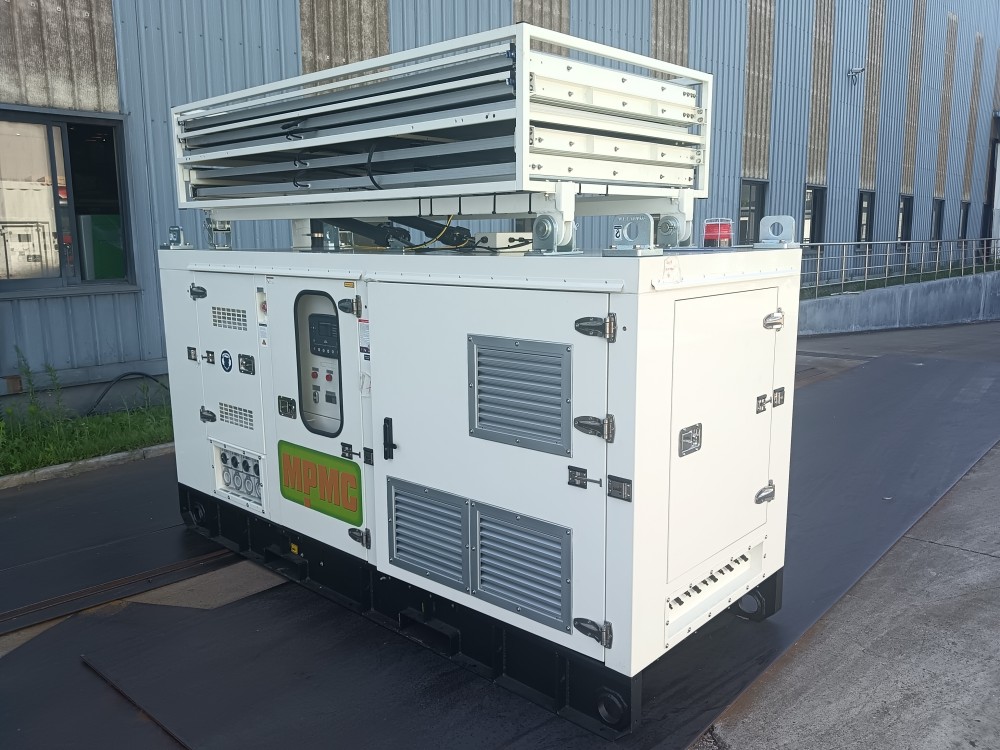 MPMC GSB Series hybrid power station, combining solar, diesel, and battery storage in a single deployable unit for smaller off-grid sites.
Step Two: Size the Generator to Its Efficient Load Point, Not Peak Demand
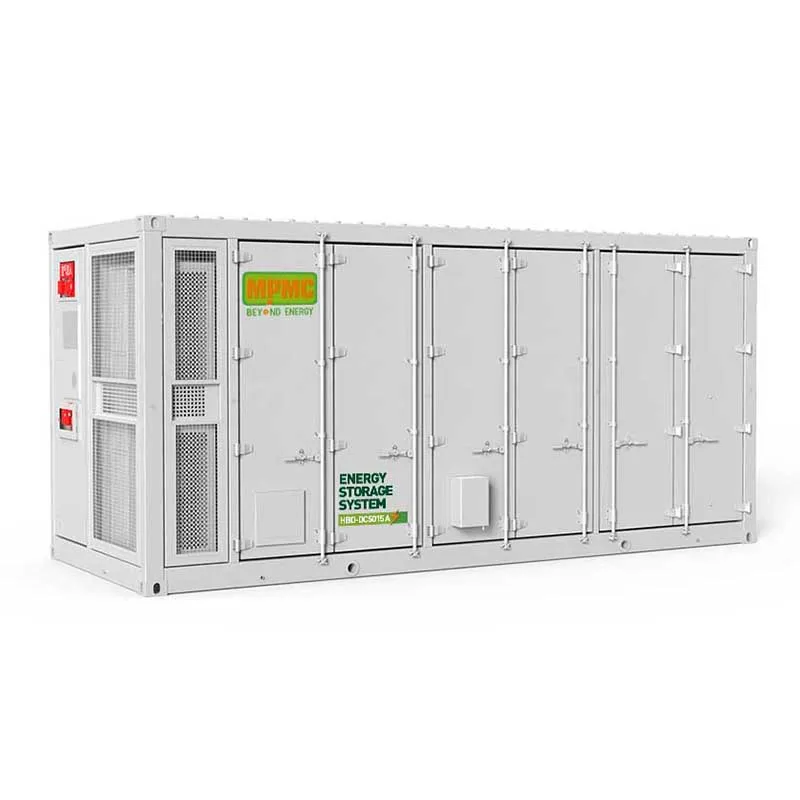
The core hybrid-sizing principle MPMC applies across its projects is running the diesel generator at its optimal fuel-efficiency load point — typically around 75% of rated capacity — rather than sizing it to cover the site's peak load directly. The battery, paired via the HBD-R Series (30 kW–610 kW continuous, 61.44–610.6 kWh) or integrated within a GSB Series all-in-one unit, absorbs the gap between the generator's steady output and the site's actual fluctuating demand, including motor-start inrush.
Step Three: Size Solar and Battery Together for Daylight Offset
Solar sizing should target the portion of daytime load the array can realistically offset given the site's location and seasonal solar resource, with battery capacity sized to store the resulting surplus for evening or overnight use — MPMC's GSB Series (10–120 kVA output, 20.4–112.5 kWh battery, integrated slide-out solar array) packages this calculation into a single deployable unit for smaller sites, while larger sites size a separate HBD-A or HBD-E BESS against a rooftop or ground-mounted PV array independently.
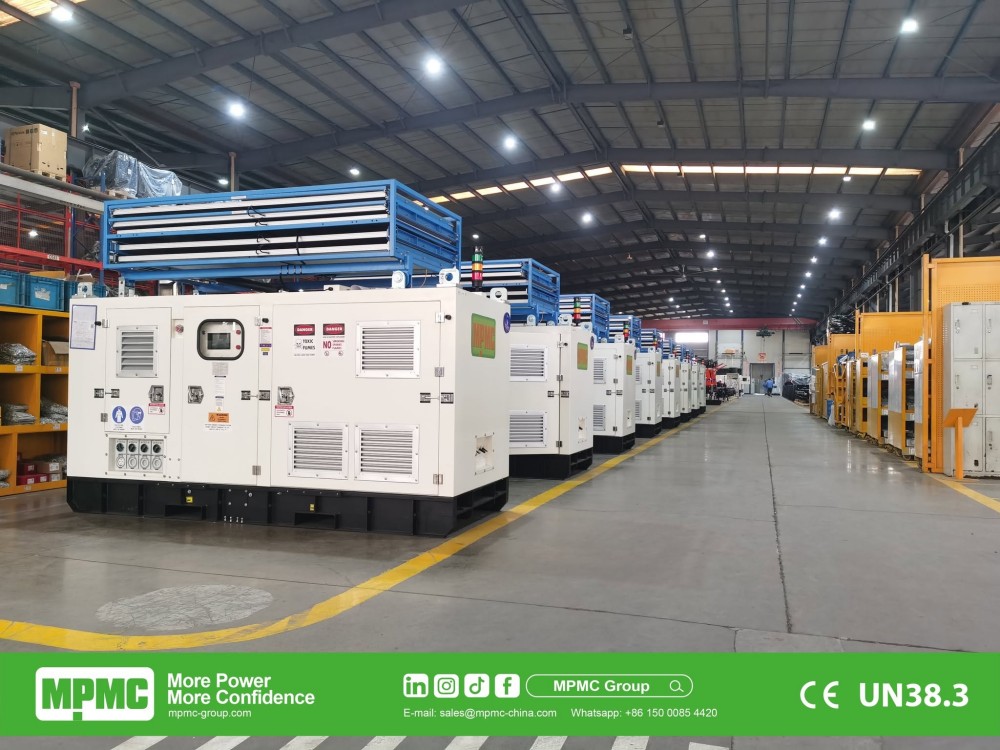 MPMC GSB Series hybrid power station unit, sized for off-grid sites needing an integrated solar-diesel-battery solution.
A Documented Reference Point for Verification
MPMC's UK construction site case offers a documented before-and-after data point for verifying a hybrid sizing calculation: a 56 kW generator set oversized for a 3–6 kW office base load, after adding a 30 kW / 60 kWh HBD-30-60 unit, saw refuelling frequency extend from every 2 days to every 7 days and maintenance intervals extend from every 10 days to every 60 days — a useful benchmark for estimating the improvement a correctly sized hybrid system can deliver against an existing oversized diesel-only installation.
Scaling the Same Principle to a Larger Site
At considerably larger scale, MPMC's four-site Kenya microgrid pairs 1 MW of solar PV and at least 1 MWh of battery storage with 2×500 kW plus 2×250 kW diesel gensets per site — the same base-load, peak-load, and generator-efficiency-point sizing logic applied at a scale roughly twenty times larger than the UK case, demonstrating that the underlying methodology holds across a wide range of site sizes rather than only working at small scale.
| Site Scale | Example Configuration | Sizing Reference |
|---|---|---|
|
Small (single load/office) |
GSB Series, 10–120 kVA, integrated solar array |
All-in-one; sized to base + peak load directly |
|
Mid-scale (construction/camp) |
Containerised genset + HBD-R Mobile BESS |
Generator at 75% load point; battery absorbs balance |
|
Large (multi-building/site) |
Containerised genset array + HBD-A BESS + solar |
Kenya 6 MW, 4-site reference at ~20x UK case scale |
Sizing Checklist for a Hybrid Off-Grid System
• Measure actual base load and peak load separately before sizing any single component
• Size the generator toward its optimal efficiency load point, not the site's peak demand
• Size the battery to cover the gap between generator output and fluctuating actual demand
• Size solar and battery together against realistic daylight resource and evening demand offset
• Verify your calculation against a documented reference of comparable scale where possible
• Confirm the EMS can coordinate all three sources under one dispatch logic rather than running independently
Recent Posts


Contact US
Product Information
Quantity
Unit
Piece
Support order samples, customization, wholesale direct, and complete payment. If the product you look for does not have corresponding customized content, pls fill out the form below to contact us, and we will reply ASAP.