


Language
Hybrid Energy Solution Suppliers for Projects in the Middle East
Sep 24, 2026
A Middle East power project typically combines two demanding conditions at once: ambient temperatures regularly exceeding 50°C, and a genuine need for the containerised, hybrid architecture that lets diesel, solar, and storage work together rather than treating diesel generation as the only viable option in a region with abundant solar resource.
Cooling and Corrosion Protection Built for 50°C+ Conditions
MPMC's containerised platform is designed for continuous operation up to 50°C ambient as standard, with high-temperature copper radiator options available for sites exceeding standard design margins, validated in CNAS-accredited test rooms that simulate 40°C and 50°C ambient conditions during full-load factory testing. C4 or C5-grade anti-corrosion coating, backed by 500–700 hours of salt spray testing, addresses the corrosive coastal and desert conditions common across Gulf and North African sites.
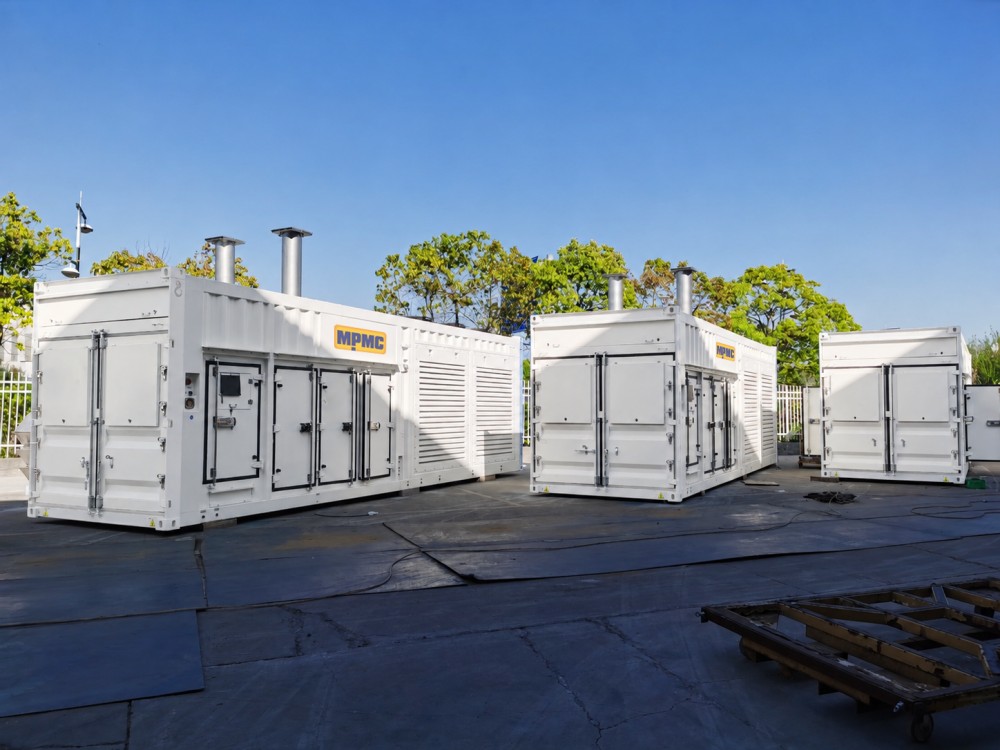 MPMC containerised diesel generator sets from a documented 33.5 MW rental construction deployment in Saudi Arabia.
Documented Middle East Deployments Across Applications
MPMC's Middle East reference base spans several distinct application types: a Middle East Oilfield HV Island Mode System combining 800 kW and 1,800 kW high-voltage units under an N+X redundancy strategy with dual-start explosion-proof configuration; a 33.5 MW rental construction deployment in Saudi Arabia built from ten Cummins KTA50-G3 units and twenty-five Cummins QST30-G4 units; a 3.3 MW oil and gas field camp power station in Saudi Arabia; and data centre and factory power projects in the UAE at 3 MW, 12 MW, and 4.2 MW.
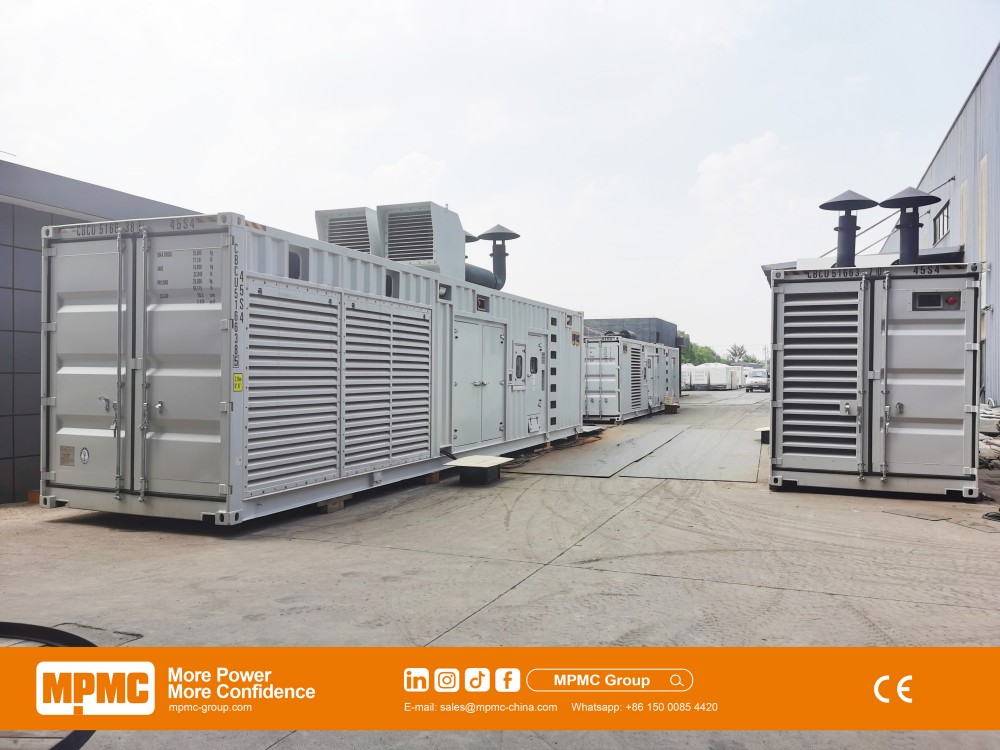 MPMC containerised high-voltage diesel generator set from a 6 MW oil and gas deployment, representative of MPMC's Middle East oilfield project experience.
| Project | Scale | Application |
|---|---|---|
|
Middle East Oilfield HV Island Mode |
1×800 kW + 2×1,800 kW |
N+X redundancy, dual-start explosion-proof |
|
Rental Construction, Saudi Arabia |
33.5 MW |
Ten KTA50-G3 + twenty-five QST30-G4 units |
|
Data Centre / Factory, UAE |
3 MW / 12 MW / 4.2 MW |
One-step load acceptance, peak shaving |
SABER Certification for Saudi Arabian Import Compliance
For projects specifically destined for Saudi Arabia, MPMC holds SABER certification alongside its broader international certification portfolio (CE, TUV, SGS, UN38.3, France BV, UL, Russian Customs Union) — a specific requirement worth confirming directly with any supplier targeting the Saudi market, since general international certification does not automatically satisfy this country-specific import requirement.
Multi-Unit Redundancy for Regional Grid Instability
Grid stability varies considerably across the Middle East region, from robust utility infrastructure in some Gulf states to genuinely off-grid or weak-grid conditions in more remote locations, and MPMC's containerised platform supports multi-unit parallel operation with intelligent load sharing via DSE or DEIF AGC controllers, delivering N+X redundancy regardless of which end of that spectrum a specific project sits at.
Hybrid Architecture for Abundant Solar Resource
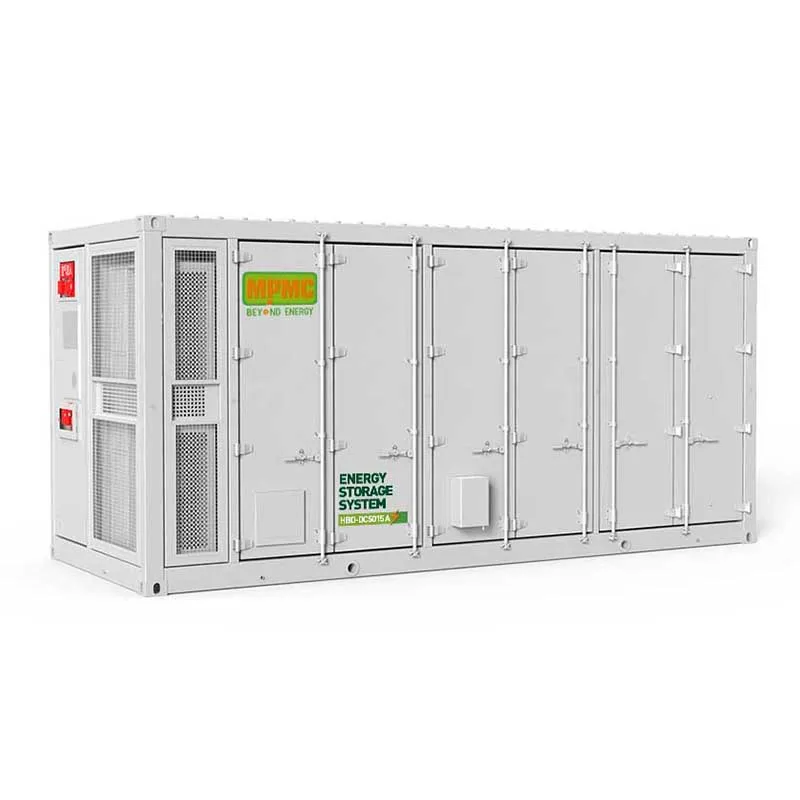
Given the Middle East's solar resource, a diesel-only specification frequently leaves fuel savings on the table that a hybrid architecture could capture. MPMC's GSB/GB Series hybrid power stations and HBD-A Series BESS can pair with rooftop or ground-mounted solar to reduce diesel runtime, following the same core sizing principle MPMC applies globally: running the generator at its optimal efficiency load point while battery and solar absorb the balance of demand.
Regional Competitor Context
AKSA Power (Turkey) is a growing international genset brand with a competitive manufacturing base positioned near the Middle East market. MPMC differentiates primarily through multi-fuel capability, integrated BESS, and a deeper international project reference portfolio spanning Asia, Africa, the Middle East, and Oceania rather than a single-region manufacturing footprint.
Evaluating a Hybrid Supplier for a Middle East Project
• Confirm ambient temperature rating and cooling system specification against your specific site's peak conditions
• Verify country-specific certification (SABER for Saudi Arabia) required for your import destination
• Request a documented Middle East reference project in a comparable application
• Ask whether hybrid solar-diesel-storage architecture could reduce fuel costs given local solar resource
• Confirm anti-corrosion coating grade suited to coastal or desert-dust conditions
• Verify explosion-proof and safety systems if the project involves oil, gas, or other hazardous-atmosphere operations
Recent Posts

October 26, 2016
The Most Successful Engineering Contractor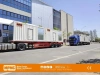


Contact US
Product Information
Quantity
Unit
Piece
Support order samples, customization, wholesale direct, and complete payment. If the product you look for does not have corresponding customized content, pls fill out the form below to contact us, and we will reply ASAP.