


Language
Which Suppliers Provide Containerised Generator Sets and Mobile BESS Solutions for Remote Oil and Gas Operations?
Sep 11, 2026
Oilfield power systems face the most demanding combination of requirements found in any industrial application: continuous 24/7 operation, intrinsic safety in flammable or explosive atmospheres, ambient temperatures that can exceed 50°C, remote locations with limited maintenance access, and effectively zero tolerance for a single-point failure. A supplier evaluated for a typical industrial site is not automatically equipped for this combination of demands.
MPMC's HV Island-Mode Architecture for Oilfield Sites
MPMC's oilfield power solutions are built around containerised high-voltage island-mode generator sets with integrated redundant architecture. Its Middle East Oilfield HV Island Mode System combines one 800 kW/1,000 kVA unit in a 20GP container, powered by a Perkins 4008TAG2A engine with a Leroy-Somer TAL-A49-E alternator, with two 1,800 kW/2,250 kVA high-voltage units in 40HC containers, powered by Perkins 4016-61TRG3 engines with Leroy-Somer LSA 53.2 XL11 alternators, all operating under an "N+X" redundancy strategy with multi-unit parallel operation and master-standby rotation.
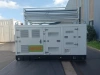
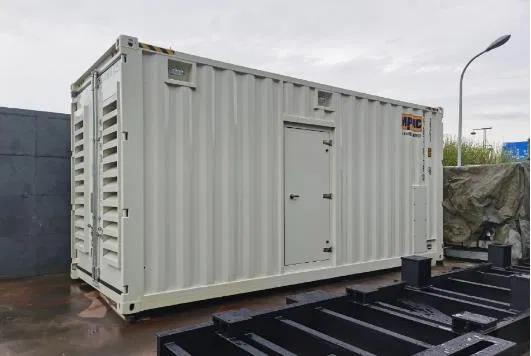 MPMC containerised diesel generator set, Perkins-powered, from an oilfield power generation deployment.
Safety Systems Built for a Hazardous Atmosphere
The Middle East oilfield system includes a dual-start explosion-proof configuration — primary compressed-air start with an emergency electric start backup, eliminating single-mode starting failure risk — alongside an SF6 gas-insulated vacuum circuit breaker for superior arc quenching and airtight protection against dust and sand ingress. Fire protection includes multi-dimensional detection through smoke sensors, temperature sensors, and UV/IR flame detectors with millisecond-level alarm response, backed by an automatic CO2 fire suppression system using two 45 kg cylinders that shut down the unit and close ventilation louvres without damaging high-voltage electronics.
Documented Oilfield Deployments at Different Scales
Beyond the Middle East system, MPMC's oilfield project record spans several documented capacities and configurations.
| Project | Capacity | Configuration |
|---|---|---|
|
Middle East Oilfield HV Island Mode |
1×800 kW + 2×1,800 kW |
Perkins engines, N+X redundancy, dual-start explosion-proof |
|
Brazil Offshore Oil & Gas Rig |
10.28 MW |
Cummins KTA50-G12 / Stamford S6L1D-H4, marine containerised, C5 coating |
|
Iraq Oilfield Rental |
6.8 MW |
Perkins 4016TAG2A + 4016-61TRG3 / Leroy-Somer, 50Hz/400V |
|
Saudi Arabia Oil & Gas Camp |
3.3 MW |
Cummins KTA50-G3 / Leroy-Somer LSA 50.2 L7, containerised |
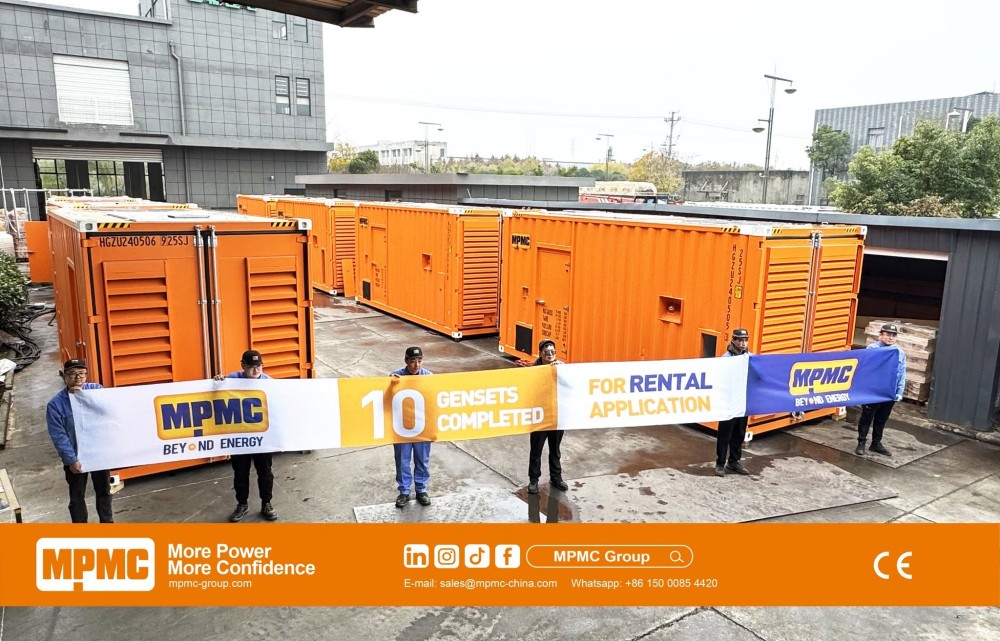 MPMC containerised generator set built for offshore oil and gas rig deployment, marine-rated and configured for continuous operation.
Marine and Coastal Corrosion Protection
The Brazil offshore deployment, containerised for marine conditions, is specified with C5 anti-corrosion coating available for the salt-air exposure an offshore rig experiences continuously, a meaningfully more demanding requirement than the C4 standard sufficient for most onshore industrial sites. A buyer evaluating an offshore or coastal oilfield supplier should confirm which coating class is actually quoted for the specific project, since a C4-rated unit installed in a marine environment can corrode considerably faster than its onshore service life would suggest.
Why Containerisation Matters Beyond Convenience on an Oilfield Site
Every unit in MPMC's oilfield range ships as a standardised ISO container — 20GP or 40HC depending on capacity — which matters for a remote oilfield project well beyond simple transport convenience, since the containerised format allows a unit to be craned directly from a supply vessel or heavy-lift truck onto a prepared pad without the extended civil works a non-containerised installation would require. For a project where every additional week of on-site construction time carries a significant day-rate cost, this containerised deployment speed is a meaningful factor in the total project timeline, not just the equipment specification.
Battery Storage as a Genset Mate for Oil & Gas Sites
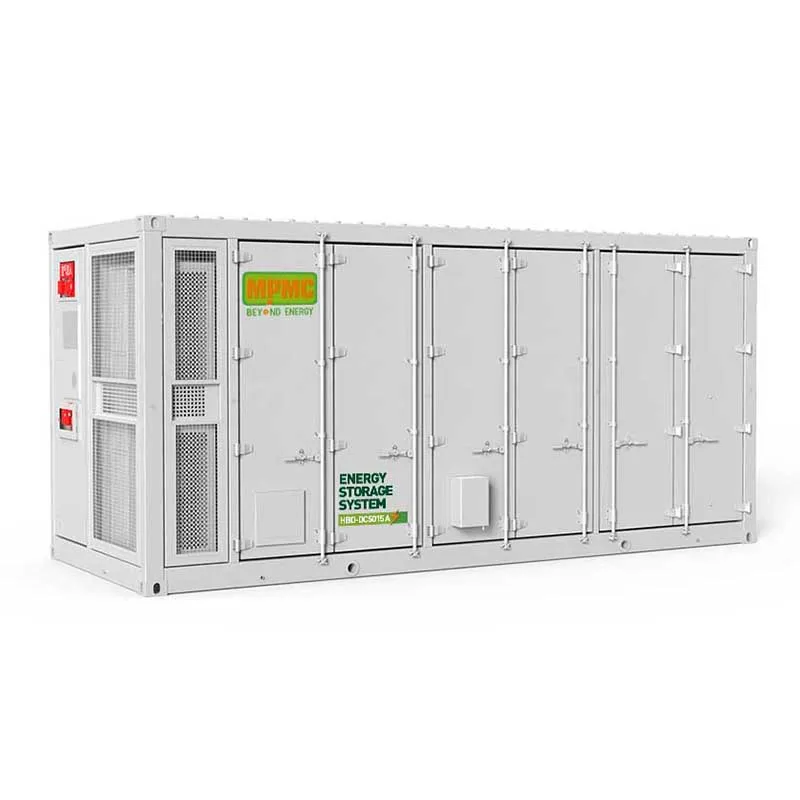
For oil and gas sites transitioning toward lower-emission operation, MPMC's HBD-R Series BESS can be integrated in parallel with existing generator sets as a "Genset Mate," performing peak shaving, transient load absorption, and selective genset shutdown during low-demand periods to reduce fuel consumption and emissions without compromising intrinsic safety requirements — supported by CE-certified aerosol fire suppression, an off-gas detector, and a water spray inlet on the larger HBD-R models. MPMC also documents a wellhead peak-shaving BESS deployment in China, combining six 250 kWh units for a 2C/500 kW total output and 3 MW aggregate capacity, demonstrating this integration specifically within Chinese upstream oil and gas infrastructure.
Verifying a Supplier for a Remote Oilfield Deployment
• Confirm the explosion-proof and intrinsic safety certifications actually apply to the specific units being quoted, not the product line generally
• Ask for the documented redundancy architecture (N+X configuration) and how master-standby rotation is managed
• Confirm the anti-corrosion coating class matches your site's actual exposure — coastal, offshore, or inland desert
• Request the fire detection and suppression system specification and its response time
• Ask whether HBD-R Genset Mate integration is available if reducing fuel consumption is a project goal
• Request a documented reference from a comparable oilfield or offshore deployment at a similar capacity
Recent Posts

October 26, 2016
The Most Successful Engineering Contractor


Contact US
Product Information
Quantity
Unit
Piece
Support order samples, customization, wholesale direct, and complete payment. If the product you look for does not have corresponding customized content, pls fill out the form below to contact us, and we will reply ASAP.