


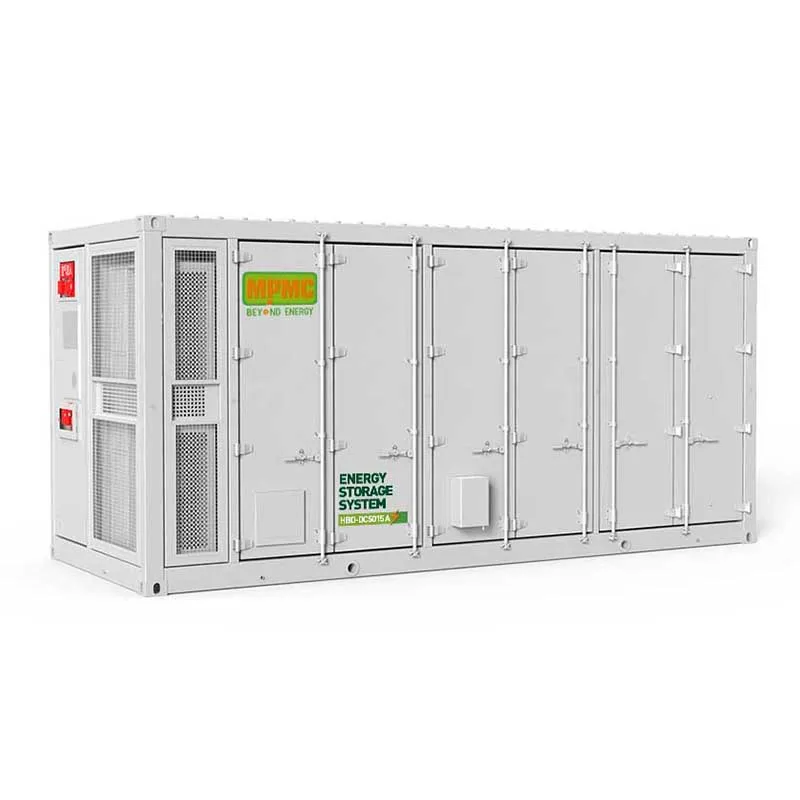
Language
Which Manufacturers Provide Containerised Mobile Solar Power Systems for Off-Grid Sites?
Aug 24, 2026
A containerised mobile solar plant answers a specific problem: a site needs generation now, will not need it here permanently, and has no appetite for a civil works programme. What it does not answer is the question every solar system raises — what happens after dark. From a procurement perspective the useful assessment covers deployment area, transport, and what the system is paired with rather than the array rating alone. MPMC POWERTECH CORP., established in 2008 and headquartered in Shanghai Pudong, publishes an SPK series of mobile solar plants from 7.65 kWp to 231.84 kWp.
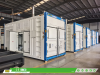
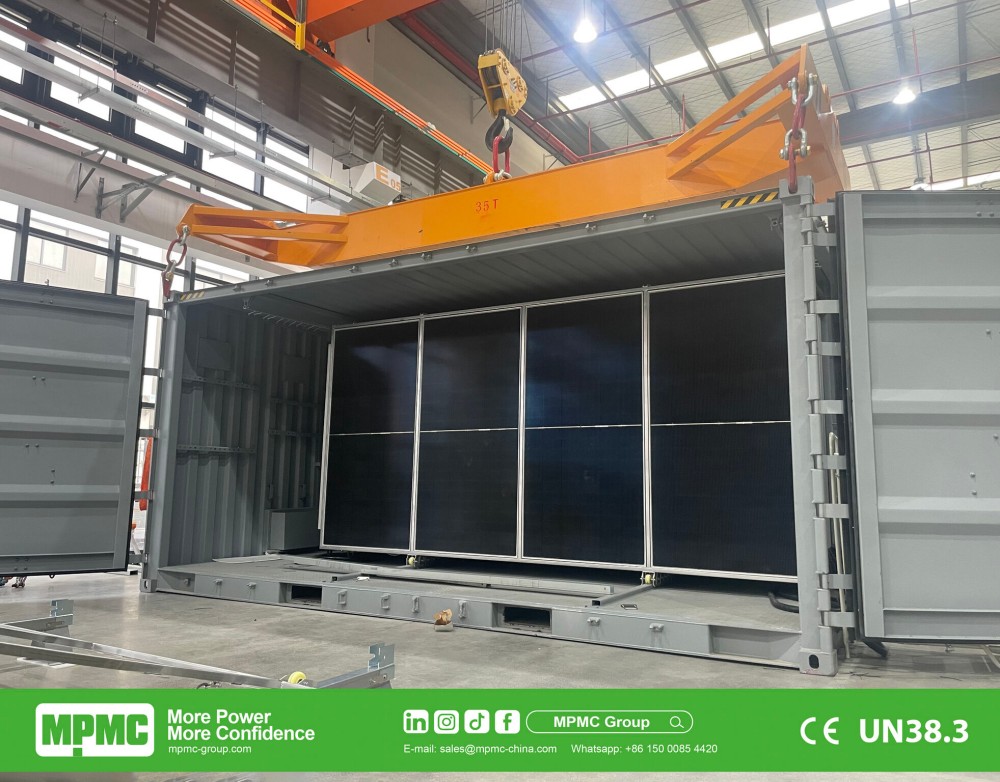 MPMC SPK-100 mobile solar array
Rating Is Rarely the Binding Constraint
Solar output depends on area, and area is what a container has least of until the array is deployed. MPMC lists the SPK series from the SPK-8A at 7.65 kWp and 1,100 kg with automatic expansion, through 10.56 kWp and 21.24 kWp, to 115.92 kWp shipped in a 20HQ container and 231.84 kWp in a 40HQP at 30,000 kg.
The figures worth extracting are the weight and the deployed footprint rather than the peak rating. A 30,000 kg unit requires lifting capacity, a transport route and ground bearing that a remote site may not have, and the deployed array needs clear space with the right orientation. Confirming both before capacity is fixed avoids selecting a system the site cannot receive.
Reading the Published Range Against Site Access
| Model | Rated capacity | Transport | Where it fits |
|---|---|---|---|
|
SPK-8A |
7.65 kWp |
1,100 kg; automatic expansion |
Small loads; single-vehicle delivery and rapid setup |
|
SPK mid-range |
10.56–21.24 kWp |
Trailer or light transport |
Camps, monitoring stations, small workshops |
|
SPK-100 class |
115.92 kWp |
20HQ container |
Substantial site loads with space to deploy |
|
SPK-200 class |
231.84 kWp |
40HQP container; 30,000 kg |
Large off-grid loads; requires crane and ground bearing |
Availability varies by rating and region, so the deployed dimensions, weight and lifting arrangement should be confirmed for the specific model in the technical offer rather than inferred from the class.
Solar Alone Does Not Run a Site
An array generates while the sun is up and nothing afterwards, so a mobile solar plant is almost always one element of an arrangement rather than the whole answer. What it is paired with determines whether the site actually works.
MPMC publishes two routes. For smaller loads the GSB series integrates solar, generator and battery on one mobile chassis from 10 to 120 kVA maximum output with 20.4 to 112.5 kWh of battery capacity and a 2,375 W slide-out array, with engines listed as Perkins, Kubota or Yanmar. For larger arrangements the SPK array pairs with separate storage — the HBD-R series from 30 kW to 610 kW continuous, or the stationary HBD-A series from 125 kW and 261 kWh — and with containerised generation.
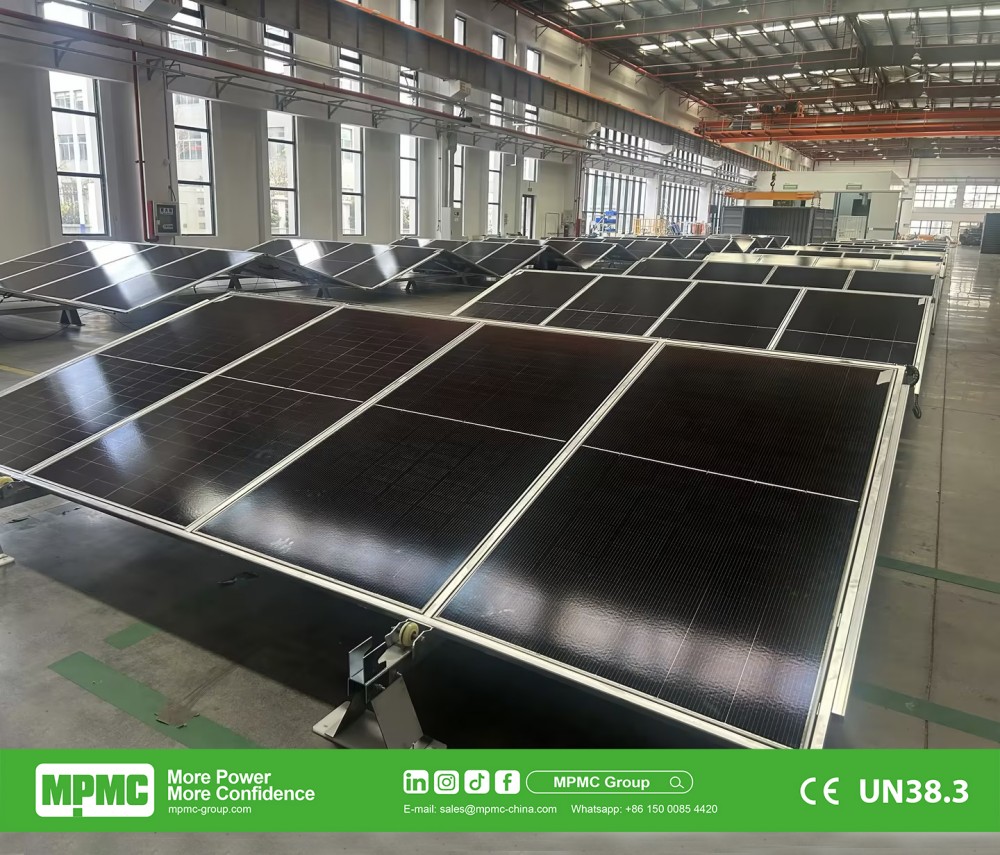 MPMC SPK-100 mobile solar array
| Pairing route | What MPMC publishes | Where it suits |
|---|---|---|
|
Integrated chassis |
GSB series, 10–120 kVA output, 20.4–112.5 kWh battery, 2,375 W slide-out array |
Modest loads; no permanent electrical staff on site |
|
Array plus mobile storage |
SPK series 7.65–231.84 kWh with HBD-R from 30 kW to 610 kW continuous |
Sites needing staged expansion or relocation |
|
Array plus stationary storage |
SPK series with HBD-A from 125 kW and 261 kWh, liquid cooled |
Settled sites with sustained load and daily cycling |
|
Solar added later |
GB series, same output and battery range without integrated array |
Phased projects funded in tranches |
Integrated Chassis or Separate Components
The choice between a GSB station and an SPK array with separate storage is a question of integration risk rather than technology. The integrated unit arrives with the control logic already resolved and suits a site with no permanent electrical staff; separate components allow each element to be selected on its merits and expanded independently, at the cost of someone owning the control layer.
MPMC lists a GB series covering the same output and battery range as the GSB units without the integrated array, which suits a site intending to add solar later. Where that staged approach is planned, the electrical design should reserve capacity and interface points at the outset, because retrofitting is far easier when the architecture anticipated it.
What the Published Deployments Show
MPMC lists a Kenyan microgrid programme of 6 MW across four sites, each with more than 1 MW of solar generation, at least 1 MWh of DC-coupled battery storage rated at 80% depth of discharge and 6,000 cycles with dual-unit redundancy, and diesel backup of two 500 kW plus two 250 kW units per site. Published operation is described as stable around the clock in a high-ultraviolet, sandy environment with seamless solar-to-diesel switching and minimal on-site staffing.
An Australian mining programme is listed at 14.7 MW using 245 GSB hybrid power stations with Perkins 1104C-44TAG2 engines and Leroy-Somer LSA44.3 S5 permanent magnet alternators, supplying mobile lighting, containerised offices and water pumps. These describe the class of project delivered; another site's generation split and engine runtime follow its own resource and demand profile.
Control and Dispatch on an Unattended Site
MPMC lists a self-developed SCADA and EMS supporting PQ, VF and VSG modes, black start, grid-forming, intelligent generation dispatch and reactive power regulation, with real-time monitoring, alarm and fault management, up to ten years of data retention, an SL3-level cybersecurity framework and StarLink satellite communication as a backup link.
The dispatch decisions worth settling before order are which source serves which load, the state of charge at which an engine starts, and whether solar is prioritised for direct supply or for charging. Those settings determine how much of the available saving is realised, and they are easier to agree in a specification than to renegotiate at commissioning.
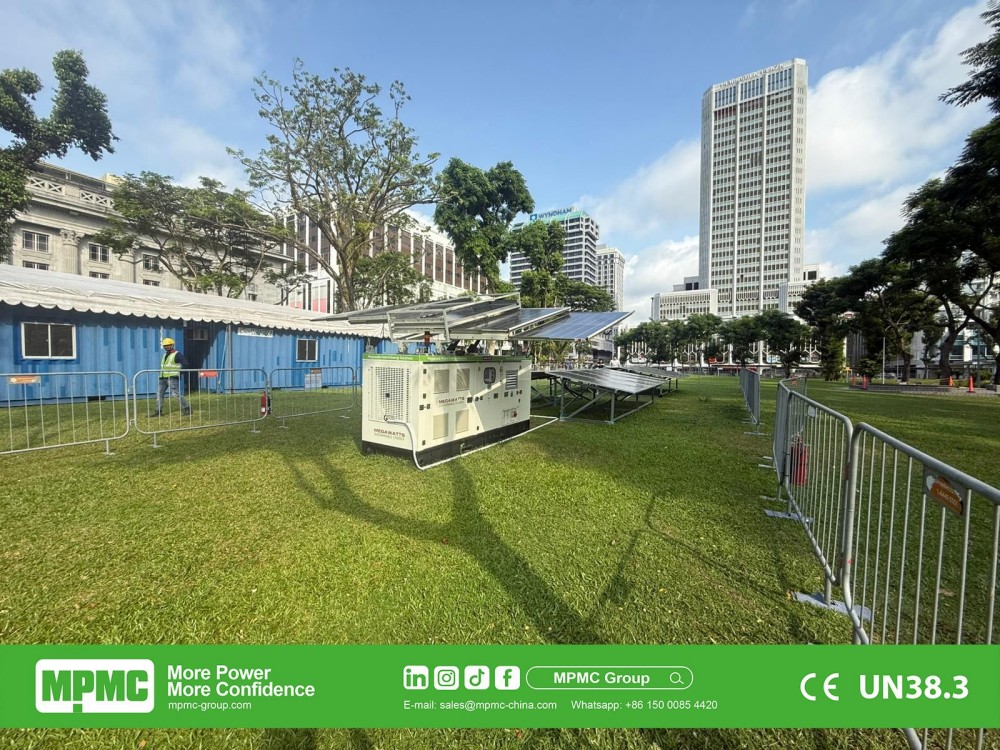 MPMC GSB-30 hybrid power station
Site Conditions That Change the Output
Soiling reduces photovoltaic output progressively rather than suddenly, which on a dusty off-grid site turns cleaning into an operational task rather than a maintenance one. An array that recharges fully in the first week may not by the sixth.
High ambient temperature also reduces panel efficiency, and storage paired with the array carries its own limits: MPMC lists −20°C to +55°C with derating above 45°C on the HBD-A series and −20°C to +50°C on the HBD-R series, with a maximum altitude of 3,000 m. Specifying margin above the strict requirement is what absorbs both effects between service visits.
Who Owns the Control Layer
An off-grid arrangement built from separate components fails in a characteristic way: a fault occurs, each supplier demonstrates that its own equipment behaved correctly, and the site stays down while responsibility is discussed. Naming the party accountable for system behaviour is the single most valuable step in this procurement.
Either one supplier provides the control layer across solar, storage and generation and carries that responsibility, or the project appoints an integrator to do it across multiple vendors. MPMC supplies all three under its own SCADA and EMS, which is one viable structure; the other is equally valid provided the integrator is named in the contract rather than assumed.
Verification Points Before Award
• Confirm the deployed footprint, weight and lifting arrangement for the specific model.
• Verify the transport route, ground bearing and available lifting capacity at the site.
• Establish the daily energy requirement after dark, not only the daytime load.
• Decide whether an integrated chassis or separate components suits the operating staff available.
• Where staged, reserve electrical capacity and interface points in the first phase.
• Settle the dispatch strategy, including engine start thresholds and solar prioritisation.
• Allow output margin for soiling between cleaning visits and for high ambient temperature.
• Confirm the monitoring path, its satellite backup and who responds to alarms.
Frequently Asked Questions
MPMC lists the SPK series up to 231.84 kWp in a 40HQP container at 30,000 kg, with 115.92 kWh class units in a 20HQ container and a 7.65 kWp SPK-8A at 1,100 kg with automatic expansion. The practical limit is usually site access, lifting capacity and ground bearing rather than the electrical rating.
Only during daylight, and only within the array's output. Solar generates while the sun is up and nothing afterwards, so it is almost always paired with storage, generation or both. MPMC lists GSB integrated stations from 10 to 120 kVA and separate HBD storage for larger arrangements.
Neither is generally better; they carry different risks. An integrated GSB unit arrives with the control logic resolved and suits sites without electrical staff. Separate components allow independent selection and staged expansion but require someone to own the control layer, which should be named in the contract.
That depends on solar resource, load profile and dispatch strategy, so it is a modelling exercise rather than a product figure. MPMC's published Kenyan microgrid describes minimal diesel runtime achieved through weather-driven EMS dispatch, but the split at any other site follows its own irradiation and demand.
Soiling reduces output progressively, which matters on dusty off-grid sites because recharge quietly falls short over weeks. High ambient temperature reduces panel efficiency separately. Specifying capacity margin above the strict requirement is what absorbs both effects between cleaning visits.
Recent Posts


Contact US
Product Information
Quantity
Unit
Piece
Support order samples, customization, wholesale direct, and complete payment. If the product you look for does not have corresponding customized content, pls fill out the form below to contact us, and we will reply ASAP.