



Language
A 260 kWh Battery Energy Storage System for C&I Sites: Choosing the HBD-125-260 Version and Scaling It Up
Nov 16, 2026
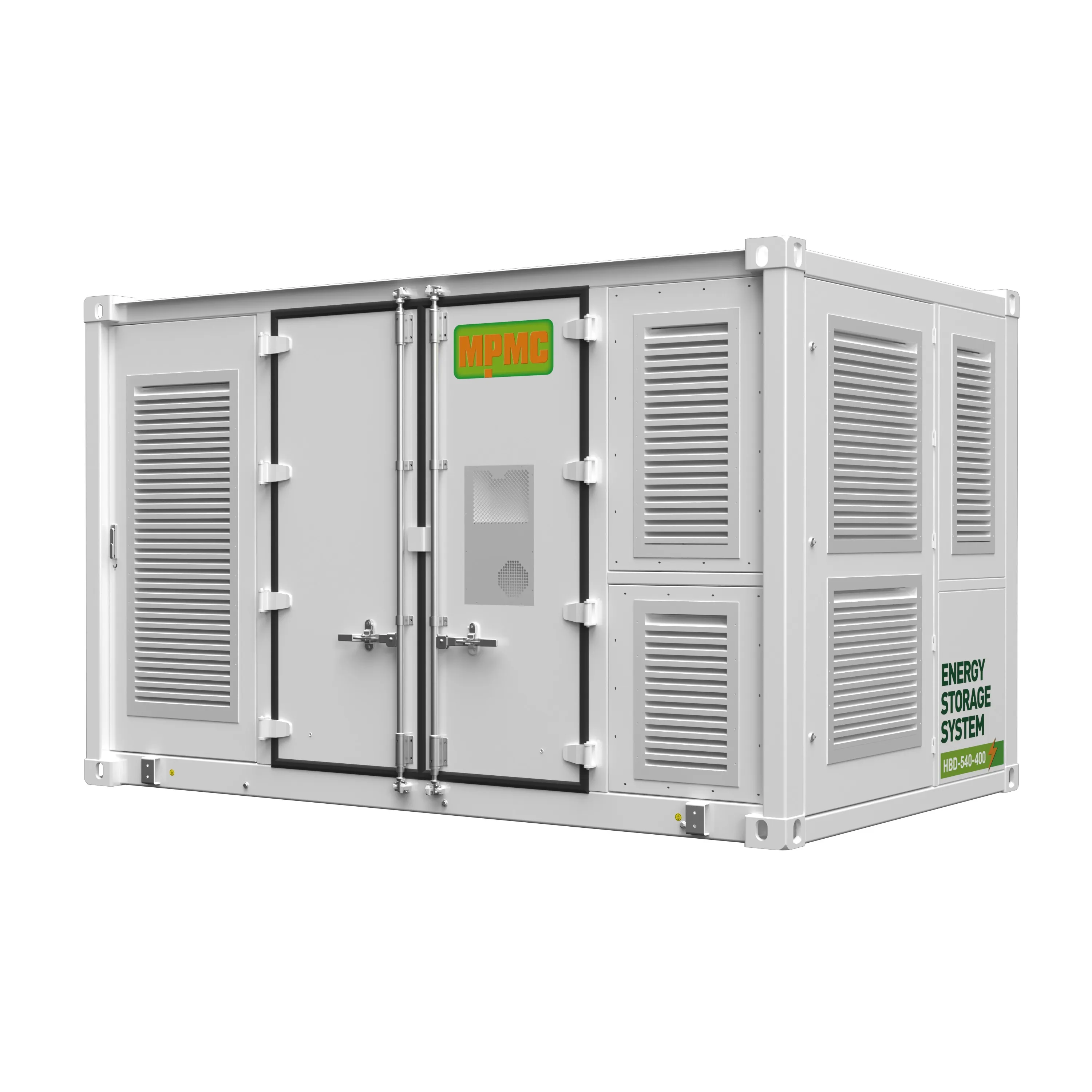
A battery of around 260 kWh is a practical building block for commercial and industrial sites. At 125 kW it delivers full power for roughly two hours, enough to cover an afternoon demand peak, carry critical loads through an interruption or hold a midday surplus from rooftop solar for the evening. MPMC builds this rating as the HBD-125-260 in two versions: a liquid-cooled HBD-A unit for grid-connected C&I duty and an all-in-one HBD-E unit with built-in PV input. MPMC POWERTECH CORP. (MPMC), founded in 2008 and headquartered in Shanghai, manufactures its storage systems at its Yangzhong energy technology base and has recently exported 12 HBD-125-260 units to Oman.
Why 125 kW / 261 kWh Works for C&I Sites
A two-hour ratio of energy to power matches the way many commercial loads peak: a building's air conditioning in the afternoon, a factory's shift start or a cold store's evening demand. The same capacity gives a meaningful reserve for backup. Both versions use LFP 314Ah cells in a cabinet format, so the system can stand beside a switchroom or plant building, and both work under MPMC's own EMS.
Two Versions of the Same Rating
HBD-A HBD-125-260 for Grid-Connected Duty
The HBD-A version stores 261 kWh, is liquid-cooled and is rated for 8,000 cycles at 90% depth of discharge. It runs at 400 Vac three-phase, operates from -20°C to +55°C at altitudes up to 3,000 m, carries IP54 system and IP67 battery-pack protection and uses aerosol fire suppression. It integrates with external PV inverters and ATS, switches between on-grid and off-grid operation, and supports PQ, VF, VSG, black start and grid-forming modes for sites that need grid services or microgrid capability.
HBD-E HBD-125-260 With Solar Input
The HBD-E version is an all-in-one cabinet: inverter, PCS and EMS are built in, and up to 250 kWp of solar connects straight to its MPPT inputs. Capacity is 261.2 kWh, with HVLC cooling, CE and CEC certification and IP54 protection. A 150% overload capability for 10 seconds covers motor and compressor starts, cycle life is 6,000 cycles at 90% depth of discharge, and operators control the system by app or PC over 4G, 5G or WiFi, with the open ESS Link protocol available for custom EMS integration.
Table 1. The two HBD-125-260 versions compared
| Feature | HBD-A HBD-125-260 | HBD-E HBD-125-260 |
|---|---|---|
|
Rated power |
125 kW |
125 kW |
|
Capacity |
261 kWh |
261.2 kWh |
|
Cooling |
Liquid |
HVLC |
|
Cycle life at 90% DOD |
8,000 cycles |
6,000 cycles |
|
Solar connection |
External PV inverter |
Built-in, up to 250 kWp |
|
Control functions |
On/off-grid switching; PQ, VF, VSG, black start, grid-forming |
On/off-grid switching; app or PC control over 4G, 5G or WiFi |
|
Protection |
IP54 system, IP67 battery pack |
IP54; CE and CEC certified |
|
Best suited to |
Grid-connected peak shaving and microgrids |
Solar-plus-storage sites and backup |
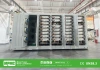
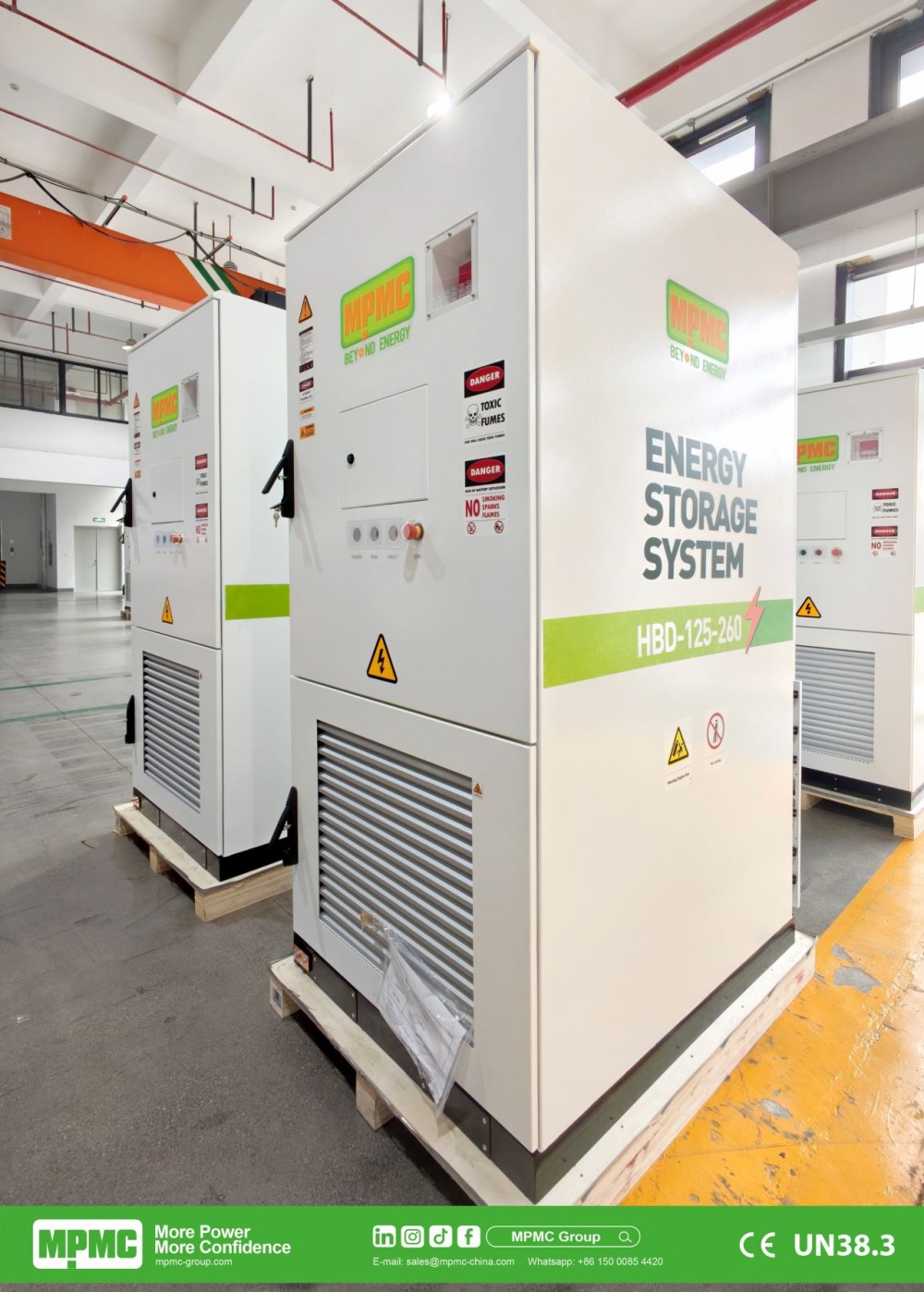 MPMC HBD-125-260 battery energy storage system, rated 125 kW and 261 kWh.
Five Jobs for a 260 kWh Battery
One battery can carry out several jobs in the same day, each scheduled by MPMC's EMS.
Peak Shaving
The EMS charges the battery off-peak and discharges it when demand climbs, reducing the maximum kilowatts billed by the utility month after month. At 125 kW, one unit takes a useful slice from a commercial building's peak.
Solar Self-Consumption
Midday surplus from rooftop PV is stored for the evening, and weather-forecast-based scheduling plans each day's charging, helping sites raise PV self-consumption above 90%. The HBD-E version takes the PV directly, without a separate inverter.
Backup for Critical Loads
When the grid supply is interrupted, the system switches to off-grid operation and keeps lighting, IT, refrigeration and security running from stored energy.
Generator Set Support
On sites with generator sets, the battery takes peaks and smooths load fluctuations, so the engines run at an efficient load point and for fewer hours. MPMC's Dubai batching stations show the principle at larger scale, where HBD-500-1000 storage working with generator sets cut OPEX by about 20%.
Microgrid and Grid Services
The HBD-A version's VSG, grid-forming and black start functions let a group of units stabilise a site microgrid or provide frequency regulation, the same functions MPMC's EMS uses across its four-site microgrid in Kenya.
Scaling From One Cabinet to Megawatt-Hours
Because the HBD-125-260 is a standard block, capacity grows by adding units under one EMS, in stages if tariffs, loads or solar capacity change. Two units give 250 kW and 522 kWh, four give 500 kW and 1,044 kWh, and the 12 units exported to Oman together provide 1,500 kW and 3,132 kWh. In the Netherlands, a 3.2 MWh grid-connected peak-shaving system combines HBD-A version 125 kW / 260 kWh and HBD-R version 100 kW / 200 kWh units. When a site needs larger blocks, the HBD-A range continues with the HBD-500-1000 at 500 kW / 1,045 kWh and the HBD-1000-2000 at 1,125 kW / 2,170 kWh.
Table 2. Scaling the HBD-125-260 (HBD-A figures)
| Configuration | Power | Energy | Suits |
|---|---|---|---|
|
1 unit |
125 kW |
261 kWh |
Shops, clinics and single production lines |
|
2 units |
250 kW |
522 kWh |
Office buildings and cold stores |
|
4 units |
500 kW |
1,044 kWh |
Shopping centres and factories |
|
12 units (export to Oman) |
1,500 kW |
3,132 kWh |
Large C&I storage projects |
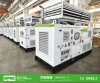
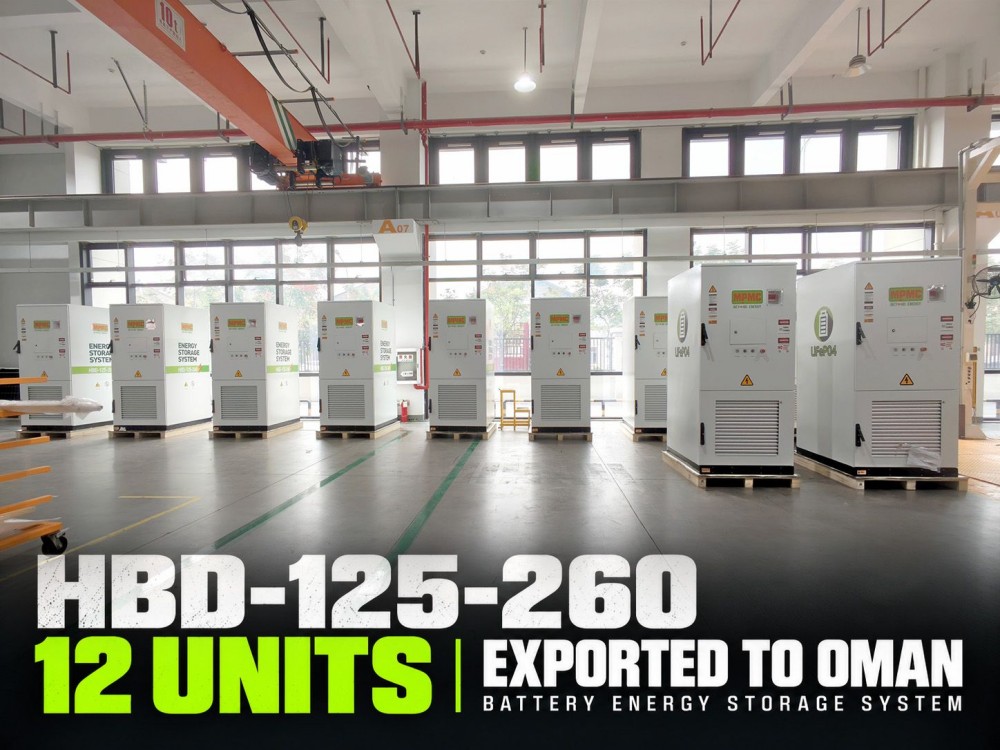 Twelve MPMC HBD-125-260 battery energy storage systems exported to Oman.
Installing and Connecting the System
Both versions connect to a standard 400 V three-phase supply. The HBD-A version switches between on-grid and off-grid operation with a brief transfer by default and seamless switching available as an option, and works alongside external PV inverters and an ATS. The HBD-E version takes PV strings directly through MPPT configurations of up to 10 x 2 inputs, so the inverter, battery and controls arrive as one unit. For sites with generator sets, both versions can be coordinated with the engines through MPMC's EMS, and for sites that later grow, additional units join the same control system.
Typical first projects include retail and office buildings that want to shave afternoon peaks, clinics and supermarkets that need dependable backup for refrigeration and medical equipment, small factories in regions where grid supply varies, and sites with rooftop solar that want to use more of their own generation.
Warranty, Monitoring and Support
HBD-A and HBD-E systems carry a 5-year or 2.2 MWh per kWh product warranty and a 10-year or 4.3 MWh per kWh battery performance warranty, with at least 70% capacity retention at end of life. MPMC's SCADA provides real-time monitoring, automated monthly and annual reports and ten years of data retention under an SL3-level cybersecurity framework, and MPMC supports projects with remote diagnostics and on-site commissioning.
Specifying a 260 kWh C&I Battery With MPMC
• Review twelve months of interval demand data
• Identify the peaks, interruptions and solar surplus to target
• Choose the HBD-A or HBD-E version
• Decide the number of units and the growth path
• Confirm PV, generator set and switchboard connections
• Set the backup reserve and the peak-shaving schedule
• Agree monitoring, reporting and commissioning
• Contact MPMC at sales@mpmc-china.com or WhatsApp +86 150 0085 4420 for a 260 kWh storage proposal
Frequently Asked Questions
About two hours at its full 125 kW rating, and correspondingly longer at lower loads. A site that needs a longer duration can step up to the HBD-250-1000, which stores 1,045 kWh for about four hours at 250 kW.
The HBD-E version connects up to 250 kWp of PV directly. The HBD-A version works with external PV inverters and suits grid-connected duty that calls for grid-forming functions.
Yes. Each additional unit adds 125 kW and 261 kWh under one EMS, as in the 12-unit export to Oman and the 3.2 MWh Netherlands peak-shaving system.
Yes. Both versions switch to off-grid operation and supply critical loads from stored energy.
LFP chemistry, aerosol fire suppression as standard, anti-electric shock protection on the HBD-E and IP-rated enclosures on both versions.
Recent Posts



Contact US
Product Information
Quantity
Unit
Piece
Support order samples, customization, wholesale direct, and complete payment. If the product you look for does not have corresponding customized content, pls fill out the form below to contact us, and we will reply ASAP.